Citizen scientists maintain dolphin vigilance amid bird flu threat
Throughout the algal bloom crisis, citizen scientists off the coast of South Australia helped with research. Now, with deadly bird flu impacting wildlife, they are taking to the ocean to keep watch.
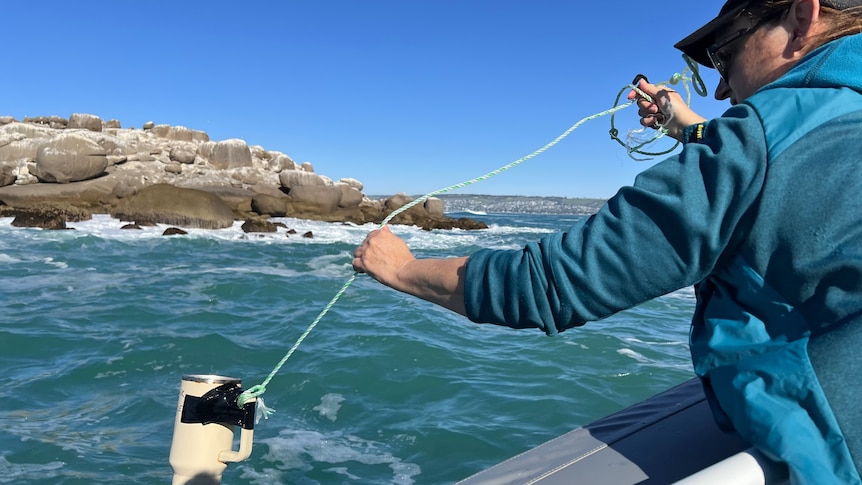
Citizen scientists are maintaining vigilance in the marine environment surrounding the Fleurieu Peninsula on South Australia's coast. They collect water samples, wildlife behavior, and other data to assist researchers. Locals are awaiting confirmation as to whether a sea lion found near a suspected bird flu case has died of the virus.
During a boat trip to observe dolphins in Victor Harbor on Saturday morning, a group of citizen scientists joined a group of tourists. They routinely gather samples, data, and observations that have proven invaluable for researching South Australia's harmful algal bloom. In addition to monitoring the water, they are now keeping watch on wildlife for potential bird flu signs following the first confirmed Australian case in a dolphin near Goolwa Beach and a possible case in a sea lion in Victor Harbor.
Nedra Haines has been observing her beloved dolphins for 14 years as part of the Victor Harbor Dolphin Watch Group. She contributed to compiling their catalog of 140 bottlenose dolphins and 50 common dolphins, identifying them through the shape and markings of their dorsal fins. The data collected on each dolphin and their environment is contributed to the state government's biological database of South Australia.
While the days of the harmful algal bloom have been disheartening, Haines has diligently recorded any skin irritation signs in the dolphins. Currently, there are no signs of neurological defects in the dolphins, and they are displaying playful behavior such as tail slapping, curiosity, and seaweed carrying, which can be used to attract a mate.
Samantha Sea represents Phytoplankton of South Australia, formed in response to the lack of public data during the early days of the algal bloom. Hailing from a physics background, she began attending community-led meetings after the bloom appeared, asking how she could help. She has since studied hundreds of samples, learning to identify algae and other phytoplankton.
Sea and her fellow volunteers' data are now being utilized by researchers and government agencies. Recently, the group was awarded the title of South Australian Citizen Science Champions for 2026. Despite currently observing low levels of the Karenia algal species responsible for the harmful algal bloom, constant monitoring remains crucial, as the team emphasizes their limited understanding of the ocean.
Written by urgent.news from ABC News AU's reporting — not their text. Machine-written — may contain errors; check the original before relying on it.