China tightens travel restrictions on its own citizens amid AI race with US
China has imposed travel restrictions on its citizens, including exit bans on those deemed to endanger the country's "industrial or technological security".
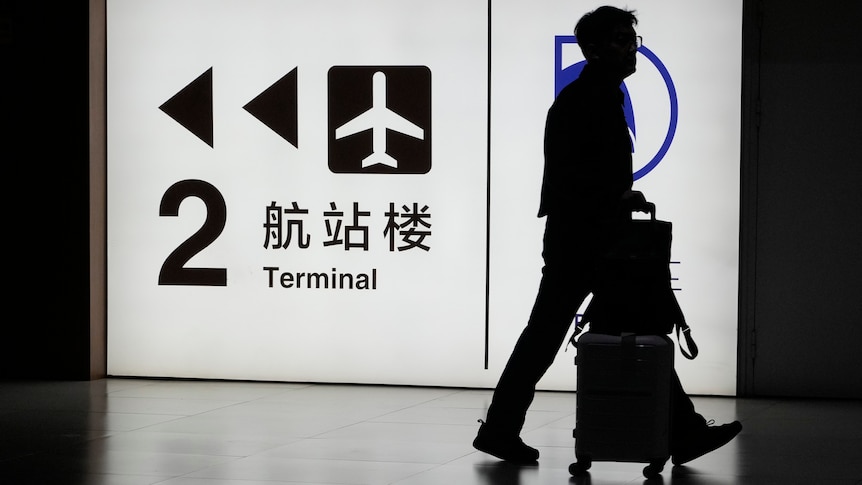
New regulations in China now allow the government to impose travel bans on citizens who are believed to have violated security or technology export rules. This move comes during heightened competition with the United States in artificial intelligence and other emerging sectors. Experts caution that the broad language of these rules grants China significant discretion in their application.
China has implemented strict travel restrictions for its citizens, including exit bans for those considered to pose a threat to the country's industrial or technological security. The new border control rules, which began on Tuesday, form part of a wider overhaul of border regulations, reflecting the government's growing concerns about technology export at a time of increasing competition with the US in areas like artificial intelligence.
According to China's State Council, the regulation's primary purpose is to safeguard national sovereignty, security, and development interests. If a citizen engages in illegal or criminal activities abroad that endanger national security, they could be barred from leaving China for six months to three years. Similarly, individuals who breach technology export or import regulations may face travel bans if their actions endanger industrial or technological security.
The regulations also include provisions that could ban foreigners from entering China for one to five years if they provide false information in a visa application or at the port of entry. Additionally, the rules aim to prevent citizens from being deceived into traveling abroad and subsequently participating in illegal gambling or phone scam operations, issues that have become prevalent in recent years.
The Cyberspace Administration of China, responsible for monitoring online discussions, sought to allay concerns that the new rules would make travel more difficult. The agency emphasized that the measures target individuals engaged in illegal cross-border activities, not ordinary citizens with legitimate reasons to travel abroad.
Analysts have warned that the travel restrictions provide China with a wide-ranging authority. Chong Ja Ian, a researcher from the National University of Singapore, explained to AFP that security and criminal activities can be vaguely defined and easily adjusted. He pointed out that the outside world will only know how the government applies this remit following the implementation of cases.
The case of US citizen Min Zin is a prime example of the potential reach of these rules. In June, Min Zin was taken into Chinese custody in Yunnan province and subsequently held improperly. China denied these allegations, stating that Min Zin was suspected of violating Chinese law. This incident highlights the broad spectrum of people China could restrict from exiting the country, potentially leading to arbitrary decisions.
Dylan Loh, an associate professor at Singapore's Nanyang Technological University, noted that the travel restrictions send a clear message that China will take action to prevent leaks in security or sensitive areas. A consultancy firm specializing in Chinese policy trends, Trivium, stated that these new regulations are a further indication of China's serious commitment to preventing the transfer of key technology and technical knowledge.
In recent months, China has clashed with the United States over tech issues, including the blocking of Meta's acquisition of artificial intelligence startup Manus. Despite Manus being a Singaporean company with Chinese roots, the deal raised concerns among Chinese authorities about the transfer of advanced technology.
Written by urgent.news from ABC News AU's reporting — not their text. Machine-written — may contain errors; check the original before relying on it.