Canada will be ‘stronger, more resilient, more independent’ after US trade war: Carney
Canada aims for economic resilience and independence from trade disputes. New tax incentives will encourage private investment in Canadian businesses. The nation is also seeking deeper economic ties with the European Union. This strategy aims to reduce dependence on the United States market. Canada remains open to future mutually beneficial agreements with Washington.
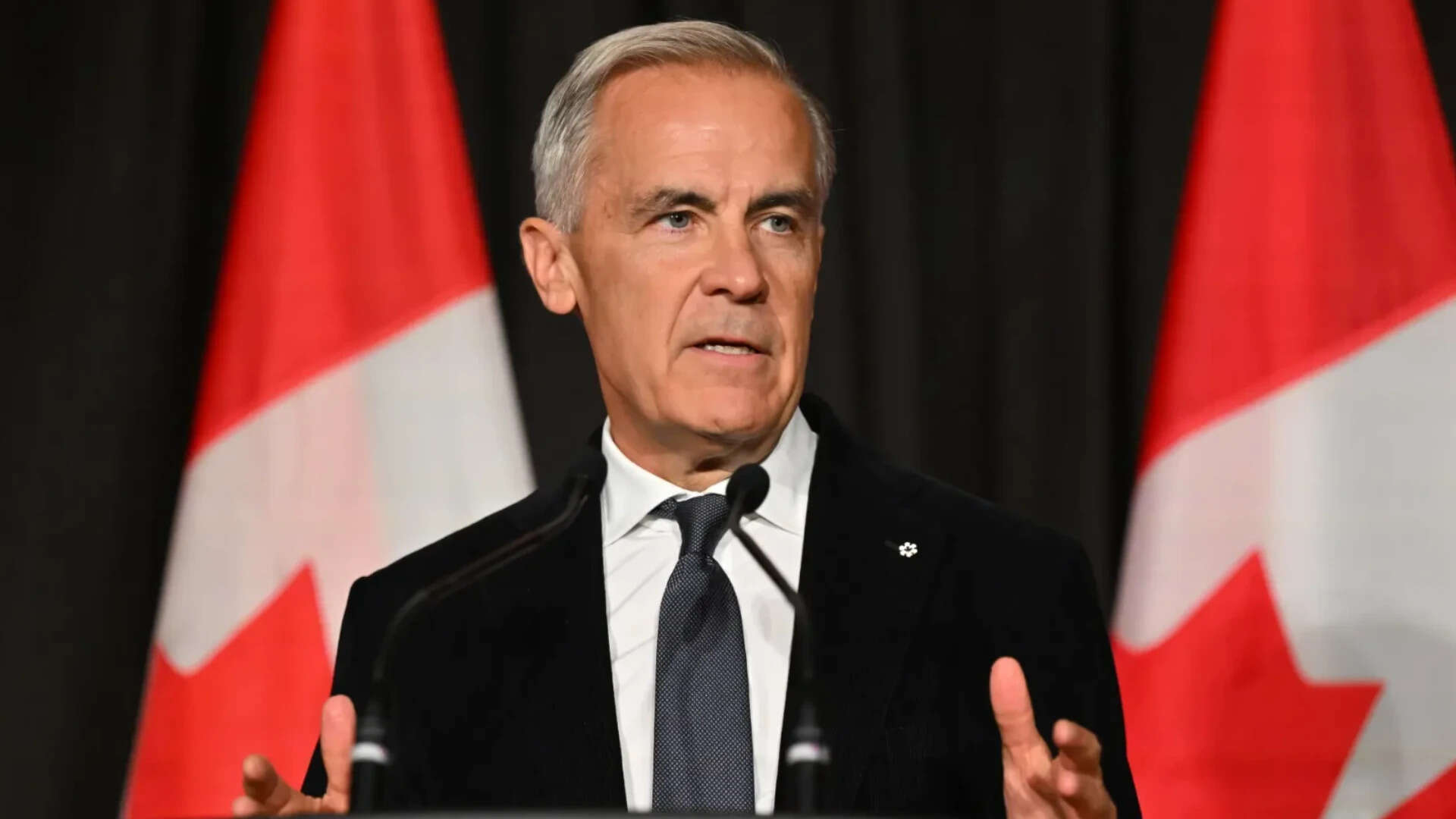
Prime Minister Mark Carney spoke at the Canada Investment Summit, highlighting Canada's intention to forge a "unique security and economic alliance" with Europe amidst the US trade dispute, positioning the country as a hub for foreign capital in the evolving global economic landscape. Carney positioned Canada as a "safe harbour" and lucrative destination for capital, as his government seeks to lessen its reliance on trade with the US.
The US relationship has deteriorated over the past 18 months, prompting Canada to seek ways to prevent economic decline. Carney emphasized that the world is becoming more divided and dangerous, noting that sovereignty and openness are in tension, and that economic integration is being weaponized through tariffs as leverage. He recognized the rupture earlier than most and outlined two key lessons: taking care of themselves and taking care of each other, which involves building domestic strength and diversifying partnerships abroad.
While Carney has referred to the trade dispute as a "war," there is optimism among senior Canadian officials that Canada's global outlook could attract hundreds of billions in fresh investment. Canada is the only non-European member of the EU's defense procurement initiative, and Carney's government is pursuing a unique relationship with the bloc, including potential visa-free travel and work opportunities.
Carney will attend the European parliament's plenary meeting in Strasbourg and the EU Commission President Ursula von der Leyen's annual state of the union speech. The EU aims to enhance ties on raw materials, energy, and cooperation on defense and artificial intelligence, with Canadian officials urging faster ratification of the EU-Canada Comprehensive Economic and Trade Agreement (Ceta).
Despite the EU-Canada trade reaching €130bn in 2025, nearly doubling since 2016, it is significantly lower than the US trade of nearly US$880bn, and Canada acknowledges its continued dependence on the US as its primary trading partner.
Written by urgent.news from Guardian Business's reporting — not their text. Machine-written — may contain errors; check the original before relying on it.
This story
This is one outlet's version. Read the fullest account.