Astrophysics study suggests Venus may have swallowed its moon
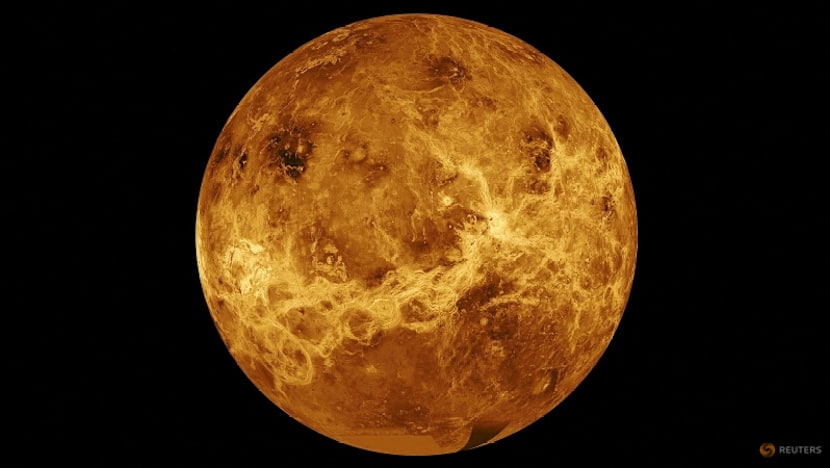
A California astrophysicist has proposed a new theory about why Venus, Earth's planetary doppelganger, lacks a moon. According to Stephen Krane of the University of California, Riverside, the planet's exceptionally slow rotation could have led to any potential moon spiraling inward and being swallowed by Venus in a catastrophic collision.
Prior theories suggested Venus either never formed a moon or had one destroyed by a massive impact. Krane's research, published in The Astrophysical Journal, proposes that any Venusian moon would have been consumed within the first billion years of the planet's existence, around 4.5 billion years ago. The UC Riverside study attributed Venus's lack of a moon to differences in rotational speed compared to Earth, which rotates about 200 times faster than Venus.
On Earth, the moon gradually moves away at a rate of 4 centimeters per year due to the planet's rapid spin, while Venus's slower rotation would have pulled any moon closer to the planet. While there is no concrete evidence of a Venusian moon, Krane suggests that the inner solar system's early history, filled with frequent collisions between proto-planets, likely prevented Venus from retaining any moon.
NASA plans to send two missions, DAVINCI+ and VERITAS, in the coming years to gather more information about Venus's atmosphere and surface.
Written by urgent.news from Channel News Asia's reporting — not their text. Machine-written — may contain errors; check the original before relying on it.
Also reported by 2 other outlets
- Astrophysics study suggests Venus may have swallowed its moon channelnewsasia.com
- Crescent moon aligns with Venus in Saudi skies english.ajel.sa