America is building datacenters faster than the grid can power them
Meeting expected energy consumption through 2030 will require $110 billion in new generation resources
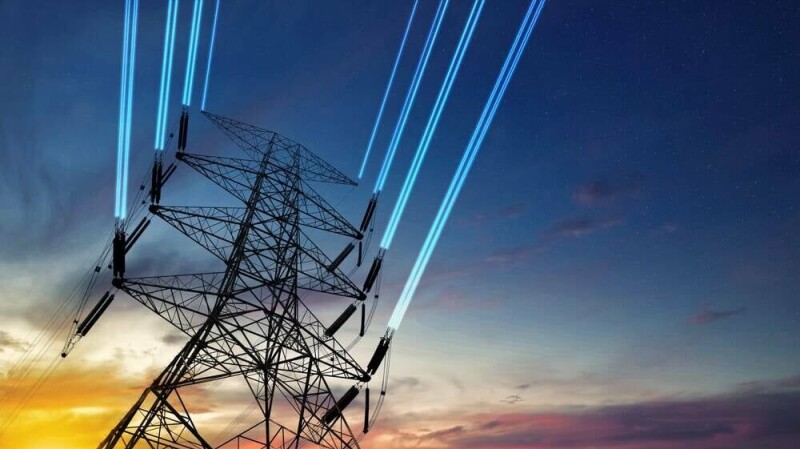
Moody's Financial Services has warned that the rapid construction of datacenters in the United States is outpacing the nation's grid infrastructure, creating a significant constraint on growth. The epicenter of this boom is driven by the artificial intelligence (AI) craze and rising demand for compute capacity to train larger foundation models.
By 2030, the power required by these datacenters could reach 426 terawatt-hours (TWh), nearly double the 2025 figure, according to Moody's estimates based on International Energy Agency (IEA) data. To meet this additional demand, the power sector must develop new resources, which will cost around $110 billion and add $25 billion to $30 billion annually to electricity system costs.
However, the development of this extra generation capacity faces hurdles such as lengthy permitting processes and long lead times for key equipment and materials, causing delays of up to seven years in some cases. Despite these challenges, grid investment totaling $80 billion to $115 billion through 2030 is already approved or under construction across US power markets, with potential for tripling over the next decade.
Regions like Texas, which can accelerate development, have seen a surge in datacenter construction, putting pressure on local grids. Some authorities have responded by limiting new connections for these facilities. While many datacenter operators still seek grid connections to minimize development costs and improve reliability, alternatives like on-site behind-the-meter (BTM) power generation are also being pursued to avoid delays.
The growing energy demands from server farms are also raising electricity prices and customer bills in some regions, leading to affordability concerns and opposition to datacenters. This has prompted measures such as stricter approval frameworks and moratoriums on new projects. Moody's believes that, in the long term, large-scale infrastructure investment will strengthen grid reliability and affordability, despite the risks.
Written by urgent.news from The Register Science's reporting — not their text. Machine-written — may contain errors; check the original before relying on it.