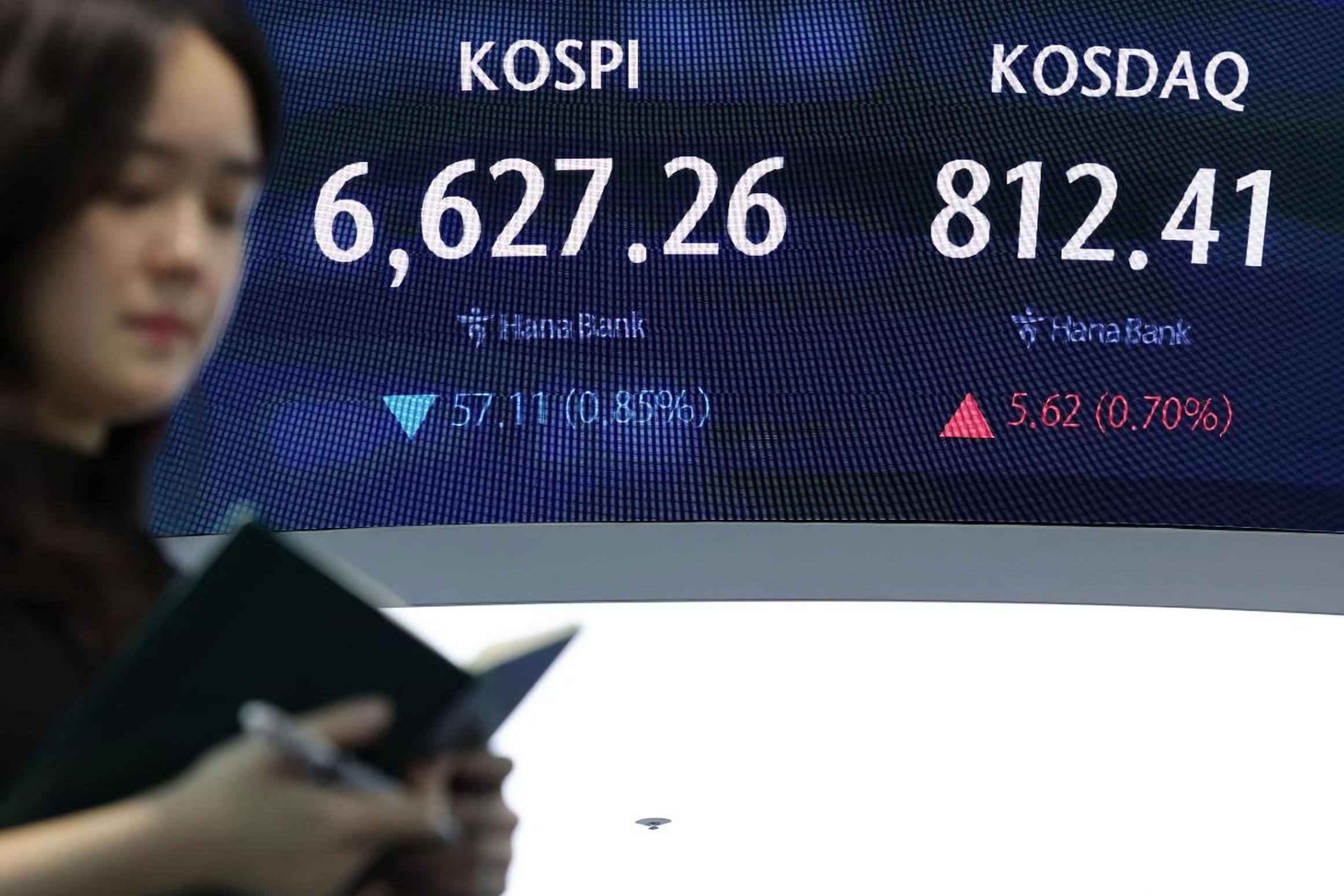
5.03%: US 10-year Treasury Yields hit fresh highs in over 19 years
United States (US) 10-year Treasury Yields have hit a fresh high of 5.03%, the level never seen in a little over 19 years. Higher yields on US bonds indicate rising interest obligations for the government, which generally leads to significant bond-buying operations by the administration.
The United States 10-year Treasury Yields have reached a record high of 5.03%, an unprecedented level not witnessed in over 19 years. This surge in yields is a result of rising interest obligations for the government, leading to extensive bond-buying operations by the administration. The situation is further exacerbated by elevated oil prices, which have heightened inflation expectations.
The Middle East war has contributed to the rise in oil prices, while concerns over prolonged energy supply disruptions have further fueled this trend.
Inflationary pressures worldwide have compelled central banks to tighten their monetary conditions. The European Central Bank (ECB) has already increased its policy rates by 25 basis points (bps), and the Federal Reserve (Fed) is expected to follow suit, raising interest rates by 25 bps to 3.75%-4.00% on Wednesday. Market experts, including strategists at BNY, predict that the Federal Open Market Committee (FOMC) will implement a 25bp rate hike this Wednesday, following the current market probabilities, which indicate an 90% likelihood of such action.
While the Federal Reserve (Fed) anticipates a series of rate hikes, strategists caution that the path to even higher policy rates may face significant impediments. They believe that the nearly 100bp of hikes, equivalent to four increments of the standard 25bp, will ultimately materialize. However, they caution that these yields may be ahead of their time and not yet sustainable in the long run.
The Federal Reserve (Fed) is responsible for maintaining inflation at 2% and ensuring full employment. Its primary tool for achieving these objectives is setting interest rates. If the Fed decides to hike rates, the US Dollar (USD) tends to strengthen due to increased foreign capital inflows. Conversely, if the Fed cuts rates, the USD weakens as capital drains out to countries offering higher returns.
Market attention often shifts to the tone of the Federal Open Market Committee (FOMC) statement, determining whether it is hawkish or dovish regarding future interest rates.
As the FOMC deliberates on monetary policy, the US Dollar (USD) remains robust, supported by high Treasury Yields and concerns over oil-driven inflation risks. Meanwhile, other currencies like the Australian Dollar (AUD), Japanese Yen (JPY), and Chinese activity data have not provided a significant boost to their respective currencies. Gold, too, has struggled to capitalize on its modest gains, trading near a one-month low as traders prepare for the crucial FOMC policy meeting.
Written by urgent.news from FXStreet's reporting — not their text. Machine-written — may contain errors; check the original before relying on it.
This story
This is one outlet's version. Read the fullest account.