Oil and Treasury yields haven’t moved this closely in seven years. That’s bad news for markets
Oil and 10-year Treasury yields are moving in near lockstep, with their correlation at its strongest since 2019.
Bonds experienced a decline on Tuesday, with benchmark 10-year US Treasury yields reaching their highest level since 2007. This was due to higher oil prices creating uncertainty among investors before important central bank meetings in the US and Japan. The 10-year US Treasury yields surged above 5.0210% for the first time since mid-2007, surpassing the 5% mark the previous day.
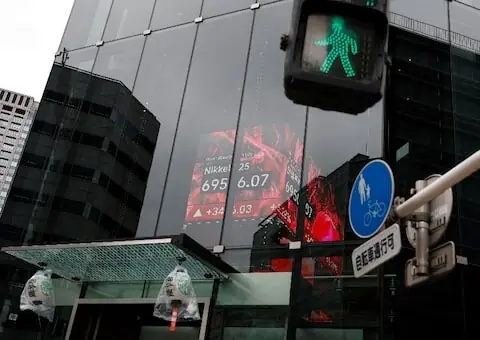
Japan's benchmark 10-year government bond yield also climbed to a fresh 30-year high of 3.025%. Meanwhile, Iran-aligned Houthis intensified attacks on Saudi Arabia, blaming Iran-backed fighters in Iraq for disrupting up to four percent of global oil supply. Gulf Arab nations postponed talks with Iran. This heightened supply concern kept markets on edge, with US crude oil prices increasing by 1.82% to $103.24 a barrel, while Brent rose 1.6% to $107.37.
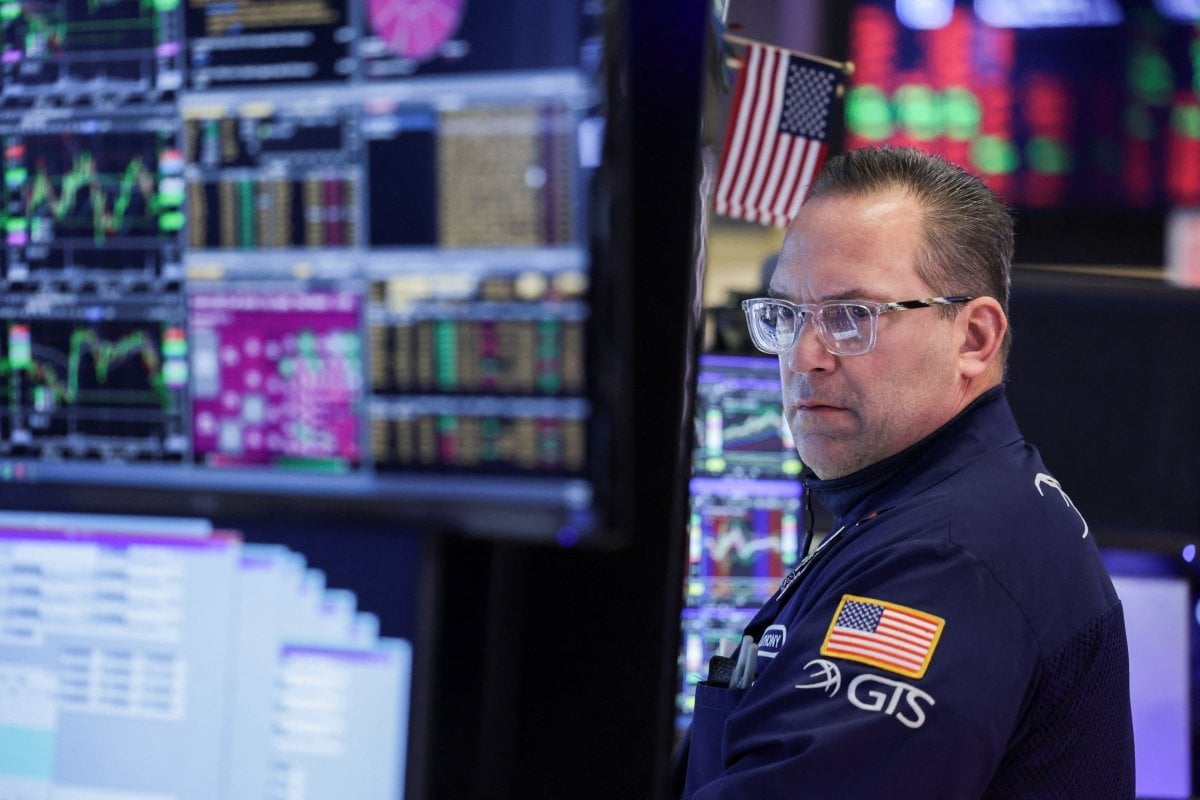
Analysts at Mitsubishi UFJ Bank noted that markets would likely remain focused on the possibility of higher crude oil prices contributing to inflation and prompting interest rate hikes. The Federal Open Market Committee was set to convene for a two-day meeting later in the day, with markets anticipating a 90% chance of a rate increase, marking the Fed's first hike since mid-2023.
Despite ongoing inflation deceleration, recent upside surprises led to a slower and less convincing disinflation pace than the Fed desired, according to Morgan Stanley analysts. They forecast a 25 basis-point hike at the upcoming meeting and another in December. Asian shares continued their downward trend from the previous session, following negative artificial intelligence (AI) figures that called for a slowdown in AI development.
The MSCI's Asia-Pacific index, excluding Japan, fell by 0.8%, with South Korea shedding 1.18%, Taiwan falling 0.43%, and Japan's Nikkei dropping 0.32%. US President Donald Trump dismissed concerns over AI misuse, asserting that existing US safeguards were sufficient and that China would benefit from doubts about AI development. In early European trading, the Euro Stoxx 50 futures rose slightly, the German DAX dipped, and the FTSE slipped.
The US S&P 500 E-minis futures also declined. The Bank of Japan was expected to raise its interest rate by 25 basis points to 1.25% at the conclusion of its two-day meeting on Friday, signaling further tightening. Policymakers aimed to strengthen the yen after an intervention helped the currency recover from a 40-year low. In currency markets, the dollar index, which gauges the greenback's value against a basket of currencies, increased by 0.11% to 99.60.
The euro weakened slightly by 0.1% to $1.1537, while the dollar rose 0.21% against the yen to 154.68. Gold experienced a marginal increase, trading at $4,307.32 per ounce. Cryptocurrencies also saw declines, with Bitcoin dropping 2.19% to $77,360.58 and Ether falling 3.48% to $2,480.77.
Written by urgent.news from New Straits Times's reporting — not their text. Machine-written — may contain errors; check the original before relying on it.
This story
This is one outlet's version. Read the fullest account.