22 years of science! NASA's Roman Space Telescope doubles its lifetime with super-precise engine burn
Originally planned to have a primary five-year mission followed by a five-year extended mission, the Nancy Grace Roman Space Telescope will now operate for over two decades.
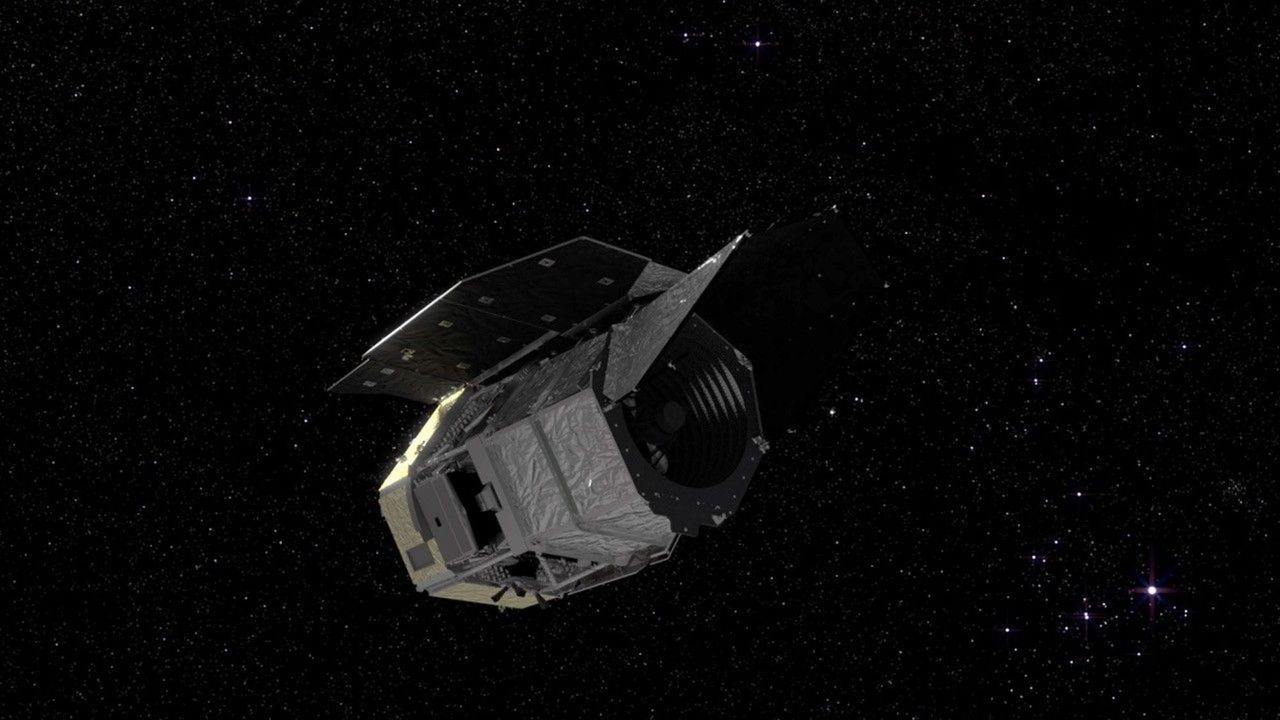
NASA's Nancy Grace Roman Space Telescope, launched on August 30, 2021, from Cape Canaveral, has exceeded expectations thanks to an efficient use of fuel. The telescope, designed to measure dark energy and search for exoplanets, is now capable of at least 22 years of science operations, a 22-year extension from its initial five-year mission.
This extended longevity is due to the spacecraft's lighter mass than initially projected, which left surplus fuel capacity. After launch, the telescope performed a precise engine burn to reach its intended orbit, using only 40 pounds of fuel, less than 10% of the budgeted 441 pounds. This efficient maneuver has added an additional four years to the telescope's operational lifetime.
The telescope's ability to perform minor stationkeeping burns every 28 days will further extend its operational lifespan. Consequently, the Roman Space Telescope could continue its groundbreaking discoveries for up to 22 years, potentially until 2048.
Written by urgent.news from Space.com's reporting — not their text. Machine-written — may contain errors; check the original before relying on it.