Why You Should Never Wear Shoes in Your House
The soles of your shoes collect germs—then track them everywhere you go.
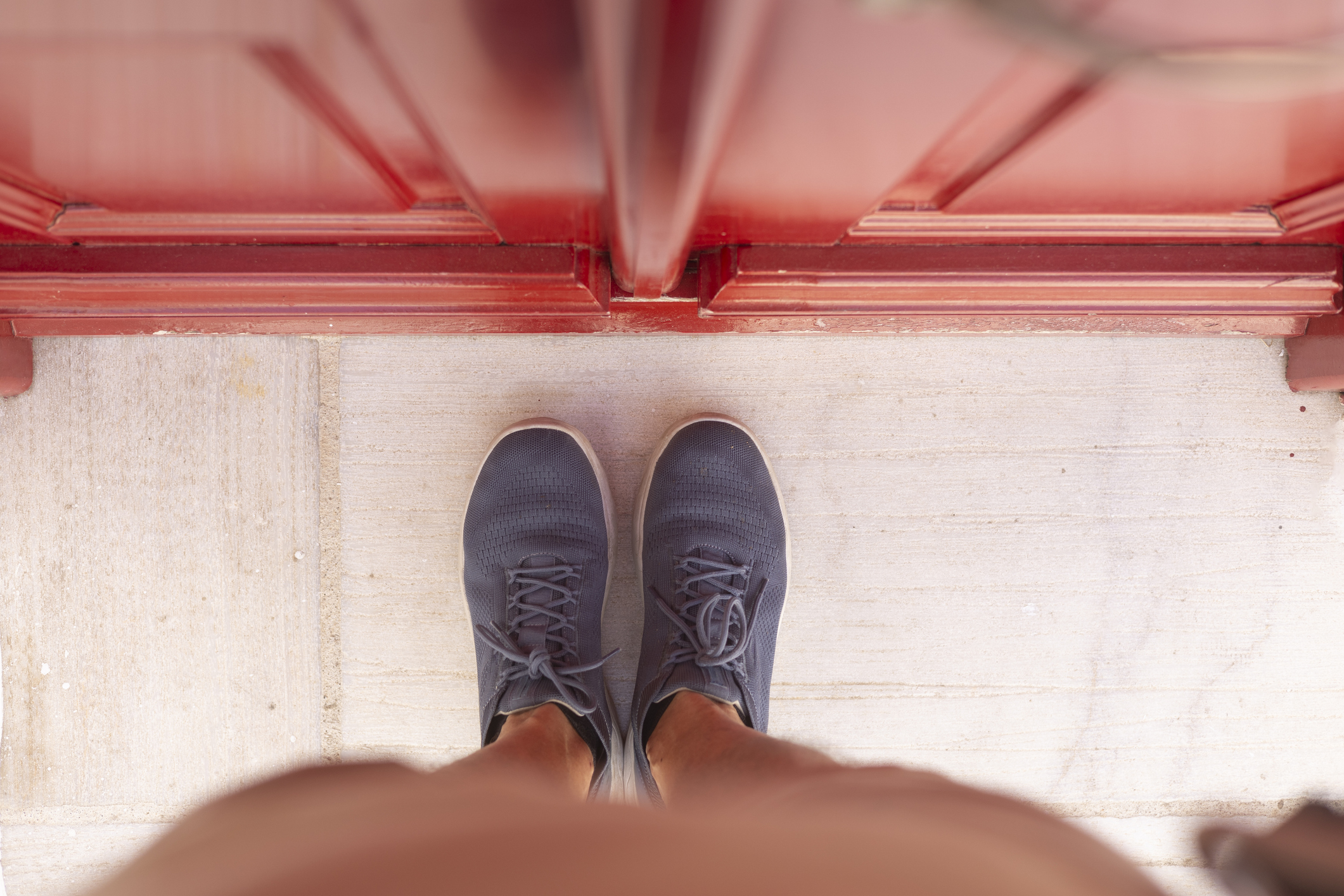
Whenever guests step into a home wearing shoes, they potentially bring along a multitude of unwelcome intruders. The outdoors teems with bacteria, viruses, and toxins, and shoes can easily accumulate these contaminants. According to a 2023 CBS News/YouGov poll, 63% of Americans routinely remove their shoes upon entering their homes, while 24% request their guests to do the same.
The Indiana Department of Health recently began a campaign promoting a "Shoes Free Protects You and Me" message, specifically addressing the issue of tracked-in lead.
The risks posed by shoes entering the home are significant. In a 2008 study, Charles Gerba, a virology professor at the University of Arizona, examined 26 pairs of shoes worn for three months outside and discovered alarming results. The shoes harbored between 3,600 and 8 million colony-forming units of bacteria on their soles. E. coli, a type of fecal bacteria, was the most prevalent organism found.
"About 80% of the bottoms of the shoes had fecal bacteria on them," Gerba explained to TIME, attributing this primarily to exposure to fecal bacteria in public restrooms. Shoes can also carry C. difficile, an intestinal bacterium causing diarrhea, which healthcare settings are known for their high levels of contamination.
A 2016 meta-analysis of 13 studies in the Journal of Applied Microbiology revealed that after hospital rounds, 65% of physicians' shoes tested positive for either MRSA or Enterococcus faecalis, another fecal bacterium. In a rural Alaska study, boots walked along an outdoor path became contaminated with multiple gut bacteria, with 70% of the boots testing positive.
When these contaminated boots were subsequently walked on a sterile floor, bacteria transferred to the surface. Urban environments, particularly due to dog walking on sidewalks and in parks, also present dangers. Fecal bacteria and urine pools often accumulate in heavily trafficked areas. The type of flooring can also impact the level of bacterial contamination, with carpeted areas providing a reservoir for bacteria.
Despite the research, the type of flooring can influence the extent of bacterial contamination. In a 2023 study from Northeastern University in New York City, researchers sampled sidewalk puddles, shoe bottoms, and flooring inside the school's urban campus. They found 30,000 gut bacteria per 100 milliliters of water in neighborhood puddles, with shoes carrying varying levels of the same bacteria.
Indoor carpeted areas also showed high levels of bacterial contamination. Shoes not only bring in germs but also contaminants like PFAS, lead dust, and pesticides. The areas nearest the front door are typically the most contaminated, as they are the first surfaces shoes touch when entering the home. Babies and young children are particularly vulnerable, as they crawl and play on these germ-ridden surfaces.
Some individuals, especially younger people, are adopting stricter policies by enforcing a universal ban on shoes in their homes. While only 7% of people currently enforce such a policy, the trend may be growing.
Written by urgent.news from Time's reporting — not their text. Machine-written — may contain errors; check the original before relying on it.