NST Leader: Making Sarawak's Flying Doctor Service safer
Malaysians gripe about practically everything, but almost everyone appreciates our heavily subsidised petrol and public healthcare system.
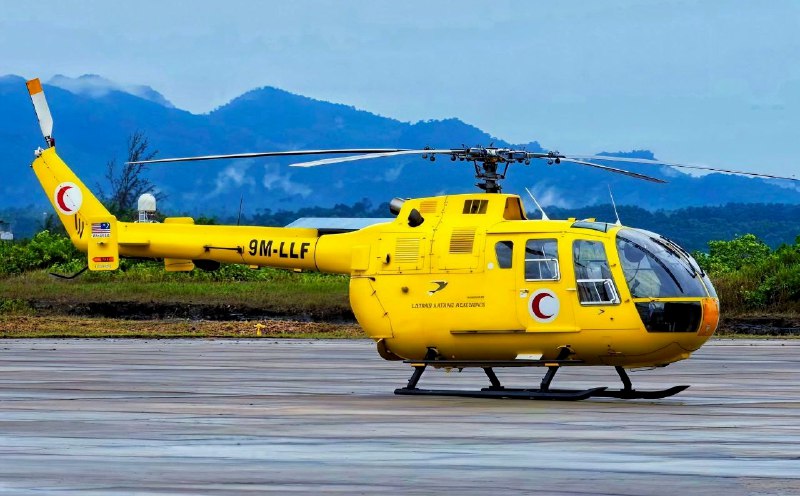
Malaysians may complain about many things, but most acknowledge the benefits of free petrol and public healthcare. However, the primary concern is often lengthy wait times, overcrowded facilities, and high demand, given that 90% of Malaysians reside within a 5km radius of a government hospital or clinic. This brings attention to those requiring medical care in remote villages, jungles, and other rural areas.
The Flying Doctor Service represents Malaysia's healthcare-for-all ethos, where everyone, regardless of wealth, political beliefs, or social status, is entitled to medical support. The recent tragic helicopter crash in Long Lellang, Sarawak, claiming the lives of a pilot and four healthcare workers, underscores the need to enhance the rural healthcare delivery system.
Established in 1973, the Flying Doctor Service offers general treatment, maternal and child healthcare, and childhood immunizations to 14,830 residents spread across 85 remote locations, with flights occurring every one to three months, subject to weather conditions and scheduling. The incident has temporarily suspended operations, providing the Health Ministry with an opportunity to conduct a swift review of the service.
The review will focus on safety aspects, particularly the reliability of the aging helicopters utilized, as well as contracts, maintenance practices, operational procedures, and the overall delivery model. Until the investigation is complete, the Flying Doctor Service must not solely rely on helicopters for medical assistance. Ideally, a combination of boats, four-wheel-drive vehicles, mobile clinics, and assets from the military and emergency services should be employed.
Presently, police, air force, Malaysian Maritime Enforcement Agency, and Fire and Rescue Department personnel are contributing to the situation with emergency flights until the findings are finalized. To reduce emergency evacuations, rural clinics and mobile healthcare teams can also be utilized. Improved digital connectivity and telemedicine services can link rural clinics and community health workers with specialists from major hospitals.
The Flying Doctor Service's commercial contracts related to procurement, contractor selection, and terms governing private helicopter operators should also undergo a thorough review. The Civil Aviation Authority of Malaysia is anticipated to scrutinize the maintenance history, safety protocols, and airworthiness of the crashed Bo 105 helicopter, which was manufactured in 1991.
Considering the inherent risks of the job, the Health Ministry should increase allowances for the personnel involved. Currently, allowances stand at RM30 per trip. Additionally, mandatory, government-funded insurance coverage should be provided.
Written by urgent.news from New Straits Times's reporting — not their text. Machine-written — may contain errors; check the original before relying on it.