What led to Iran-UAE consensus: Ceasefire window, 100-hour talks, back-and-forth at top level, nudge from China and Russia
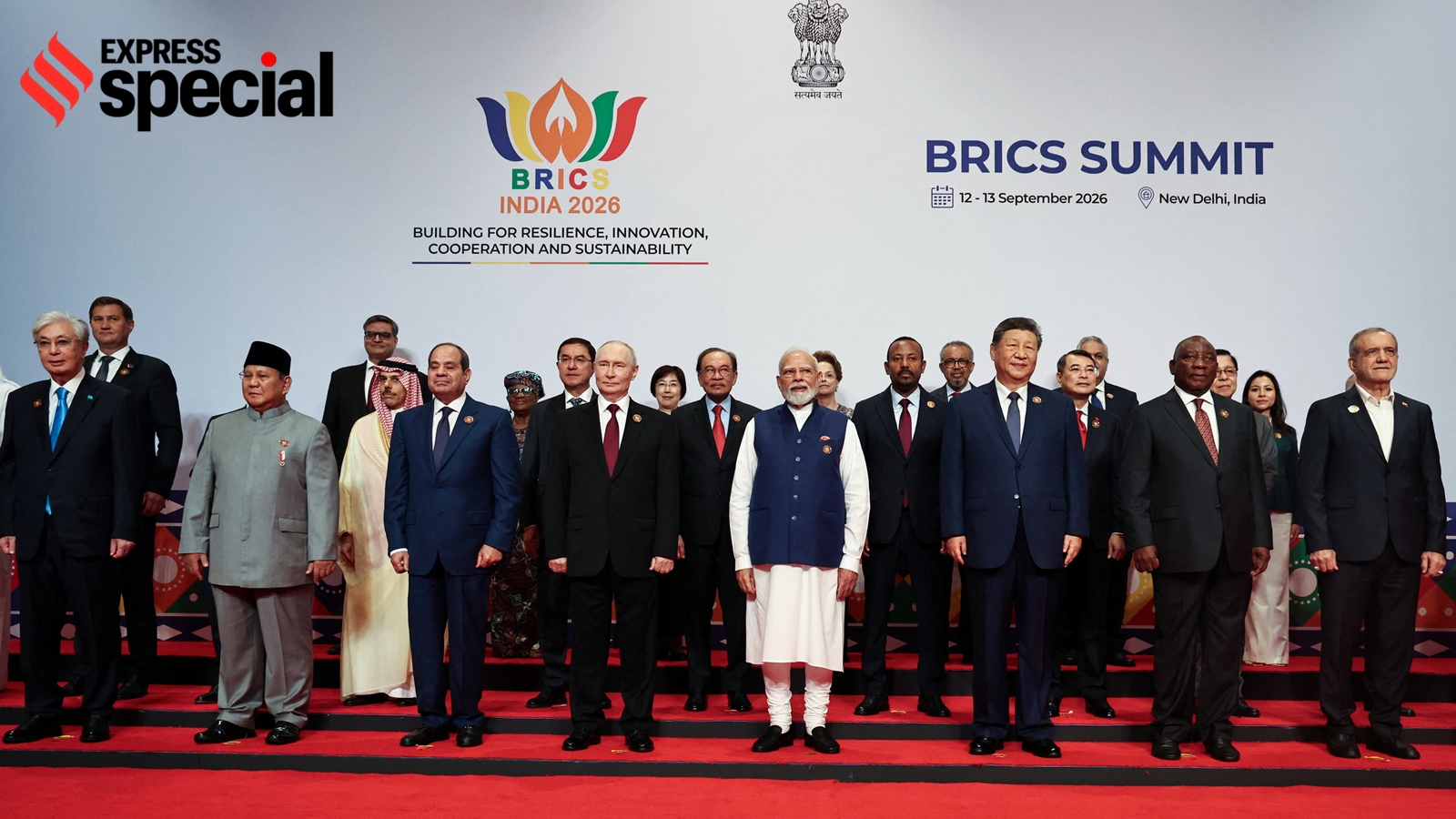
The consensus on the war in West Asia, outlined in the BRICS joint declaration on Saturday, was the result of a series of negotiations and influences. A narrow ceasefire window, talks at the highest level, and nearly 100 hours of negotiations by Indian diplomats provided the foundation. Indian officials, including Sudhakar Dalela and Shambhu Lingappa Hakki, began outreach to the UAE and Iran, leveraging their expertise in trade, economics, and diplomacy.
US-Iran tensions eased, allowing for further discussions, and Prime Minister Narendra Modi's visits to UAE and Iran contributed to the process. The 60-day ceasefire opened a window of opportunity for these discussions. Both sides had firmly drawn red lines, but as the consensus neared, China and Russia stepped in, with China emphasizing restraint and Russia urging the UAE to sign off on the language.
The final paragraph in the declaration called for maximum restraint and avoidance of actions that could exacerbate tensions, acknowledging territorial sovereignty and the need to protect civilians.
Written by urgent.news from The Indian Express's reporting — not their text. Machine-written — may contain errors; check the original before relying on it.