We followed people’s memories of 9/11 over the past 25 years — they started hallucinating things by 2002 and never stopped
These erroneous memories became stable over time. What most people reported after one year — even if it was wrong — remained when we assessed it later.
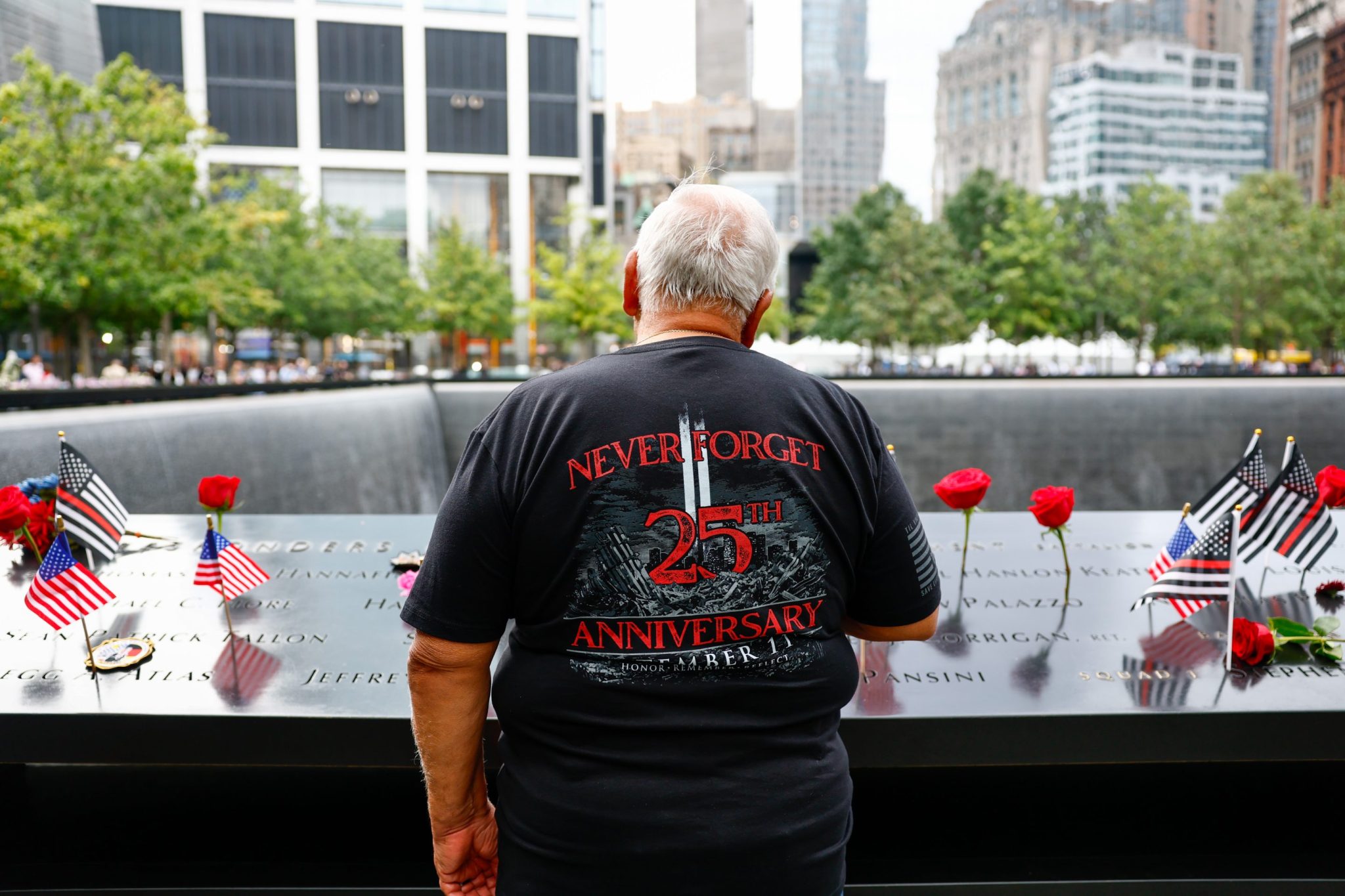
Flashbulb memories of the 9/11 attacks can be inaccurate, with up to 40% of the details being wrong. The memories are not fixed but are dynamic and can change over time. Researchers have followed people's memories for the past 25 years, finding inconsistencies in the initial reports one year after the attacks. Despite this, people remain confident in the accuracy of their memories.
The emotional nature of the event and the social acknowledgment that accompanies sharing a memory can boost confidence in its accuracy, even if some details are not correct. Flashbulb memories shape our identity and guide our future actions, as people often create a story of their life that reflects themselves in the best possible light.
These memories bind people together socially, helping to assert and affirm their shared membership in a community devastated by the terrorist attack.
Written by urgent.news from Fortune's reporting — not their text. Machine-written — may contain errors; check the original before relying on it.