War’s spread worsens oil disruption
ADEN/DUBAI: New strikes on Saudi Arabia and on ships in the Gulf tested nerves in the Middle East on Sunday, after an attack on a Saudi oil pipeline and an advance by Yemen’s Houthis threatened to worsen the wartime disruption to global energy supplies. Oil traders were expecting prices to rise again when markets reopen on Monday, following the weekend developments that jeopardise supplies from…
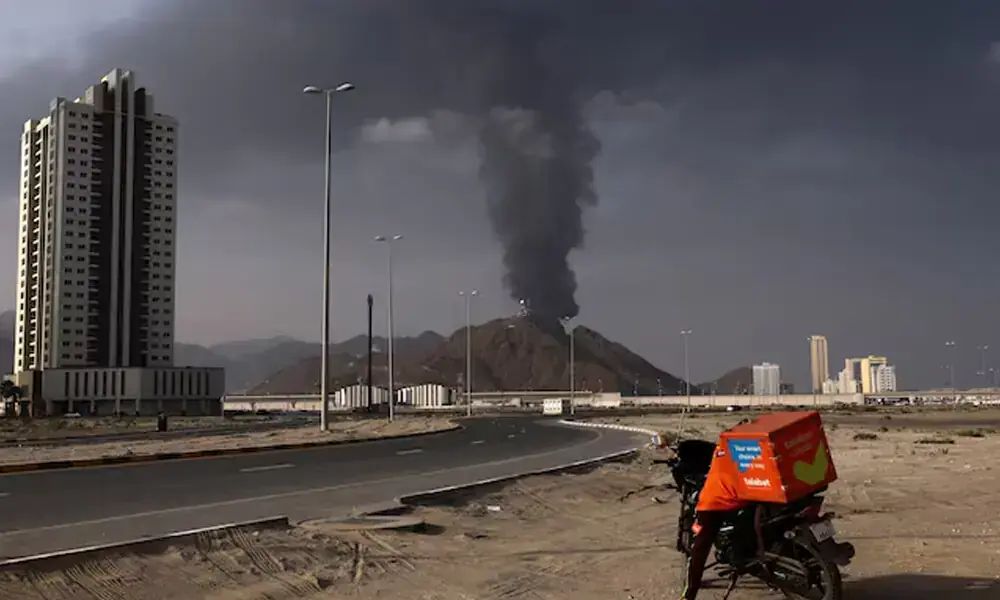
On Sunday, a series of strikes on Saudi Arabia and ships in the Gulf heightened tensions in the Middle East, exacerbating worries about a growing disruption to global energy supplies. The latest developments, including an attack on a Saudi oil pipeline and an advance by Yemen's Houthis, have the potential to jeopardize supplies from the world's largest oil exporter, Saudi Arabia.
British maritime security agency UKMTO reported that a vessel had been struck by a projectile in the Strait of Hormuz, resulting in a fire and crew evacuation. Iran claimed one person was killed and four crew members wounded when an Iranian commercial vessel was struck off its coast. Saudi state media released footage showing damage to homes and a mosque following the purported cross-border attack by the Houthis in Jazan province, while the Houthis claimed responsibility for striking a Saudi military base in a neighboring province.
Southern Saudi cities have been under regular alerts since last week, culminating in drone strikes on Friday that disabled a 1,200-kilometer pipeline across the Arabian Peninsula, a crucial route for global supplies of Middle East oil bypassing the Strait of Hormuz. Oil prices surged to above $100 per barrel last week, and the retail price of diesel fuel in the United States surpassed $6.20 per gallon, its highest point since July.
Saudi Arabia reportedly has enough oil stored at its Red Sea port of Yanbu to continue exports for only five to seven days if the pipeline remains shut, potentially endangering as much as 4% of global oil supply. The extent of pipeline damage and the time needed for repairs remain unclear, with estimates ranging from days to weeks.
Iran has invited Gulf Arab states to talks in Oman on Monday to present a proposed agreement regarding future shipping routes through the strait, though few details have been disclosed. While Oman has not officially announced the meeting or confirmed any agreement, most Gulf states have remained silent. Iraq intends to send a delegation, while Bahrain has declined to meet with Iranian representatives.
Iranian Foreign Minister Abbas Araghchi suggested that the meeting would likely not result in a signed agreement to reopen the strait unless the United States meets Iran's demands. Despite enduring significant military and economic losses from the US-led "Operation Epic Fury," Iran aims to emerge stronger, potentially collecting fees from ships using the strait.
The strikes on Saudi Arabia and the Houthi advances in Yemen present a new challenge for the United States, which seeks to support its Saudi allies and safeguard shipping while being cautious not to engage further in the ongoing war.
Written by urgent.news from Business Recorder's reporting — not their text. Machine-written — may contain errors; check the original before relying on it.