Vor dem nächsten Wahltag: Kanzler-Krise: Kriegt Merz noch die Kurve?
Zu Hause brennt die Hütte, aber die Welt dreht sich weiter: Merz versucht auf seiner Reise an den Polarkreis, die Kanzler-Krise wegzudrücken. Am nächsten Sonntag geht es für ihn aber um alles.
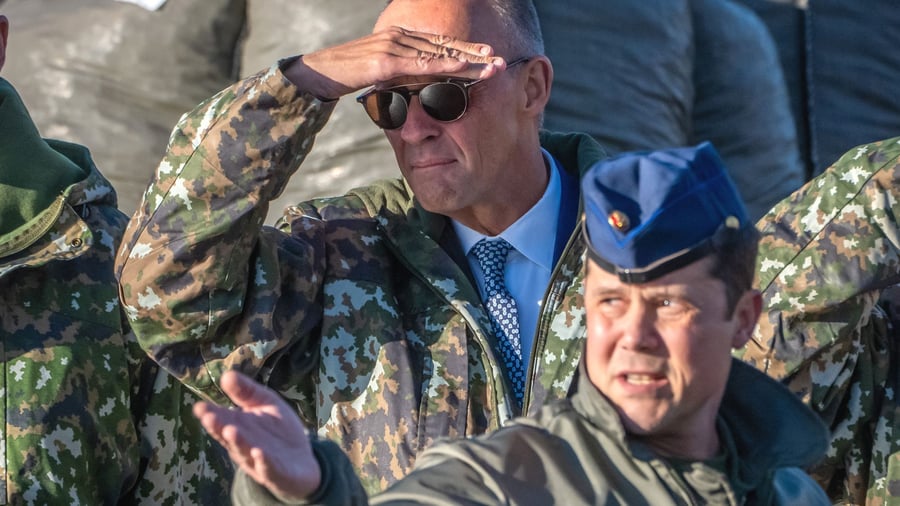
The situation in Rovaniemi, Finland, is peculiar, just a few kilometers from the Arctic Circle. Finnish Prime Minister Petteri Orpo, the President of Lithuania, and the head of the Latvian government are all commenting on the German Chancellor crisis ahead of the Arktis-Gipfel (Arctic Summit). Chancellor Merz has been silent thus far.
In a brief 1 minute and 29 seconds of camera time, Merz explained Germany's inclusion in Northern Europe and the need for NATO partners to unite against the eastern threat. Journalists asked questions, but Merz turned away and refused to answer. Others, however, were more talkative. Orpo stated that despite the domestic crisis, Merz remains a reliable partner.
He reiterated that Merz is the same Chancellor as before and plays a significant role in the European Union. Gitanas Nauseda, the President of Lithuania, also expressed support for Merz but emphasized the need for more action against populism in Europe. He stressed that people want more, including economic, employment, and growth solutions.
"We must provide. Otherwise, we will be penalized. That is democracy," Nauseda said. Merz faced repercussions after the AfD debacle in Saxony-Anhalt, where he appeared vulnerable. Speculation about the next election day potentially bringing his downfall has grown. The next election will take place in Mecklenburg-Western Pomerania and Berlin on the upcoming Sunday.
While the CDU remains the strongest party in Niedersachsen, losing only 4.5% of its votes, the AfD is now the third-largest party. Landesparteichef Sebastian Lechner acknowledged the good outcome but noted the discontent with Berlin. He criticized the personal debates but called for political change. The CDU's chaos and the diminishing authority of the Chancellor have resulted in a two-week grace period between the September state election and the Chancellor's existing mandate becoming increasingly tenuous.
Written by urgent.news from Handelsblatt's reporting — not their text. Machine-written — may contain errors; check the original before relying on it.