‘Unnoticed or misunderstood’: Why India’s striped hyenas matter
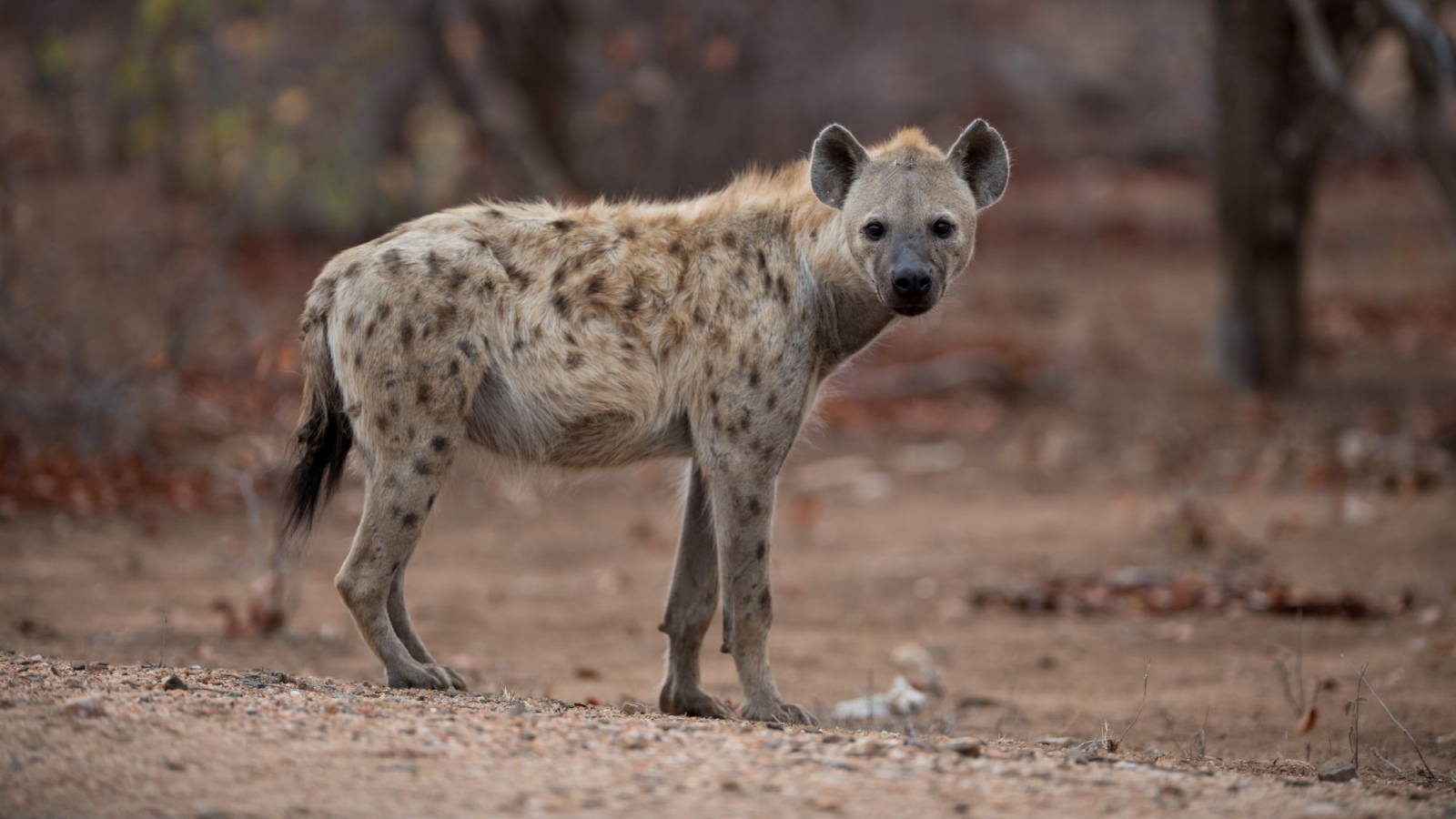
Striped hyenas in India often fly under the radar, frequently misunderstood and shrouded in folklore. Playful yet vital, these scavengers perform an essential function within ecosystems by consuming carcasses and recycling nutrients back into the environment. Unlike their spotted hyena counterparts in Africa, striped hyenas (Hyaena hyaena) can be found roaming the dry and semi-arid regions of India.
A recent report revealed how these often-overlooked scavengers contribute to maintaining clean ecosystems. Wildlife photographer and conservationist Indrajit Ghorpade emphasized the crucial role of striped hyenas in the natural cycle of life and death. He explained, "Scavengers like hyenas, vultures, etc. play an important role in the cycle of life and death," highlighting the importance of their scavenging behavior.
However, their food sources are dwindling due to changes in wild prey populations, livestock practices, and improper disposal of animal remains. Ghorpade noted, "There is a lack of carcasses due to predator-prey imbalance, and they are dependent on livestock dumped. Many times contaminated." Moreover, carcasses themselves can hold economic value, further depriving these scavengers of their food sources.
Outside protected areas, striped hyenas face threats such as habitat loss, illegal hunting, and persecution due to negative perceptions stemming from folklore and outdated customs. As Ghorpade pointed out, changing these misconceptions is crucial for their conservation. Protecting striped hyenas goes beyond safeguarding a single carnivore; it entails preserving their habitats, food sources, and ecological relationships that enable them to fulfill their important role in the ecosystem.
Written by urgent.news from The Indian Express - Lifestyle's reporting — not their text. Machine-written — may contain errors; check the original before relying on it.
Also reported by 1 other outlet
- ‘Unnoticed or misunderstood’: Why India’s striped hyenas matter indianexpress.com