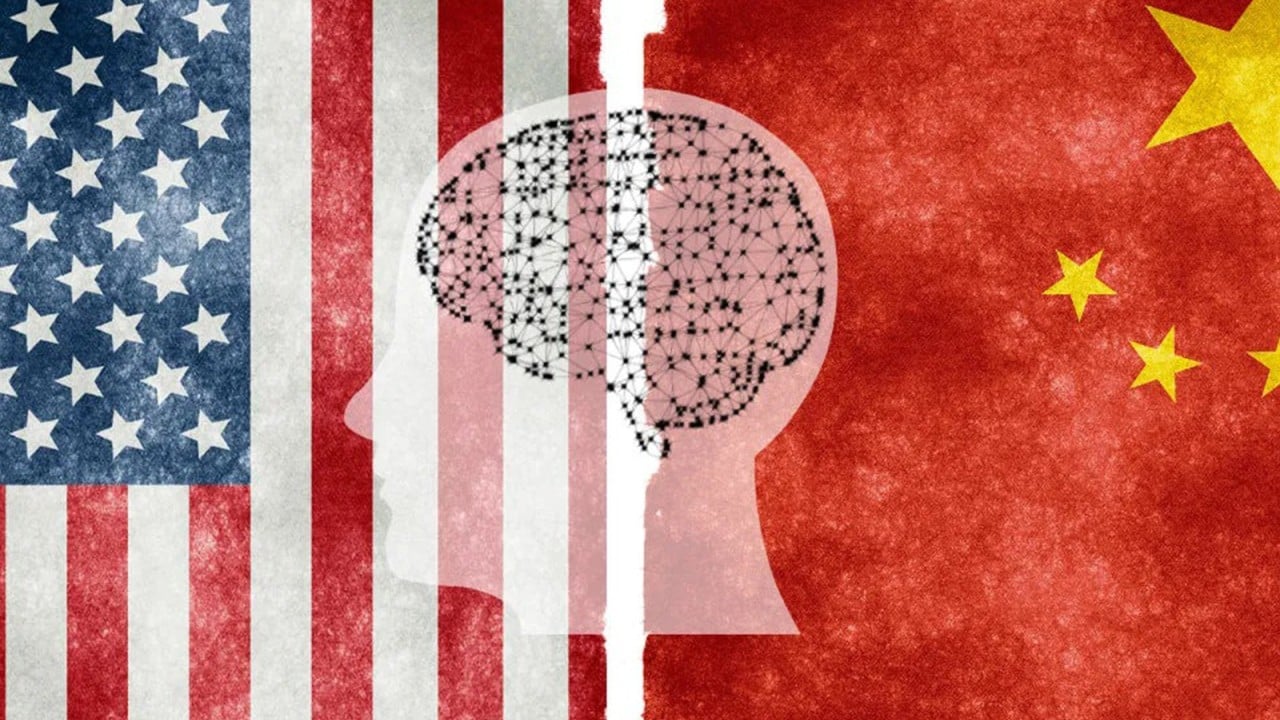
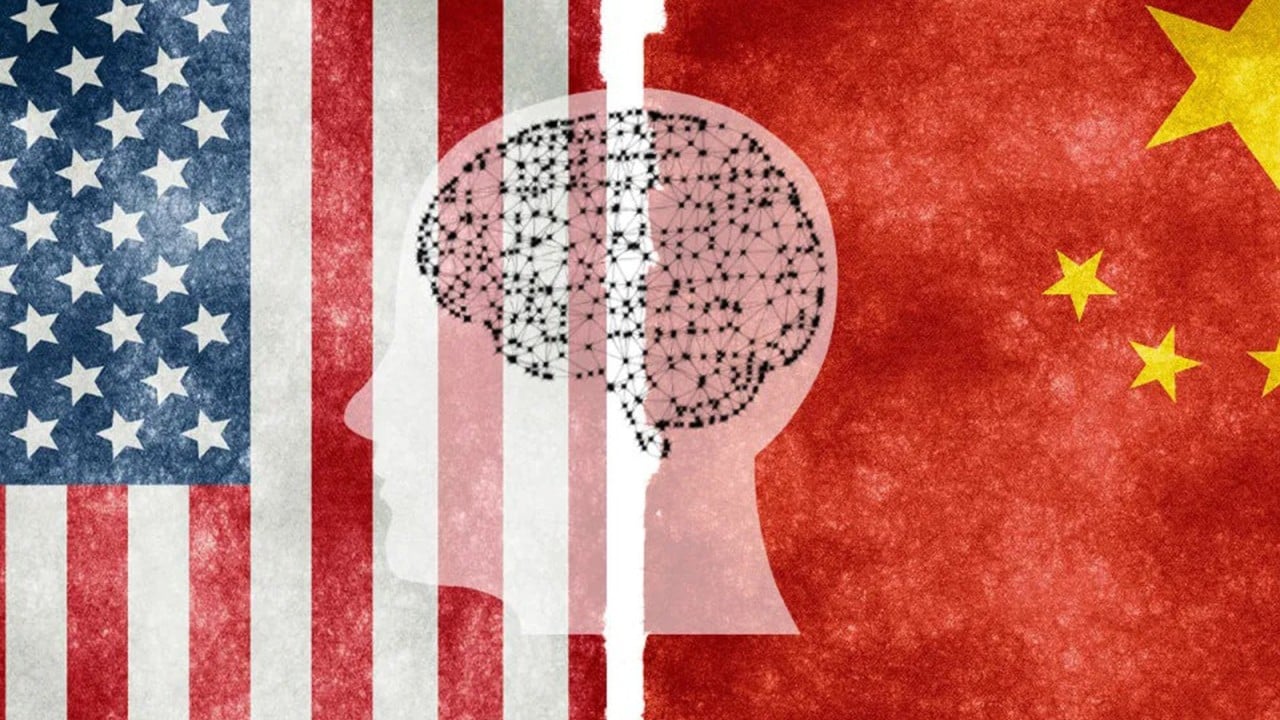
Trump rejects pause in AI race citing competition from China
Responding to concerns from AI leaders about the growing capabilities of their models, the US president said on Saturday that the country must stay ahead of Beijing in this strategic field. This debate is emerging ahead of the midterm elections, as industry giants struggle with funding difficulties.
China has criticized the notion of "malicious competition" in artificial intelligence (AI) governance. The country warned against engaging in confrontation and competing maliciously with the United States in AI development. This stance followed remarks from Anthropic CEO Dario Amodei who called for a slowdown in AI development to prevent China from surpassing the US in the AI race.
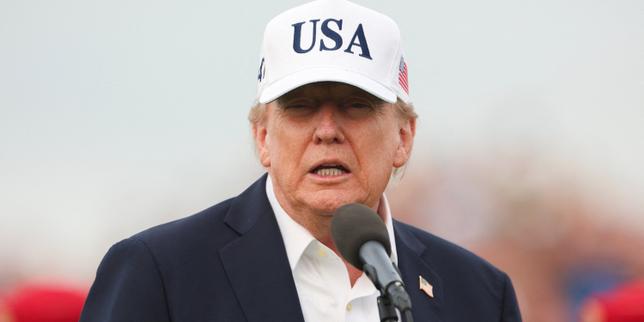
Over the past week, industry insiders from leading US AI labs have expressed extreme concerns over the potential threat AI poses, with some warning it could lead to humanity's demise. US President Donald Trump has stated that his priority is to ensure the US develops AI faster than China. China's foreign ministry spokesperson Guo Jiakun stated that narratives of threat, confrontation, and malicious competition only serve to disrupt global AI governance and are not in anyone's interest.
He emphasized the need for all parties to collaborate in advancing AI in an open, inclusive, and beneficial manner. China's difficulties in reaching an agreement with the US on AI regulation were highlighted by Chang Jun Yan, an assistant professor from Singapore's S Rajaratnam School of International Studies. Chang noted that cooperation in slowing down AI development for safety reasons is highly unlikely due to each state's core national security interests.
AI has become central to the US-China rivalry as the world's two largest economies seek technological advantage. Despite US export bans on critical chips, China's AI innovation has surged, driven by open-source technology and Beijing's support. Chinese officials, including President Xi Jinping, have acknowledged the risks of AI and stressed the need for balanced development, security, and the introduction of laws, ethical guidelines, and prevention measures to safeguard national interests and security.
China recently established the World AI Cooperation Organisation to shape global AI governance. Xi Jinping also proposed creating a community for open-source AI during the Brics summit in India. Calls for AI regulation have intensified in the US, particularly after a former Anthropic researcher, Jacob Coxson, warned of a strong possibility of global extinction if the current pace of development continued.
Industry leaders, including Anthropic CEO Dario Amodei, OpenAI's Sam Altman, and Microsoft's Satya Nadella, have advocated for a slowdown and increased regulation. However, US President Donald Trump remains unconcerned about the risks, emphasizing his desire to maintain the US's lead over China, as whoever emerges victorious in AI will be deemed the winner.
Despite the competition, experts warn that both countries face significant stakes. If China gains a dominant position in frontier AI, it will not be perceived as losing a technology race in Washington, but rather as losing part of the strategic infrastructure of the next industrial era.
Written by urgent.news from MyJoyOnline Ghana's reporting — not their text. Machine-written — may contain errors; check the original before relying on it.
This story
This is one outlet's version. Read the fullest account.