To decolonise Hindi, embrace its many voices
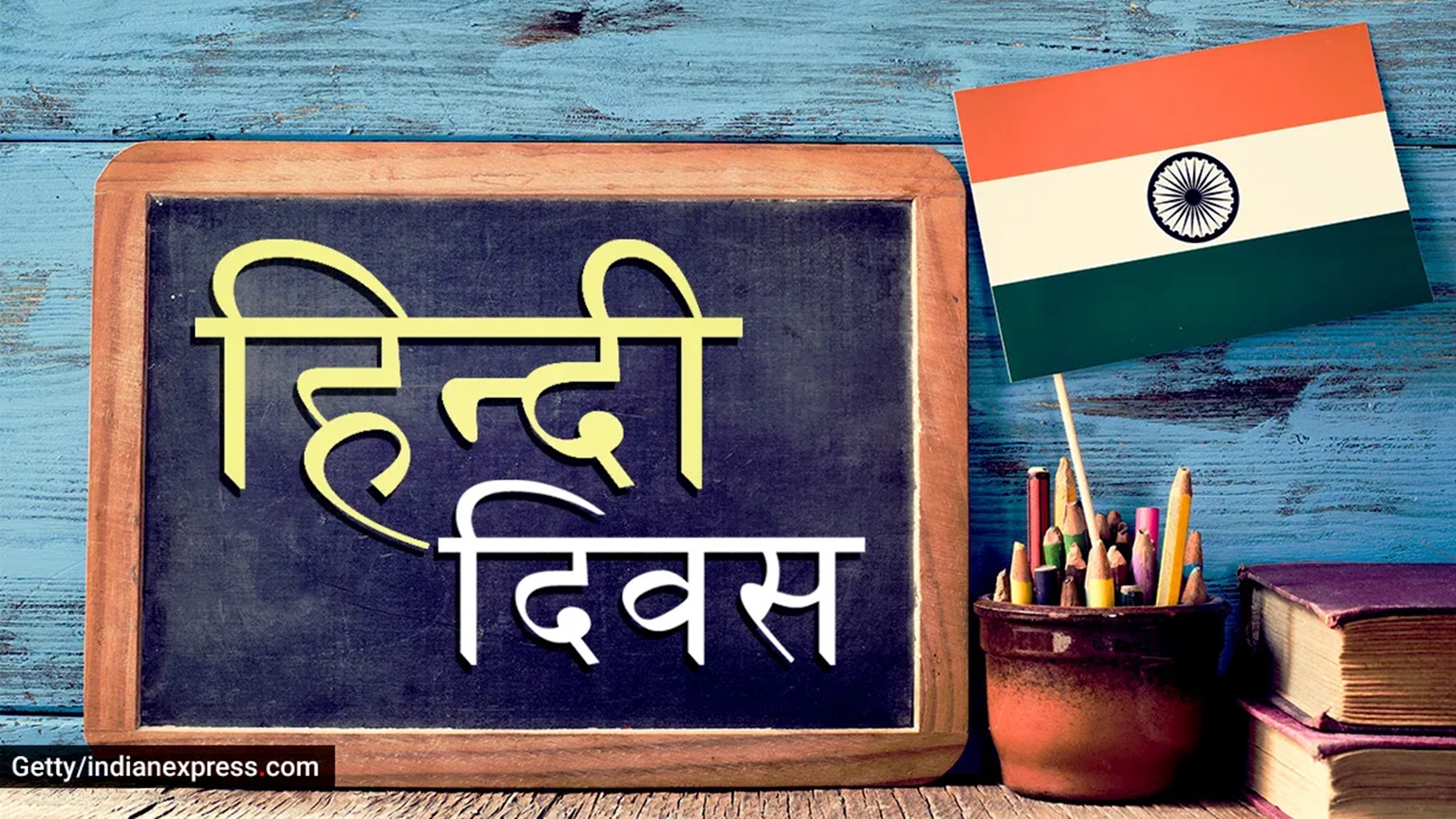
On Hindi Diwas, it is crucial to reassess the concept of "Hindi" and its origins, moving away from the notion of a fixed, singular language to recognizing the fluidity and diversity of its historical linguistic landscape. The pre-colonial era in northern India featured a rich tapestry of linguistic repertoires, with people using different languages depending on the context and function, without having a single exclusive "mother tongue."
However, the colonial state's imposition of standardisation, such as the replacement of Persian with vernacular languages in the lower courts in the 1830s and the subsequent partition of languages into rigid communal markers, altered this fluid landscape. This process was further solidified by the Piggott Commission of 1912-13, which prescribed separate standardised supplementary readers for Hindi and Urdu, and later, the promotion of a highly Sanskritised, Devanagari-based register of Khari Boli as the sole "pure" national language by organisations like the Nagari Pracharini Sabha and the Hindi Sahitya Sammelan.
These actions led to the devaluation of popular folk forms and the exclusion of local languages like Bhojpuri, Awadhi, and Braj Bhasha. To truly decolonise Hindi, it is essential to dismantle these structures of linguistic policing and embrace the absorption and adaptation that have historically strengthened the language.
Brief written by urgent.news from The Indian Express's own syndicated text. Machine-written — may contain errors; check the original before relying on it.