The search for clean water has failed — so can Nanton Zuo save the water source it already has?
More than a year after a JoyNews investigation by Mahmud Mohammed-Nurudeen exposed serious contamination in Nanton Zuo’s main water source, residents are still relying on the same dam. Before school, some children walk to the dam with containers, fetch water and carry it home for their families. Residents use the water for drinking, cooking, washing […]
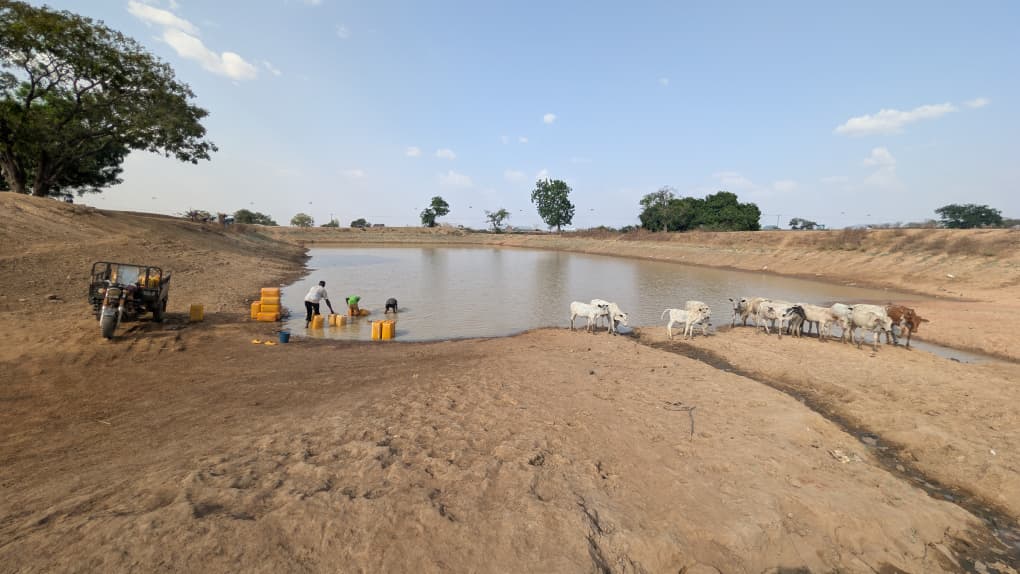
Over a year after an investigative report by JoyNews uncovered severe contamination in Nanton Zuo's primary water source, the community remains reliant on that same dam. Children walk to the dam before school to collect water for their families, using it for drinking, cooking, washing, and other household needs. Efforts to find alternative water sources have not yielded success; some boreholes have failed, and a newer one is deemed unsuitable due to high salt content. Pipes connected to the community years ago still do not provide a reliable water supply.
A recent proposal involves rehabilitating the dam, but its safety remains questionable. In April 2025, JoyNews collected a water sample from the dam and had it tested by the Ghana Water Company's Regional Quality Assurance Department in the Northern Region. The results were alarming, with physical and chemical parameters failing to meet Ghana's regulatory standards. Microbial contamination was also so high that it could not be quantified, represented by the lab result "TNT" — an abbreviation for too numerous to count.
Sulemana Alhassan, who led the regional water quality assurance, emphasized the severity of the findings. He noted that the water failed to meet regulatory requirements and warned that consuming untreated water could lead to long-term harm. Memunatu, a community resident, observed that the dam becomes even dirtier after rain, with waste from animals, discarded nappies, and other debris entering the water. Despite the contamination, residents have no viable alternatives and continue to rely on the dam.
Even a recently discovered borehole has proven inadequate. While it provided water, it was deemed unsuitable for use, being too salty and ineffective with soap. The search for a dependable water source continues, as the challenges in finding safe groundwater in the area persist. The geology of the region makes groundwater development difficult, with the rocks—mudstone and shale—preventing water from entering or being stored effectively.
This difficulty extends beyond Nanton Zuo, affecting the broader area. Consequently, the community's focus has shifted back to rehabilitating the dam, aiming to increase its capacity and retain more water during the dry season, though the safety of the water remains a concern.
Written by urgent.news from MyJoyOnline Ghana's reporting — not their text. Machine-written — may contain errors; check the original before relying on it.