Riverland men casting aside tools and tractors to work in disability
When Brody Thompson finished school, he initially struggled to find a sense of professional purpose until someone suggested he try support work.
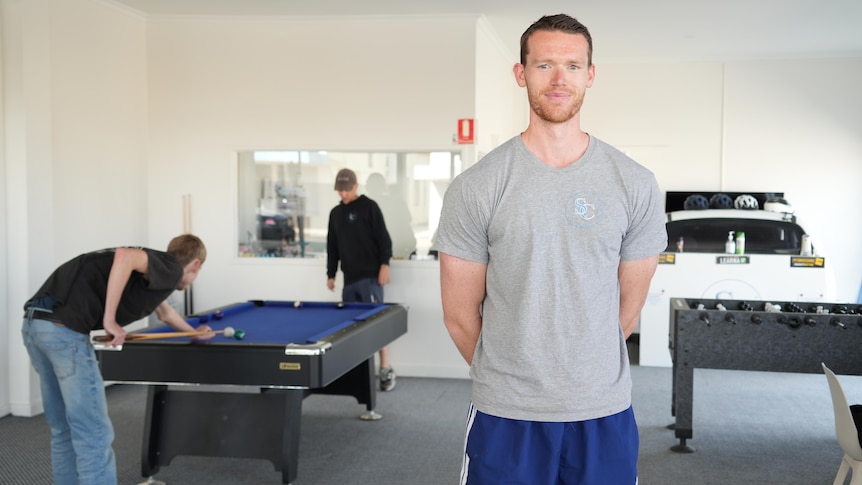
In recent years, a noticeable shift has occurred among men in the Riverland region, as more and more are choosing to pursue careers in disability support rather than continuing with farm work or trades. This trend is supported by national data, which indicates a gradual increase in men working in disability roles over the past decade.
Clients of these disability support workers appreciate the more balanced male presence in the profession. For instance, Brody Thompson, a former school student, had initially considered a career in the disability caring field but was deterred by the monotonous farm work. The 24-year-old Thompson decided to make a change when a friend suggested he apply for a job in disability support.
Thompson is now part of a growing workforce comprising more than a dozen men, who make up half the staff at a local NDIS provider that aids children and young adults in the area. Thompson acknowledges that he initially faced a stigma associated with the role, but he has since come to realize the immense rewards of helping others.
Max Hall, a part-time client of Thompson's, echoes his sentiments, expressing his happiness at having a male role model to connect with. Haiden Button, a disability worker in Loxton, also highlights the positive impact of the career shift, noting that it has significantly improved his mental health and overall well-being. Despite occasional challenges, Button finds the work fulfilling and enjoyable, especially when engaging in physical activities and ground maintenance with clients.
National data further supports this trend, revealing that men in disability support roles have risen from 29% in 2015 to 33% in 2025. However, there is still a need for the sector to invest in attracting and retaining a diverse, skilled workforce to ensure that people with disabilities receive high-quality support wherever they reside.
Written by urgent.news from ABC News AU's reporting — not their text. Machine-written — may contain errors; check the original before relying on it.