Residents’ group asks why Jelutong reclamation plan grew from 4ha to 28ha
ProtectKarpal committee says the state government must explain why the proposed project has grown seven-fold since the agreement was signed in 2020.
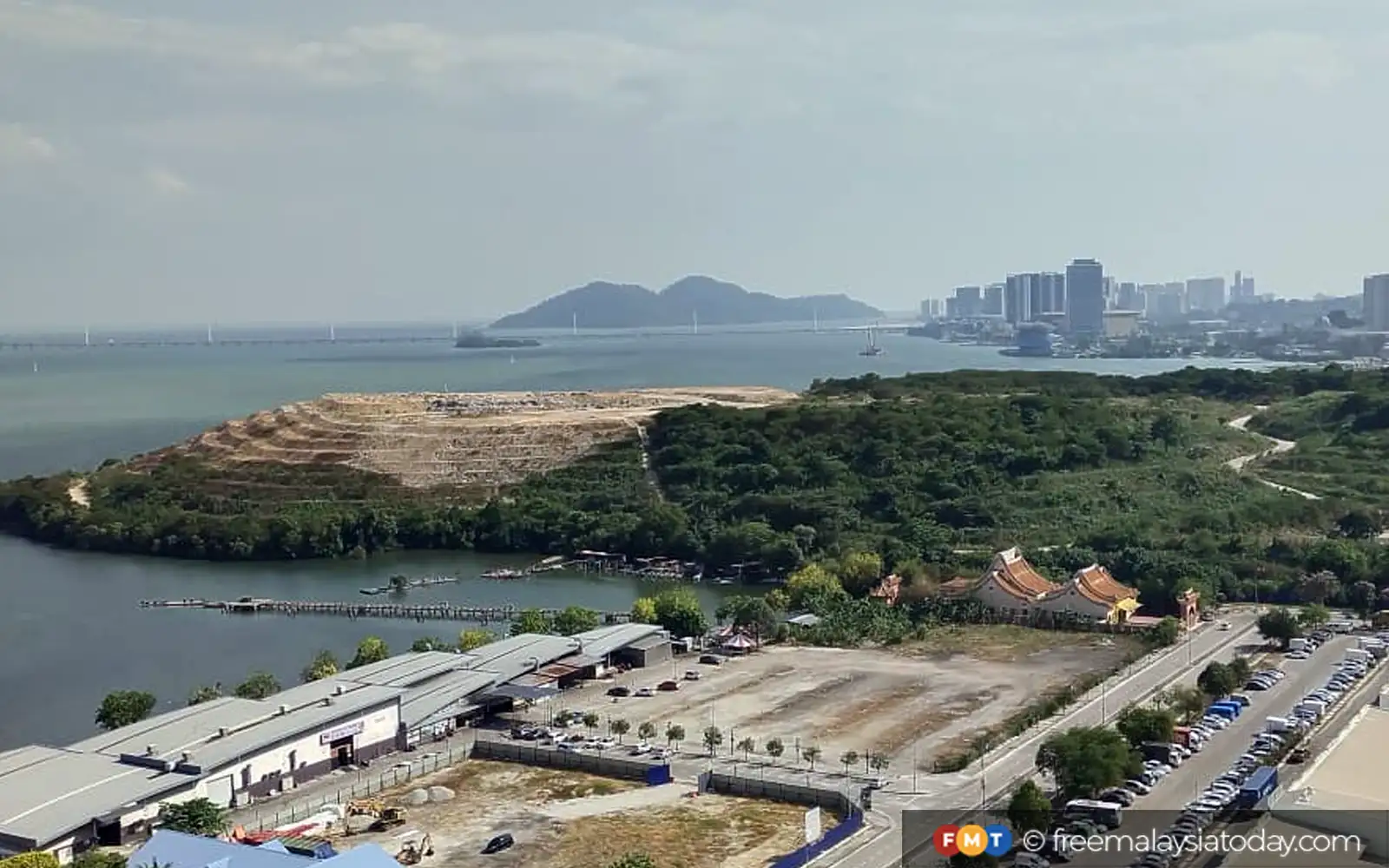
A residents' group in Malaysia has questioned the expansion of the Jelutong landfill rehabilitation project's reclamation area from 4 hectares to 28 hectares. The Protect Karpal Singh Drive Action Committee (ProtectKarpal) argued that the additional reclamation would primarily serve waste processing and recycling purposes, rather than securing the landfill perimeter as originally intended.
According to the committee, the Environmental Impact Assessment (EIA) displayed to the public suggests that nearly all of the proposed 28 hectares would be allocated for waste processing and recycling, rather than perimeter security. The group noted that Clause 1.1.1 of the joint development agreement (JDA) defines "Additional Area" as land rehabilitated beyond the existing site, but only "as required and approved by the relevant authorities to secure the perimeters for the purpose of the developer carrying out and completing the rehabilitation works only."
The committee emphasized that this requirement should limit reclamation to what is strictly necessary for perimeter security, rather than allowing the full 28 hectares. ProtectKarpal also expressed concerns about using waste recovered from the Jelutong landfill as fill material for the reclamation project. The group warned that this could potentially create another landfill along the reclaimed coastline, posing environmental risks.
They called for independent evidence to ensure the fill material is environmentally safe for marine reclamation. The RM1 billion project aims to rehabilitate the old Jelutong landfill and reclaim 28.3 hectares of coastal land next to Karpal Singh Drive. The landfill has been operational since the early 1970s, with construction debris and garden waste allowed since 2002.
Residents have previously called for the reclamation plan to be abandoned, citing the original intention to rehabilitate the landfill and create green space. The state government has defended the reclaimed land, stating it is necessary for waste sorting and recycling before the site is cleaned up and developed.
Written by urgent.news from Free Malaysia Today's reporting — not their text. Machine-written — may contain errors; check the original before relying on it.
This story
This is one outlet's version. Read the fullest account.
- Residents’ group asks why Jelutong reclamation plan grew from 4ha to 28ha freemalaysiatoday.com