Protecting Girls, Transforming Futures: Ghana’s renewed commitment to ending child marriage
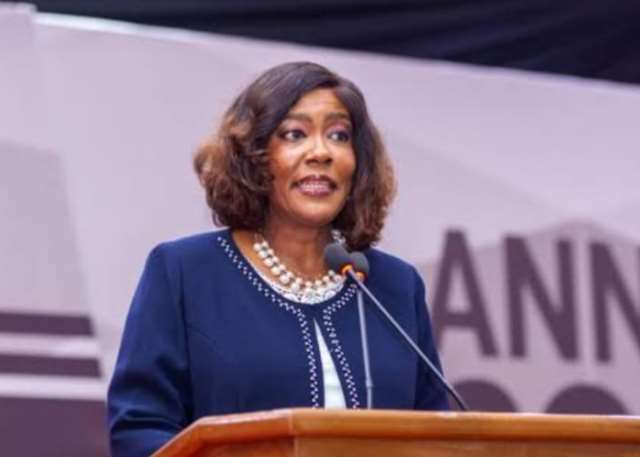
Ghana is intensifying its efforts to end child marriage and protect the rights, health and future of adolescent girls, as the country continues to confront the social and economic factors that put girls at risk. The Minister for Gender, Children and Social Protection, Naa Momo Lartey, says the Ministry remains committed to strengthening gender-responsive interventions […]
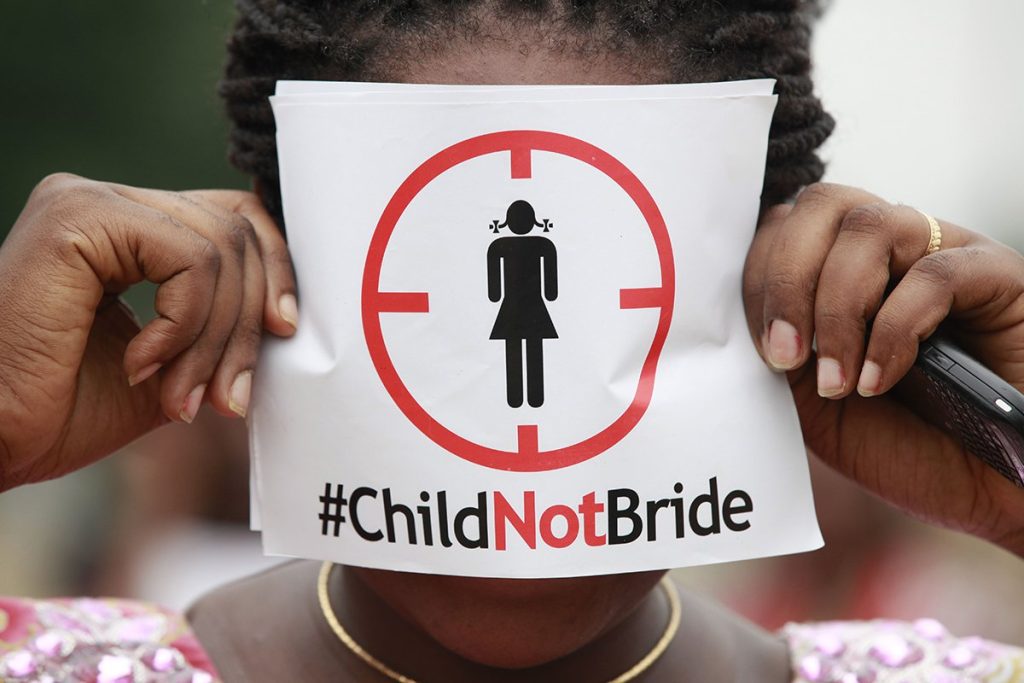
Ghana is ramping up its efforts to eradicate child marriage and safeguard adolescent girls' rights, health, and future. The Minister for Gender, Children, and Social Protection, Naa Momo Lartey, affirmed the ministry's dedication to implementing gender-sensitive initiatives that bolster women's welfare, enhance access to information, bolster economic empowerment, and amplify women's participation in family and community decision-making.
In addressing child marriage, the minister highlighted the heightened vulnerability of adolescent girls, exacerbated by poverty, school dropouts, limited access to sexual and reproductive health information and services, and early pregnancies. She underscored that child marriage and related violence and exploitation are not merely rights issues but are crucial to Ghana's broader endeavors to enhance maternal and child health.
The minister emphasized the ministry's continued collaboration with government bodies, development partners, civil society groups, and communities to fortify protective measures for girls and enable them to prosper. Protecting girls from child marriage, violence, and exploitation is pivotal to Ghana's broader strategy to improve maternal health outcomes.
The minister stressed the significance of keeping girls in school, fostering their social and economic empowerment, and tackling the underlying vulnerabilities that elevate their risk of early marriage and pregnancy. Tackling child marriage demands more than policy and awareness; it necessitates a steadfast commitment to education, economic empowerment, healthcare, child protection, and community engagement.
For many girls, staying in school acts as a potent safeguard against early marriage and pregnancy. Education imparts knowledge, self-assurance, and opportunities for independent and prosperous futures. Economic empowerment is equally vital, as bolstering families and communities to surmount poverty can abate the pressures that sometimes culminate in girls being wedded at a tender age.
Thus, ending child marriage necessitates a concerted commitment from government, traditional and religious leaders, families, communities, civil society organizations, development partners, and young people themselves. Ghana's renewed dedication sends a resounding message: every girl merits the chance to grow, learn, dream, and shape her destiny without the looming specter of child marriage, violence, or exploitation.
As the nation fortifies its interventions, the emphasis remains on crafting an environment where girls are shielded, empowered, and endowed with every opportunity to achieve their fullest potential. Ending child marriage may be an arduous endeavor, but with robust leadership, collaborative action, and persistent investment in girls, Ghana can continue to achieve tangible progress.
Shielding a girl today is an investment in the mother, leader, professional, and change-maker she can become tomorrow. Child marriage is not merely about altering statistics; it is about metamorphosing lives and guaranteeing a brighter future for generations to come.
Written by urgent.news from Adom Online's reporting — not their text. Machine-written — may contain errors; check the original before relying on it.