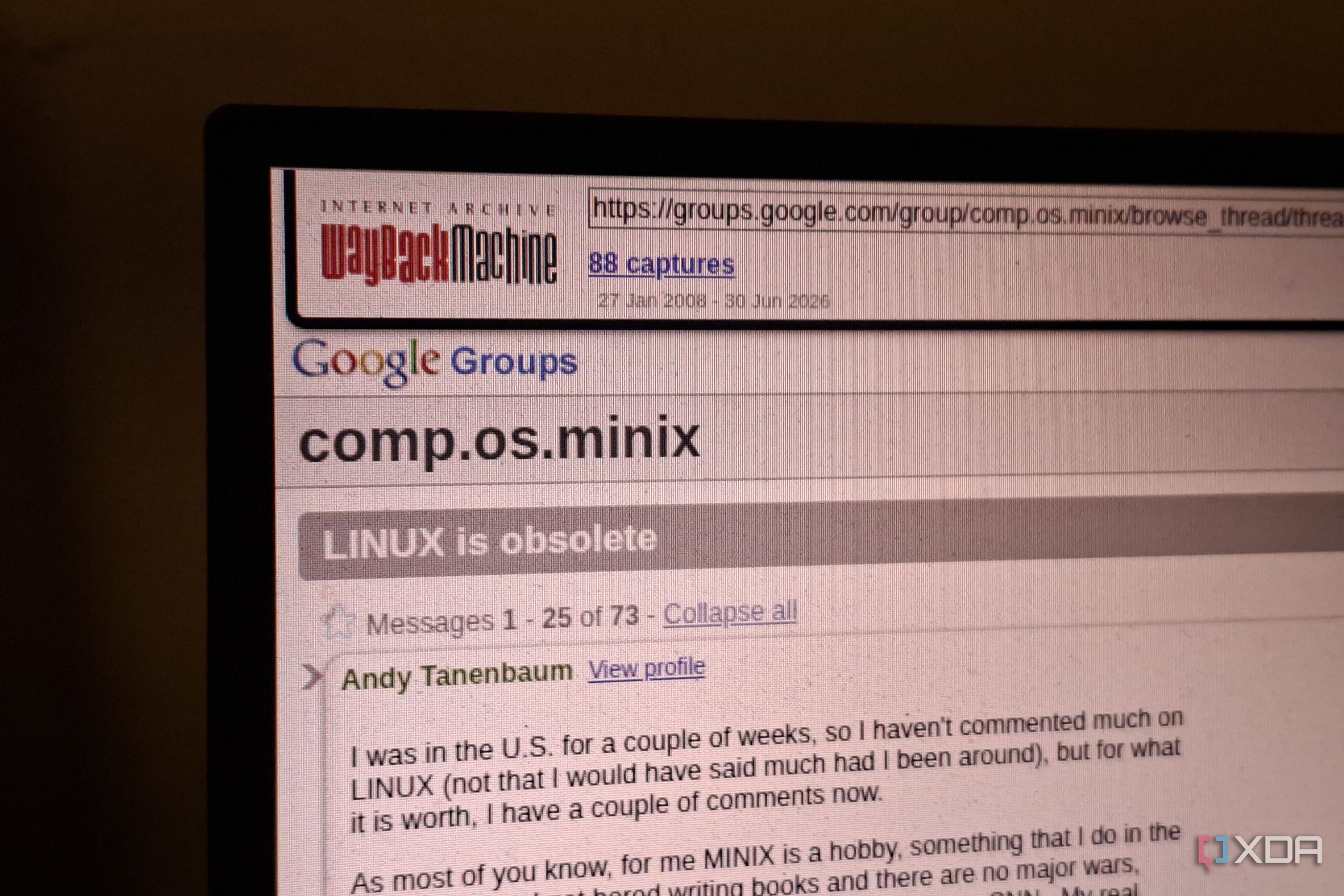
Linux was called 'obsolete' in 1992, and now it powers servers around the world
Linux really turned that one around, huh?
Cpak is an OCI application package format designed for Linux desktops, servers and devices. Every package comes with a clear manifest, a real origin, and a command to inspect before installing. Users can follow a complete course, modify real manifests, and witness what Cpak accepts, refuses, or changes.
Professional paths culminate in an exam and a public, verifiable credential. Two static binaries act as the runtime, and a shared content store accommodates every application. Cpak supports familiar Dockerfile syntax, layer caching, and incremental builds without requiring a container daemon in production.
Cpak enables binding host graphics drivers at launch, eliminating the need to package a second driver stack in every image. Applications can declare access to DBus, sockets, and devices, granting only the resources they truly need. Users can install any tag, branch, or exact commit SHA, subsequently pinning the source that should receive updates.
The same manifest and command apply across systems, with an OCI image built for each architecture. Cpak operates seamlessly out of the box on every Linux distribution. Installation instructions are available.
Written by urgent.news from Hacker News's reporting — not their text. Machine-written — may contain errors; check the original before relying on it.
This story
This is one outlet's version. Read the fullest account.