Kazakhstan, China to launch cross-border QR payments by end-2026
AgenciesKazakhstan plans to launch QR-code payments with China by the end of 2026 – a move that analysts say could expand the yuan’s use beyond trade and investment into everyday t...
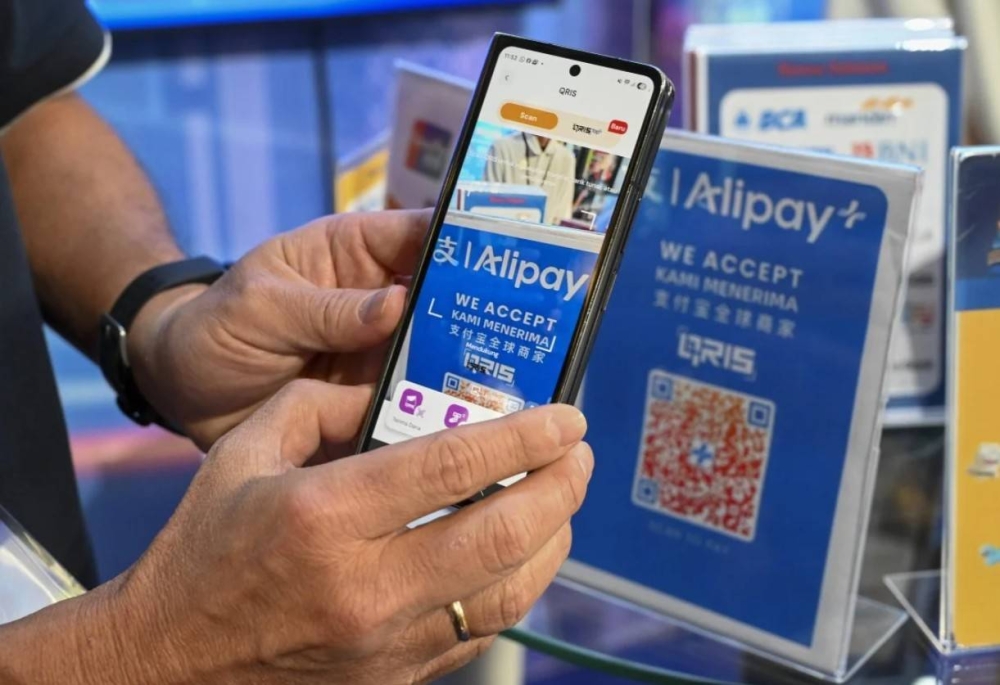
Kazakhstan plans to introduce QR-code payments with China by the end of 2026, a move analysts believe could broaden the yuan's use beyond trade and investment into daily transactions, offering a "gentle yet substantial" alternative to the US dollar. This decision is part of Beijing's efforts to deepen trade and financial ties under the Belt and Road Initiative, and to promote the yuan's use in cross-border transactions as part of a broader de-dollarisation trend.
Binur Zhalenov, deputy governor of the National Bank of Kazakhstan, revealed at a fintech summit in Almaty that the payment system with China will commence operations by year-end, enabling citizens of both nations to make payments using mobile QR codes while traveling to each other's countries. Systems with other participating countries, including India, the United Arab Emirates, Kyrgyzstan, and Uzbekistan, are tentatively scheduled to launch from mid-2027.
This development, according to Liu Feng, chief economist at the International Institute of Green Finance, marks a key shift in the internationalization of the yuan. He notes that when Kazakh residents can easily scan and pay as Chinese people do, the yuan's network effect will begin to take root at the retail level, elevating the currency from a settlement tool to a regional payment currency.
Zhalenov further explains that Kazakhstan's adoption could provide China with an early entrance into establishing yuan-based payment standards in Central Asia. As a pivotal hub of the Belt and Road Initiative, Kazakhstan's move effectively embeds yuan payment standards into the region, creating a network effect and path dependency that offers a gentle yet substantive alternative to the dominance of the US dollar and euro.
The proposed system builds on existing cooperation between the two countries' payment platforms. In 2024, Kazakhstan's all-in-one payments app, Kaspi.kz, collaborated with Chinese payment app Alipay, enabling Kaspi users to conduct mobile payments in China. Alipay is a subsidiary of Alibaba Group Holding, which owns the South China Morning Post.
As China aims to expand the yuan's global use amid a wider push to reduce reliance on the US dollar, the People's Bank of China, led by Deputy Governor Lu Lei, plans to expand cross-border use cases for the digital yuan and QR-code payments. Lu stated that the central bank will continue to broaden the yuan's international presence, confirming that the internationalization of the yuan is an ongoing and irreversible trend.
Written by urgent.news from Qatar Tribune Business's reporting — not their text. Machine-written — may contain errors; check the original before relying on it.