Jared Goff didn’t fumble because the NFL’s passing rules are broken
The NFL’s ability to ensure referees can determine the outcome of games ruined one of the most stunning contests of Week 1. New Orleans started the game looking like one of the worst teams in the NFL, as Detroit jumped out to a 21-0 lead while Tyler Shough struggled, only for the Saints to surge […]
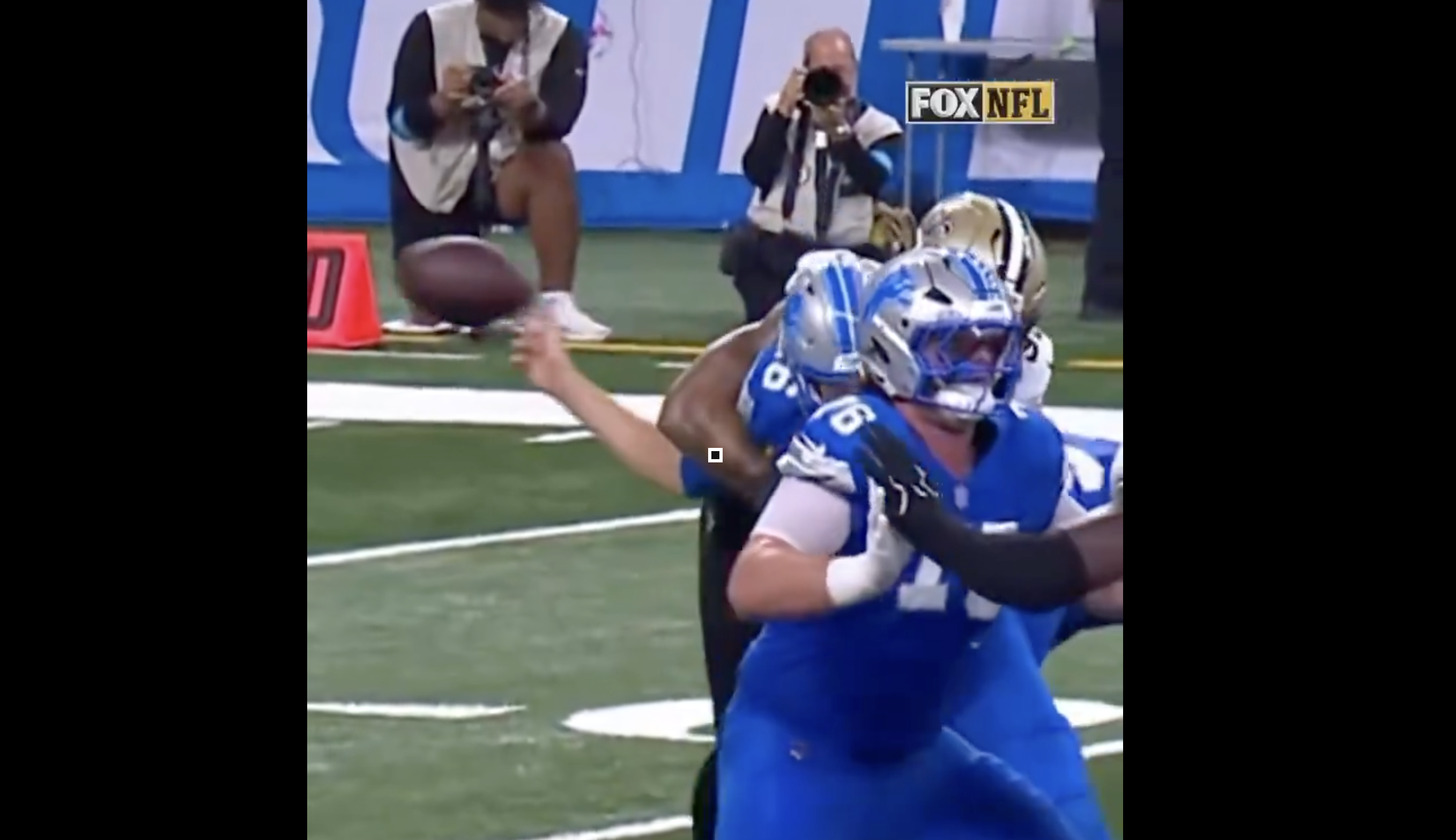
The NFL's passing rules have been called into question following a controversial touchdown fumble by Jared Goff during a Week 1 game between the New Orleans Saints and Detroit Lions. The Saints began the game with a 21-0 deficit, only to mount a comeback, tie the game, and force overtime. The Lions eventually won 31-30, but the incident involving Goff has sparked debate over the league's rules.
New Orleans quarterback Jared Goff seemingly fumbled the ball after being hit by Detroit's Chase Young, causing the ball to go backwards. However, after a review by video officials in New York, the play was overturned as a touchdown. The official explanation for this ruling centers on the quarterback's throwing motion, stating that if the thrower begins their throwing motion before contact from the defender, it is considered a forward pass.
The league's rulebook underwent changes in 2022, altering the definition of a forward pass and removing previous verbiage about the position of the quarterback's arm. This change eliminated any ambiguity regarding when a quarterback can fumble the ball, making it impossible for a QB to fumble the ball after beginning their throwing motion.
The rule change has led to confusion and controversy, as it effectively prevents quarterbacks from fumbling the ball under most circumstances. The only scenarios where a QB could potentially fumble the ball are before throwing, if they tuck the ball, or during the split second between a pump fake. The functional difference between "re-cocking the arm" and "beginning a throwing motion" is unclear, leaving room for interpretation and potential misapplication.
This strange rule tweak has raised concerns among coaches, who may now instruct their quarterbacks to avoid throwing the ball away or making any throwing motion on contact. The Saints-Lions play could be seen as a warning sign of the broader implications of this rule change, as coaches might start adapting their strategies accordingly. The NFL's decision to implement this rule without clear clarity on the rules has left fans and experts questioning the logic and fairness of the league's officiating.
Written by urgent.news from SB Nation's reporting — not their text. Machine-written — may contain errors; check the original before relying on it.