India’s Challenge Is To Work With Rival Power Centres Without Becoming Part Of Any Competing Bloc
The Delhi BRICS summit has produced an unusual diplomatic outcome: a grouping marked by deep geopolitical contradictions has nevertheless spoken with one voice. The unanimous adoption of the New Delhi Declaration is therefore more significant than the document’s length or diplomatic language. It demonstrates that countries divided over Ukraine, West Asia, Iran, Russia and their relationship with…
India faces a significant diplomatic challenge as it navigates complex relationships with rival power centers while avoiding alignment with any competing blocs. The recent BRICS summit in New Delhi showcased the group's ability to speak with one voice on key issues, despite deep geopolitical contradictions among its members. This outcome is remarkable, given the nations' differences over events like the Ukraine conflict, West Asia tensions, Iran's role, and their varying ties with the United States.
For India, the most crucial achievement was the declaration's unequivocal stance against terrorism in all its forms, particularly the condemnation of the April 2025 Pahalgam terrorist attack that claimed 26 lives. This commitment reflects India's long-standing call to address terrorism without political bias. Moreover, India managed to prevent the BRICS grouping from turning into an explicitly anti-West platform by criticizing unilateral tariffs, non-tariff barriers, and sanctions, without fully embracing those measures as an ideological counter-alliance against the United States.
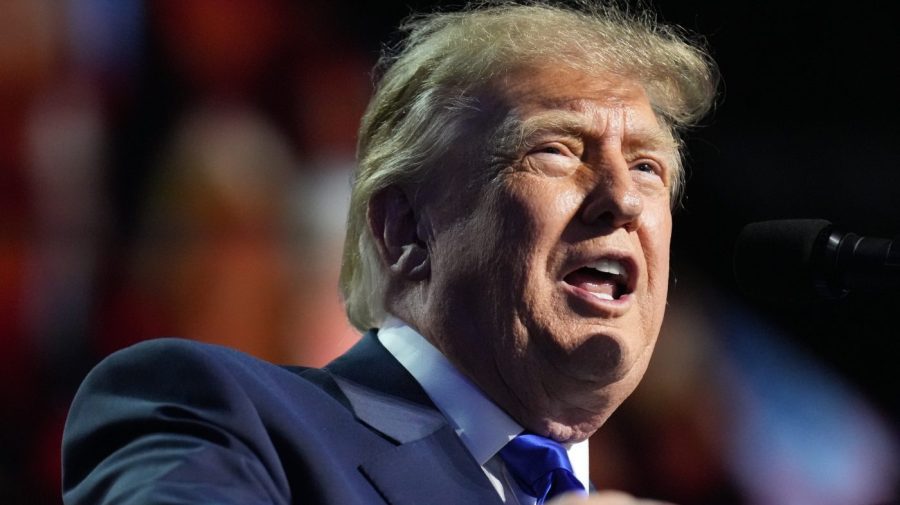
The declaration also highlights India's leadership among the Global South, emphasizing the need for reform in global institutions like the United Nations Security Council and international financial institutions to ensure greater representation for developing countries. However, the message to Donald Trump carries a warning about unilateral actions like his use of trade barriers.
While maintaining a strategic relationship with Washington remains vital, India's aim is not to replace one dependency with another but to foster a multipolar world.
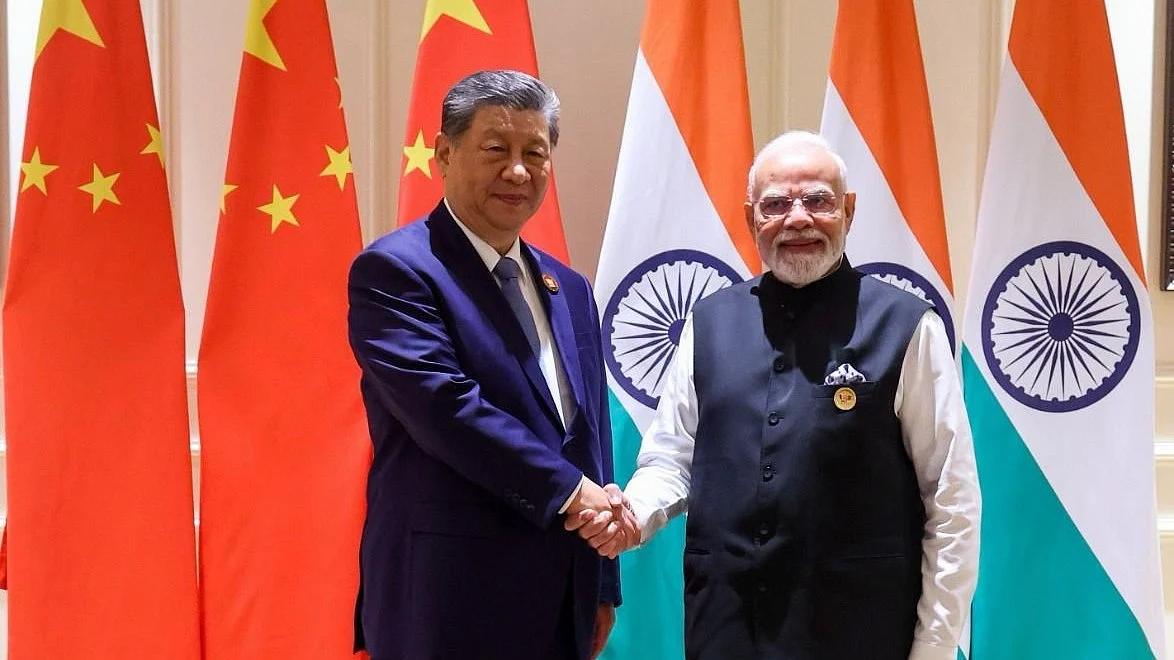
India's recent bilateral engagement with both China and Russia, following a period of military confrontation and distrust, adds another layer to its strategic balancing act. While the prospects for improved relations with China and Russia are promising, India must carefully manage the India-China-Russia triangle without becoming subordinate to any single relationship.
This delicate balancing act becomes even more complex with China set to assume the BRICS chair in 2027, a role that could either strengthen the grouping or exacerbate internal contradictions. For India, the key is to ensure BRICS remains an inclusive, consensus-driven platform focused on global development rather than becoming an instrument of great-power rivalry.
Written by urgent.news from Free Press Journal's reporting — not their text. Machine-written — may contain errors; check the original before relying on it.