Indian government reveals new system able to detect Chinese-made components in military drones
Indian Army launches AASHVAST offline lab to inspect military drones for hidden software flaws, tampered parts, and security risks.
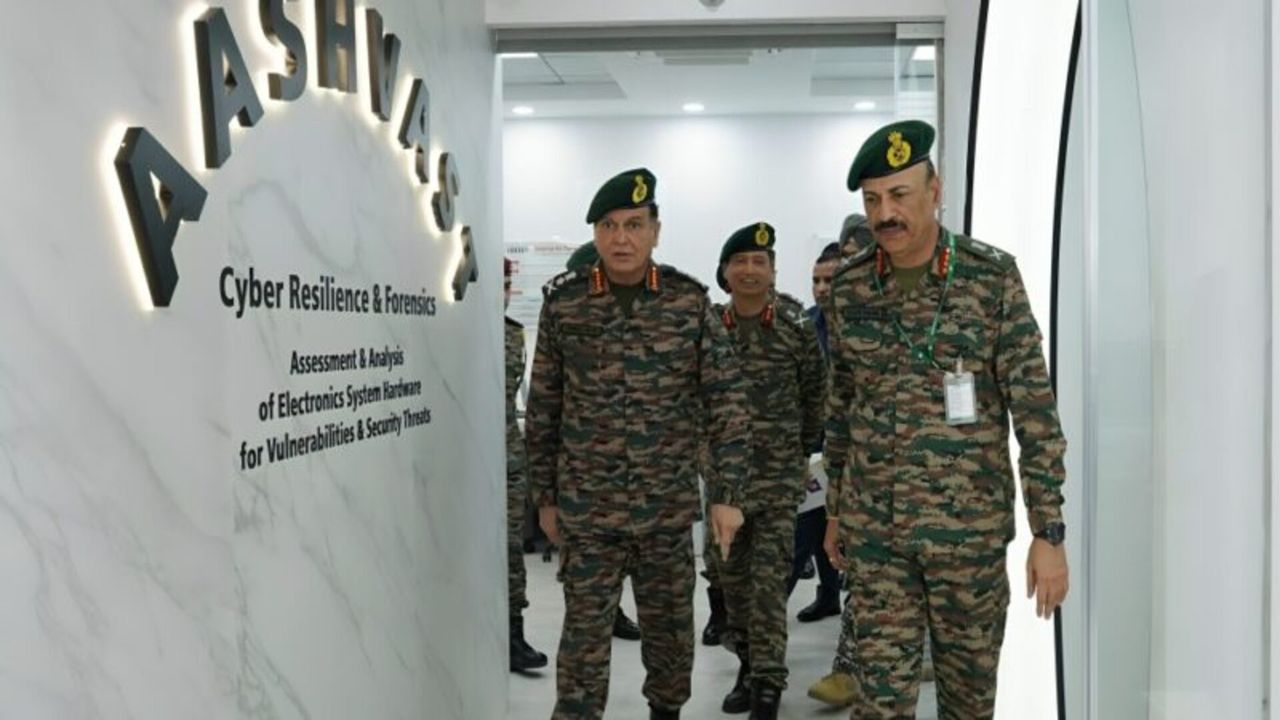
The Indian Army has inaugurated a new laboratory in New Delhi, aimed at detecting hidden vulnerabilities and unauthorized components in military drones. The Assessment and Analysis of Electronic Systems Hardware for Vulnerabilities and Security Threats (AASHVAST) facility utilizes specialized software developed by QuickPay Tech to scrutinize drone hardware for any discrepancies.
This facility focuses particularly on components originating from Chinese suppliers, as per new army protocols. Technicians within the lab are tasked with examining each drone's onboard controller, camera unit, and flight-control systems for concealed passwords, secret command pathways, and encryption keys that could provide unauthorized access.
The inspections are carried out offline, ensuring no data is copied or the drone's software is altered in any way. The primary goal is to verify that the components match the documentation and to confirm that only updates from the original manufacturer are installed. After the inspection, vulnerabilities found are ranked by severity and compiled into a single report for both the technician and the approving officer.
While the lab is part of the army's technical directorate, responsible for evaluating and repairing a range of military vehicles and systems, experts suggest that while this initiative strengthens cyber defenses, it does not guarantee a significant reduction in reliance on foreign-sourced drone components.
Written by urgent.news from TechRadar's reporting — not their text. Machine-written — may contain errors; check the original before relying on it.