‘I Moved Back to the Favela So I Wouldn’t Starve in the Housing Project’: An Ethnographic Account of the Olympic Resettlement Experience in Parque Carioca
Clique aqui para Português This article is part of our series reflecting on the impacts of mega-events on Rio de Janeiro 10 years after the 2016 Olympic Games. It was produced in partnership between RioOnWatch and [...]
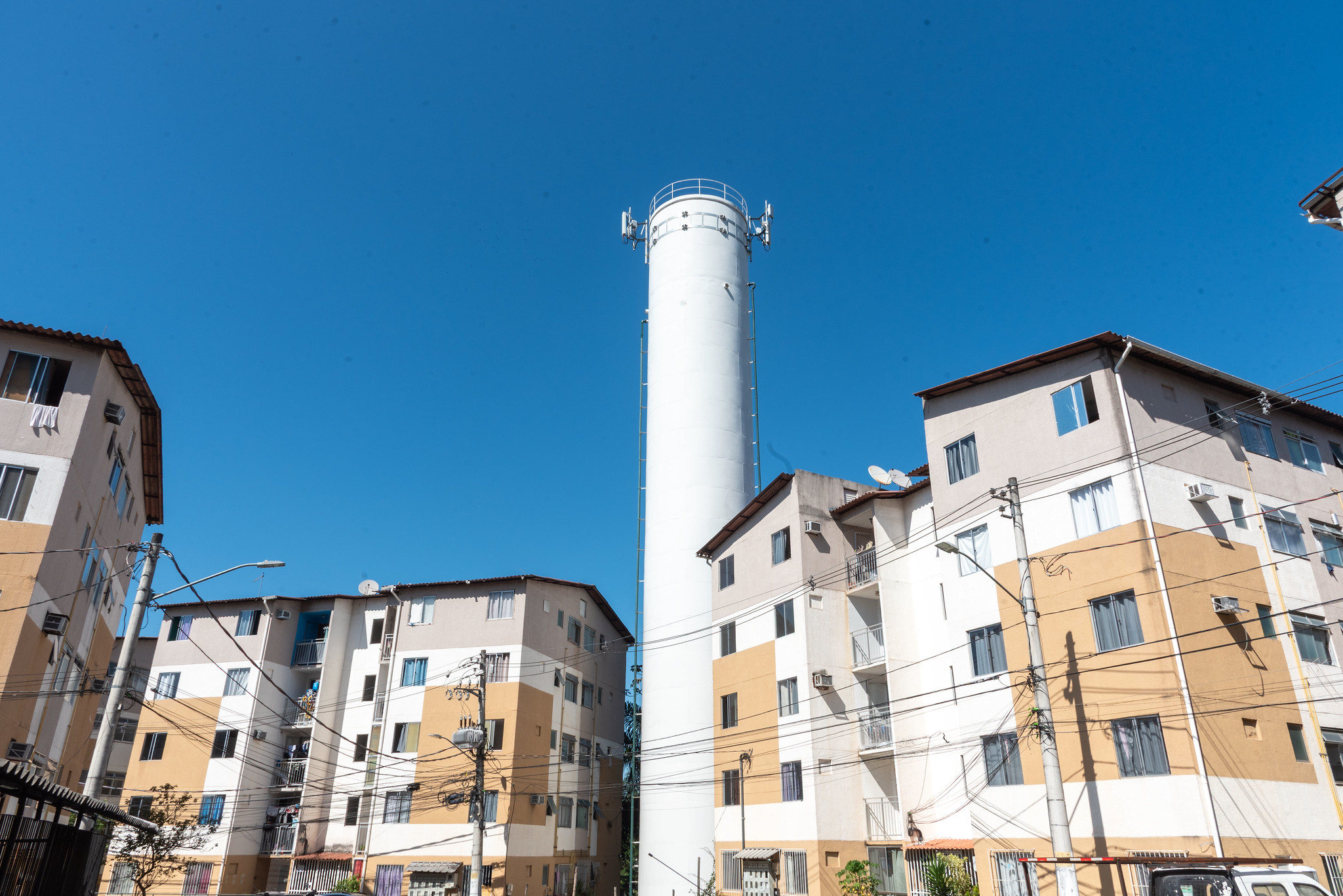
In the Parque Carioca public housing complex, which is now 10 years old since its construction following the 2016 Olympic Games, many residents like Arlinda have faced challenges. Arlinda, a 45-year-old woman who moved from the northeastern state of Paraíba to Rio de Janeiro, lived in the Vila Autódromo favela with her children and former husband for over 15 years.
The announcement of the favela's removal in 2012 led to negotiations over cash compensation and housing units, which required families to decide how to divide the compensation. Arlinda received a housing unit and her ex-husband received another, both living in the Parque Carioca complex.
Arlinda's eviction from the favela became an opportunity for her to gain residential autonomy after her marriage ended. Initially, she received a housing unit as compensation and her ex-husband received another. Despite her efforts to support her family, including selling food on the beach, she struggled to pay bills and expenses in Parque Carioca, such as electricity, gas, condominium fees, fire safety fees, property tax, and additional charges related to the housing complex and organized crime. As a result, she considered moving back to a favela where she would have lower expenses.
Written by urgent.news from RioOnWatch's reporting — not their text. Machine-written — may contain errors; check the original before relying on it.