How Congress Empowered Presidential War-Making After 9/11
Its effects continue to shape national security policy today.
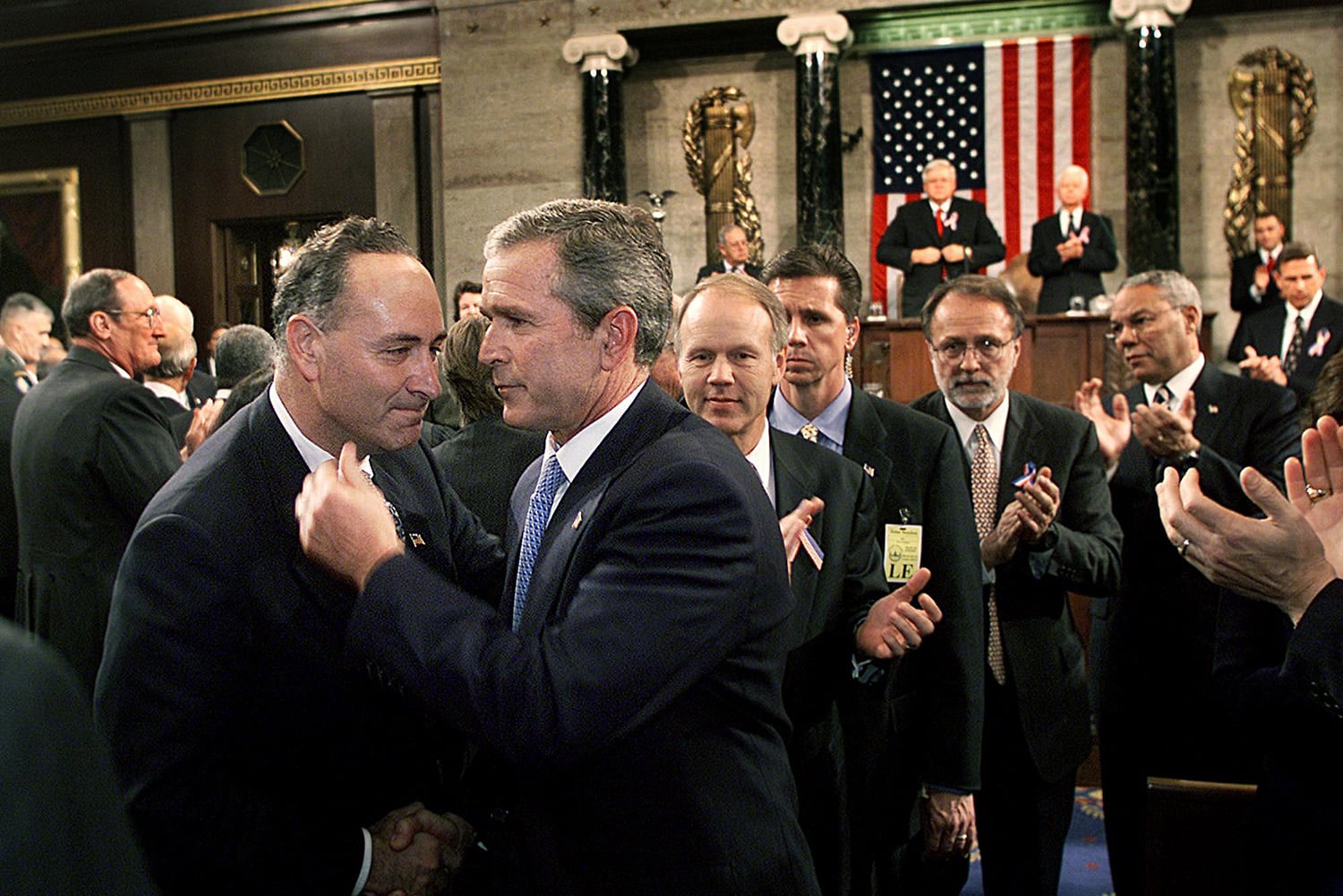
The aftermath of the September 11, 2001 terrorist attacks on the United States led to significant changes in the balance of power and civil liberties in America. Under the Bush administration, Congress passed the Authorization for Use of Military Force (AUMF), granting the president broad authority to use military force against those responsible for the attacks.
This decision effectively transformed the U.S. into a perpetual state of war, expanding the executive branch's power and eroding constitutional safeguards. The AUMF authorized the use of force against those who planned, authorized, committed, or aided the attacks, as well as any country that provided refuge to terrorists. While the language was slightly narrowed, the legislative structure effectively placed the president above Congress, enabling him to bypass constraints imposed by the War Powers Resolution of 1973.
The only dissenting vote in the House of Representatives came from California Democrat Barbara Lee, who warned that the legislation would create a dangerous precedent that would undermine the constitutional balance of power.
Written by urgent.news from Foreign Policy's reporting — not their text. Machine-written — may contain errors; check the original before relying on it.