High pay, high peril: Indian Kashmir still attracts migrant workers
Every spring, mason Mohammad Ghulam Sarwar boards a train to Indian Kashmir, seeking higher wages despite the risk of being targeted by militants in the disputed Himalayan region. Sarwar, 25, is one of an estimated half a million migrant workers who stream into the Himalayan region each year, forming the backbone of an economy increasingly reliant on labour from some of India’s poorest states.…
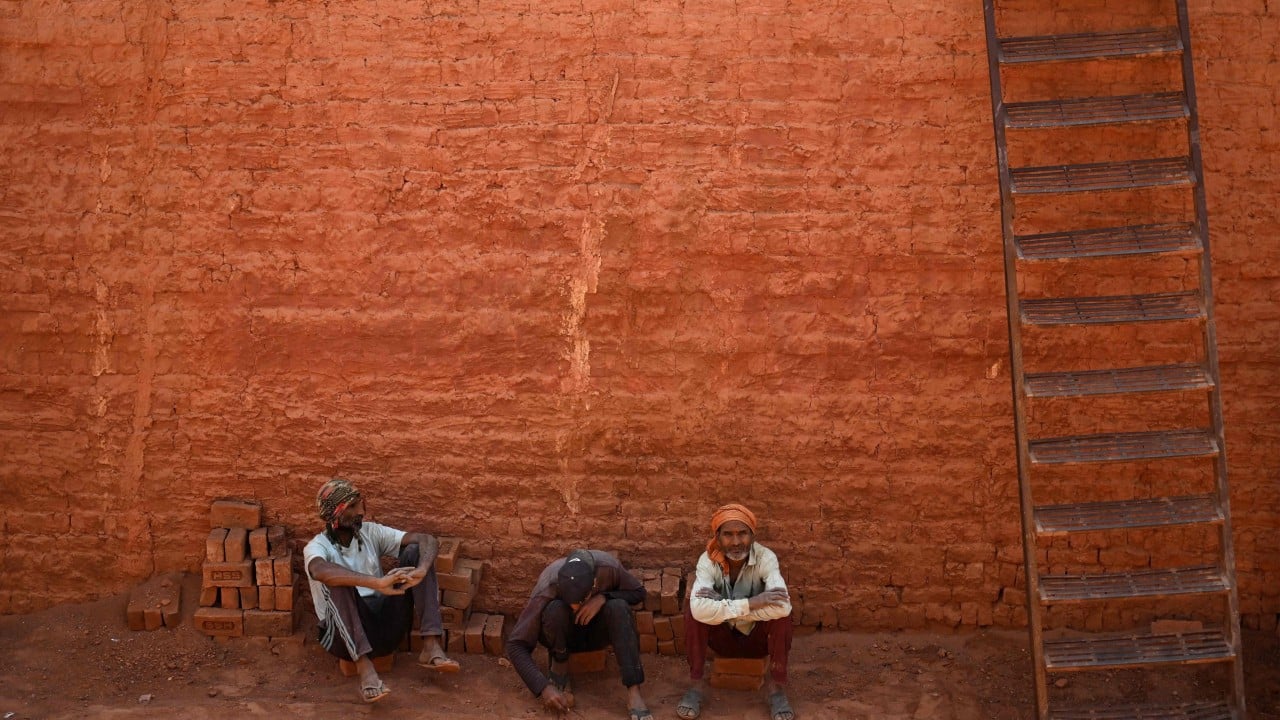
Every spring, skilled worker Mohammad Ghulam Sarwar travels to Indian Kashmir to find better-paying jobs, despite the threats from militants in the region. Sarwar, a 25-year-old from Bihar, is one of an estimated 500,000 migrant laborers who travel annually to the Himalayan territory to support the economy. The reliance on migrant labor has persisted despite decades of conflict and numerous attacks.
Since 2019, at least 24 migrant workers have been killed in such incidents, according to local reports, while over 1,500 people died in total during the same period, including 219 civilians. Last month, two brick kiln workers from Chhattisgarh were shot dead. However, Sarwar maintains that the benefits outweigh the risks. "Kashmir is a real paradise," he said.
"I will keep coming every year for as long as I can work." Workers like Sarwar earn about 1,200 rupees (US$12) per day in Kashmir, compared to around 700 rupees (US$7) in Bihar for the same labor. The Muslim-majority region, grappling with high unemployment, increasingly depends on outsiders for jobs like domestic work, farming, and construction.
Local businesses report a growing shortage of skilled labor. "Outside the handicrafts sector, we have almost no local workforce in Kashmir," said Mohammad Ashraf Mir, from the Kashmir Chamber of Commerce and Industry. "We see a trend towards absolute dependence on migrant workers." Every morning, laborers gather in Srinagar's main square to secure jobs.
Many stay for around eight months before leaving before winter sets in, when construction and agriculture slow down. Some migrate each year to escape the harsh conditions at home. Sarwar recalls seeing a barber from his home state killed by suspected rebels years ago, an incident that saddened him but did not deter him. "Life and death are in the hands of God," he said.
"If I remain afraid, I will have nothing. But if I overcome, I will have everything." Laborers in Srinagar live in crowded conditions, often sharing rooms with seven to 10 other workers, paying roughly US$5 per person per month. Security is tight, with paramilitary forces, armored vehicles, and police patrolling the area around the clock.
However, the security measures have made laborers soft targets in the past. Police recommend that laborers stay in clusters and avoid traveling at night. Some Hindu workers change their names to avoid being targeted. While many laborers claim to feel safe in Kashmir, others admit their fear of militants. Nonetheless, they remain committed to working there, citing better pay, favorable weather, and peaceful environments.
Written by urgent.news from South China Morning Post's reporting — not their text. Machine-written — may contain errors; check the original before relying on it.