Ground control
Governments are pouring record public sums into space. But the returns, and above all the rockets, still belong mostly to America and China. Space may well be the final frontier, but there’s money to be made on Earth, too, and a lot of that is public money. Governments around the world made a global public […] Ground control was originally published on Emerging Europe .
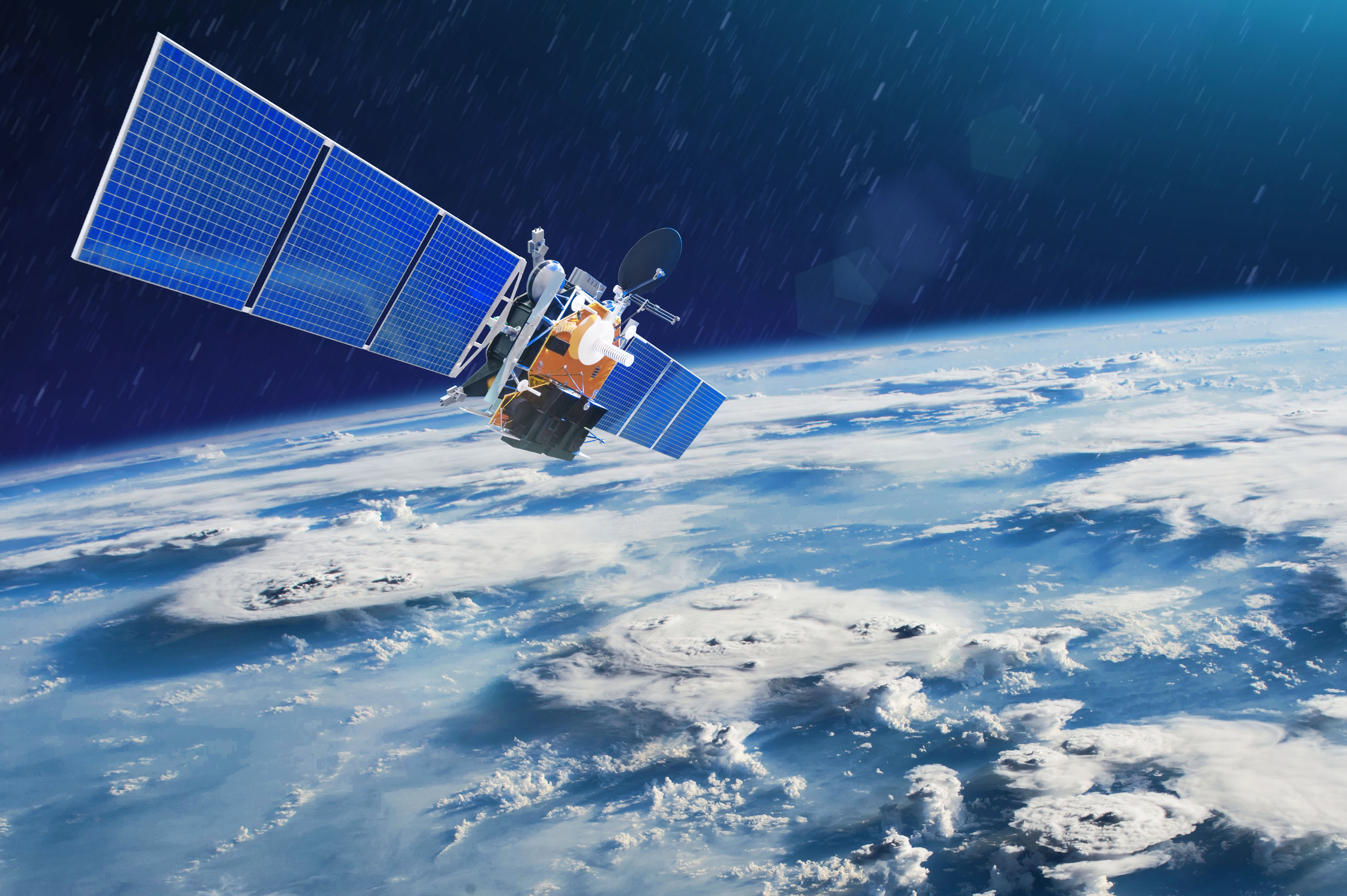
Governments worldwide are allocating increasing amounts of public funds to the space sector, with the European Space Agency (ESA) reporting a collective investment of 119 billion euros last year. The upstream sector, which involves spacecraft manufacturing and launch services, is valued at 75 billion euros, while the commercial downstream market, including satellite communications, Earth observation, and GNSS services, is worth around 490 billion euros.
The latter dominates, accounting for 77% of the market. Space-based systems support over half of the critical infrastructure and services in OECD countries, encompassing transport, energy, communication, and food supply. While space's direct contribution to GDP remains relatively modest, its strategic and economic importance extends far beyond the sector itself.
However, the capacity to launch and operate at scale remains heavily concentrated, with only 12 countries, including Europe through the ESA, possessing this capability by mid-2026. The United States leads in orbital launches, accounting for 55% of launches and 87% of launched objects in 2025, followed by China at 28% and 8.4%, respectively.
Europe's challenge lies in its limited ability to access the global launch and manufacturing market due to captive demand from institutional programs, particularly defense and human spaceflight. At the first International Space Summit held in Europe, leaders from the continent gathered to address this issue, announcing over 20 billion euros in announced investment and 51 signed deals.
France's President Emmanuel Macron advocated for shared rules to prevent an unregulated scramble, while the European Commission President Ursula von der Leyen revealed plans to expand the IRIS2 constellation to over 350 satellites. With European participation in the space economy broadening, the OECD emphasizes the importance of maintaining civil R&D investment for long-term competitiveness, as public funding priorities increasingly shift towards defense.
Written by urgent.news from Emerging Europe's reporting — not their text. Machine-written — may contain errors; check the original before relying on it.