Govt increases petrol by Rs4.42 per litre, HSD by Rs6.10 per litre amid rising global oil prices
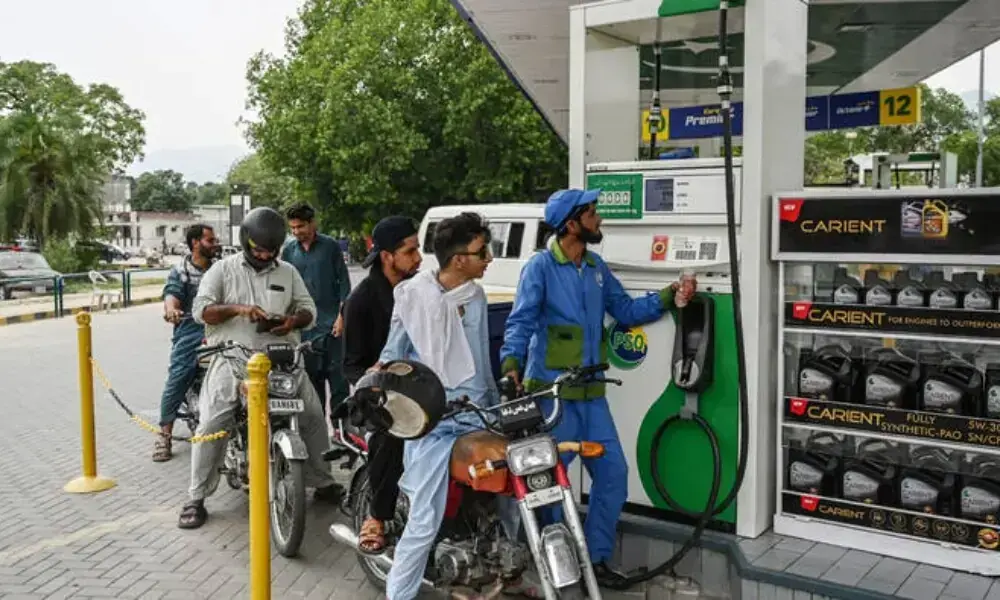
The government on Monday increased the price of petrol by Rs4.42 per litre and that of high-speed diesel (HSD) by Rs6.10 per litre. Following the revision, petrol will retail at Rs380.24 per litre while HSD will cost Rs409.42 per litre. The government continues to levy Rs114 per litre in taxes and duties on petrol and Rs100 per litre on diesel. According to the Petroleum Division’s notification,…
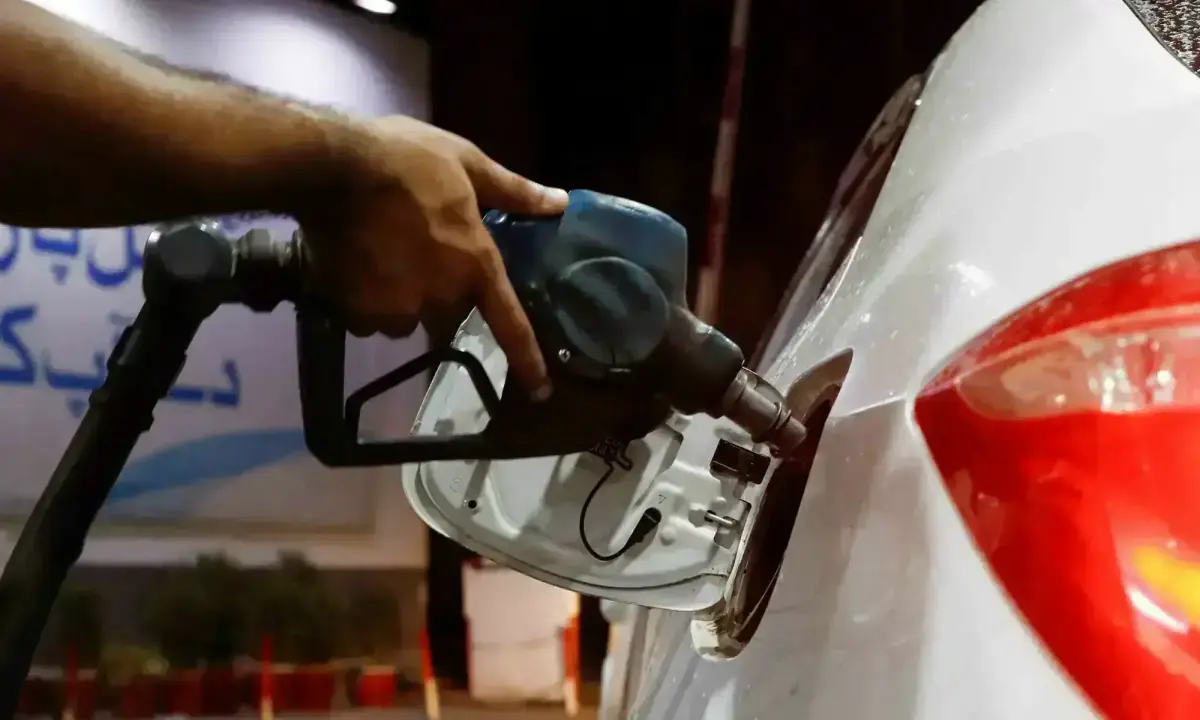
The Pakistani government announced on Monday a price hike of Rs4.42 per litre for petrol and Rs6.10 per litre for high-speed diesel (HSD) to combat rising global oil prices. Following this revision, petrol will retail at Rs380.24 per litre and HSD at Rs409.42 per litre. Tax remains at Rs114 per litre for petrol and Rs100 per litre for diesel. The new fuel prices will take effect from September 15, as per the Petroleum Division’s notification.
The HSD price has declined from its April 3 peak of Rs520.35, which began its upward trend from Rs281 per litre after the US-Iran war commenced on February 28. Petrol prices peaked at Rs458.41 on April 3 after starting at Rs266 in the first week of March.
In a bid to mitigate the impact of escalating global oil prices, Prime Minister Shehbaz Sharif unveiled a "relief scheme" on September 13. Under this scheme, owners of motorcycles, autos, and vehicles up to 800cc will receive a relief of Rs100 per litre on a monthly quota of 20 litres, while those of vehicles up to 800cc will get the same relief on a monthly quota of 30 litres.
On July 17, Petroleum Minister Ali Pervaiz Malik revealed that fuel prices would now be determined daily due to market fluctuations following renewed tensions between Iran and the US. Previously, fuel price revisions were announced weekly since early March, alongside fuel conservation measures amid potential oil supply disruptions due to the ongoing Middle East conflict.
In April, the government also announced targeted relief measures providing subsidized fuel. The cabinet and prime minister decided to entrust the Oil and Gas Regulatory Authority (Ogra) with the daily decision-making of fuel prices based on international market trends. Petrol, primarily used in private transport, small vehicles, rickshaws, and two-wheelers, affects the middle and lower-middle classes, while diesel price changes impact the public at large, as it is mainly utilized in heavy transport, power plants, and large generators.
Petrol and HSD are the primary revenue earners, with monthly sales of around 700,000 to 800,000 tonnes, compared to the modest 10,000 tonnes demand for kerosene.
Written by urgent.news from Dawn's reporting — not their text. Machine-written — may contain errors; check the original before relying on it.