Deepfake semakin licik, bolehkah data menyelamatkan kita?
Ketika AI mampu meniru wajah, suara dan pergerakan manusia dengan semakin meyakinkan, data menjadi antara benteng penting untuk membezakan fakta daripada kepalsuan.
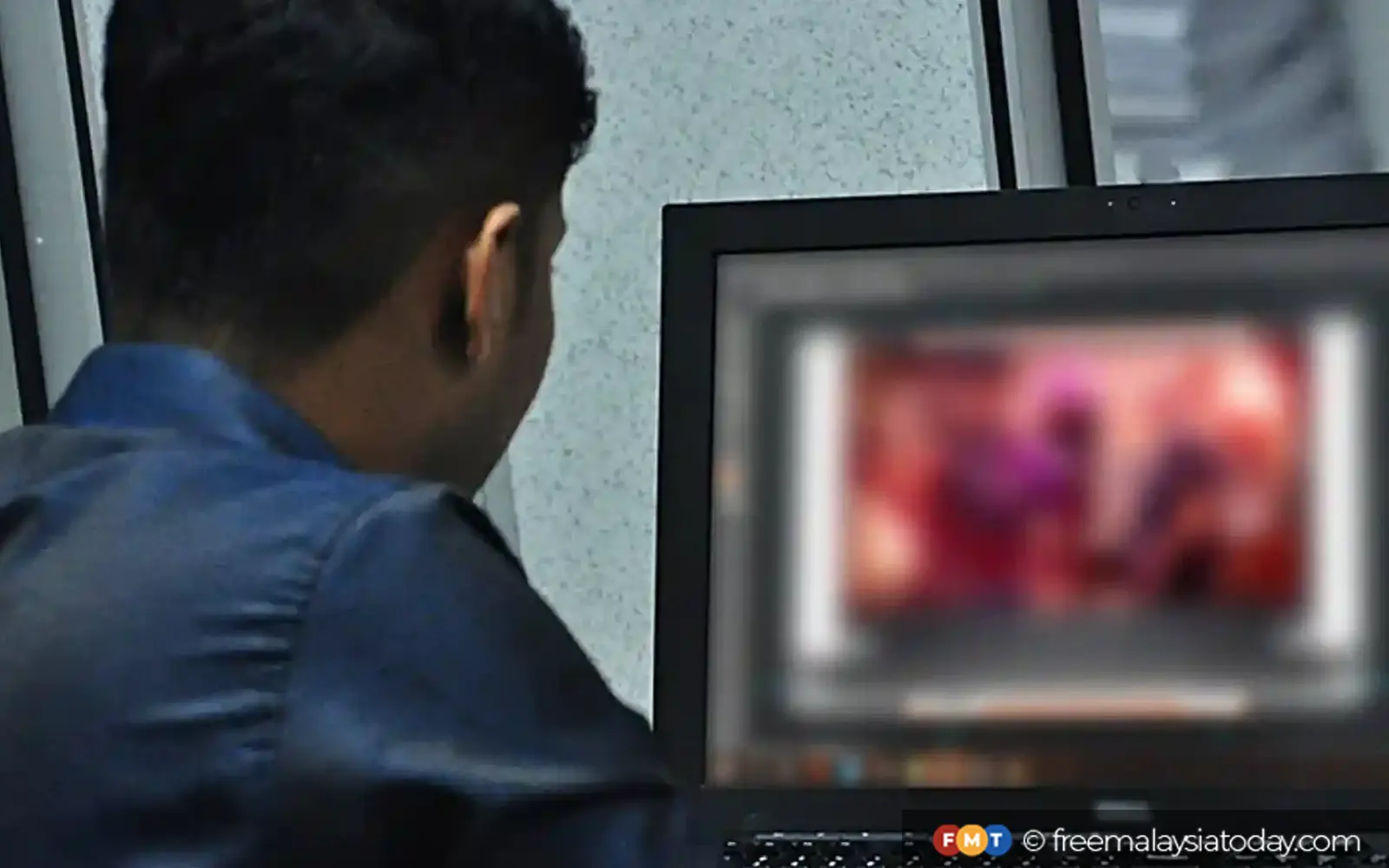
Deepfake technology has become increasingly sophisticated, posing serious threats to trust, safety, and finances of society. In Malaysia, concerns over false content and deepfakes have been on the rise, with the Communications and Multimedia Commission Malaysia (SKMM) receiving 917 complaints in 2024, 3,612 in 2025 and a peak of 7,967 complaints by June 15, 2026.
Over 12,500 complaints related to AI misuse have been received since 2024, while more than 11,600 fake content or deepfakes have been removed from social media platforms following user complaints.
At first, we trust what we see and hear. Seeing a photo of someone, we assume they are really there; hearing a friend's voice asking for help, we believe the voice is coming from them. Seeing a famous personality speaking in a video, we easily accept their statements as genuine. Deepfake disrupts this basic trust. With generative AI technology, a person's face can be swapped with another's, their voice can be mimicked, their facial expressions altered, and they can appear as if they are saying or doing something that never happened.
More worrying, this technology is becoming easier to access. So, the question is no longer whether AI can create false videos. The bigger question is how we can identify whether what we see and hear is real or fake.
Deepfake is not just a technology issue; it touches on trust. Imagine if we no longer trust videos of leaders, doubt recordings of family members' voices, or question every image and news shared on social media. Worse, deepfake can not only create false information but also sow doubt about what is genuinely true. This is what makes the technology so dangerous. Con artists don't always need to produce a perfect video. They just need to create content convincing enough to make someone believe and act.
In Malaysia, real-life examples show how the technology is being used for deception. In January 2025, police intercepted five deepfake videos linked to investment scams. These videos featured prominent figures like Malaysian Prime Minister Anwar Ibrahim, US President Donald Trump, and Tesla CEO Elon Musk appearing to endorse specific investment schemes promising returns of up to 100 times.
The Securities Commission Malaysia (SC) also warned that such videos could be used to lure victims into clicking links or handing over money and personal information.
So, can data save us? Instead of relying on "something looks fishy," data-driven evidence becomes crucial. Every image, video, and audio recording contains various digital patterns and features that can be analyzed. For example, in a video, AI can examine facial movements, lighting, skin texture, eye movement, and the synchronization between voice and lip movements.
Audio recordings can be analyzed based on frequency, intonation, tempo, and voice characteristics. Minor patterns that might go unnoticed by humans can be significant clues in identifying manipulated content. Simply asking, "Does this video look suspicious?" is not enough anymore. Instead, data science asks, "What patterns in this video differ from genuine content?" The answer lies in analyzing the subtle differences that data reveals.
Written by urgent.news from Free Malaysia Today's reporting — not their text. Machine-written — may contain errors; check the original before relying on it.
This story
This is one outlet's version. Read the fullest account.
- Deepfake semakin licik, bolehkah data menyelamatkan kita? freemalaysiatoday.com