Deepfake semakin licik, bolehkah data menyelamatkan kita?
Ketika AI mampu meniru wajah, suara dan pergerakan manusia dengan semakin meyakinkan, data menjadi antara benteng penting untuk membezakan fakta daripada kepalsuan.
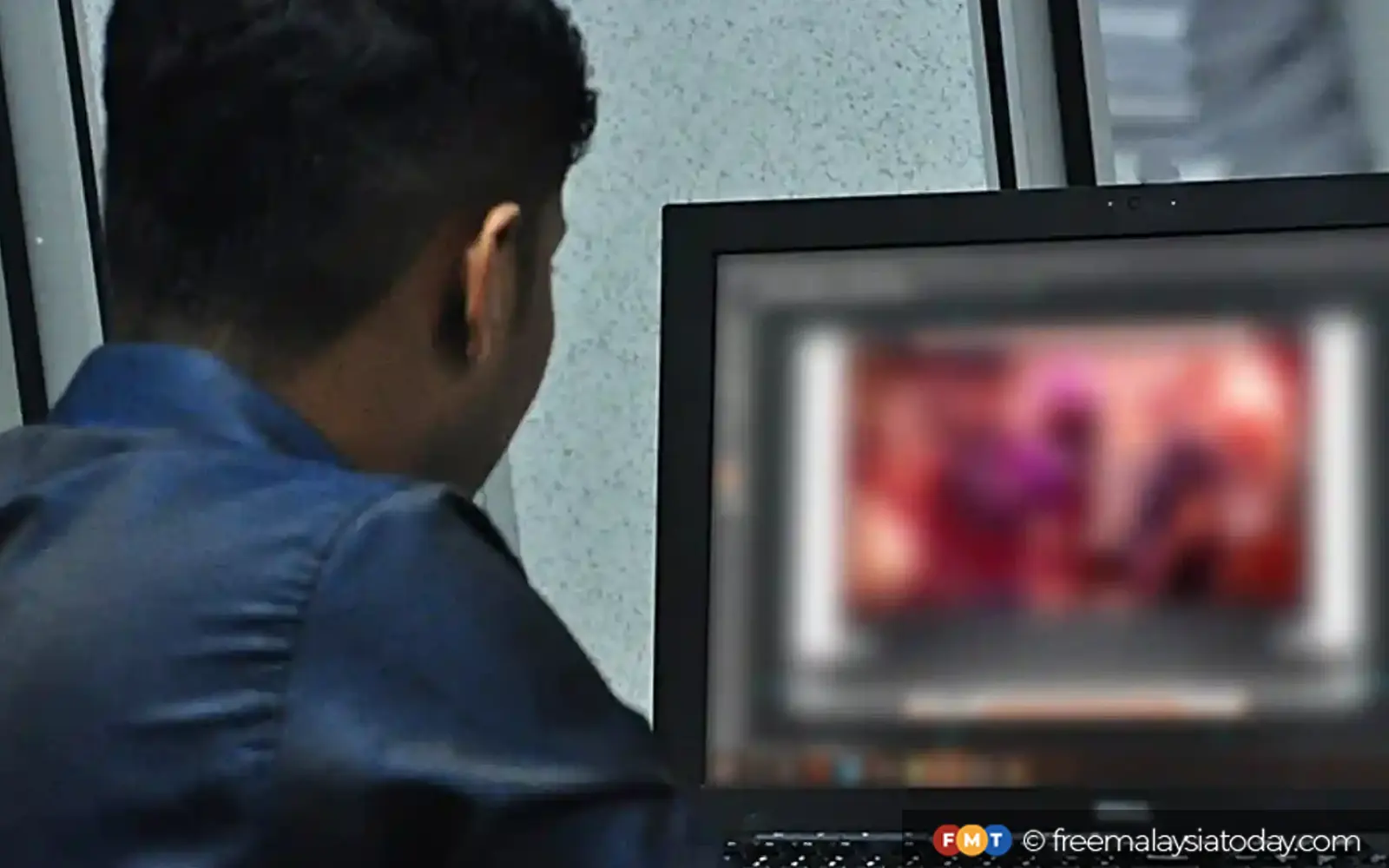
Deepfake technology has become increasingly sophisticated, raising concerns about its potential to deceive. In Malaysia, the issue has become a pressing reality, with the number of complaints about false content and deepfakes surging in recent years. The Communication and Multimedia Commission Malaysia (SKMM) received nearly 12,500 complaints related to AI misuse since 2024, and over 11,600 fake content or deepfakes were removed from social media platforms following these reports.
The core problem lies not in the technology itself, but in its implications for trust, safety, and finances. As technology advances, identifying deepfakes has become a challenge. While creating AI-powered solutions can help, the real issue is deeper – it touches upon the very foundation of trust. Imagine a scenario where we no longer trust videos from leaders, question recordings of family members, or doubt every image and news shared on social media. The consequences could be far-reaching.
Moreover, deepfakes aren't just about generating fake information; they can also sow doubt about genuine information. This is what makes them so dangerous. Threat actors don't necessarily need to produce flawless fakes; they just need to create content convincing enough to make people believe and act. In Malaysia, real-life examples show how this technology has been used for investment scams.
In February 2025, police intercepted five deepfake videos allegedly endorsing fraudulent investment schemes featuring prominent figures, including Malaysia's Prime Minister Anwar Ibrahim, US President Donald Trump, and Tesla CEO Elon Musk.
These videos were designed to lure unsuspecting victims into investing, promising returns of up to 100 times their initial investment. The Singapore Cyber Security Agency (SC) has warned that such videos could be used to trick victims into revealing personal information or transferring money. Similar cases have also targeted local celebrities, such as singer Siti Nurhaliza, whose face and voice were manipulated using AI in a video that appeared to be a genuine appeal.
The danger lies not just in creating falsified content but in borrowing the identity and credibility of individuals to build trust in the audience. A simple visual or auditory cue may not be enough to discern the authenticity of a deepfake, but data analysis can provide crucial insights. By examining patterns in facial movements, lighting, skin texture, eye movements, and the synchronization between voice and lip movements in videos, as well as analyzing audio frequencies, intonation, tempo, and other vocal characteristics, analysts can identify subtle discrepancies that indicate manipulation.
In essence, while human intuition might prompt the question, “Does this video look suspicious?” data science asks, “What patterns in this video differ from genuine content?” The latter approach goes beyond relying on visual and auditory cues and seeks evidence based on data. Therefore, the question arises: Can data save us from falling prey to deepfakes? The answer lies in leveraging data-driven insights to distinguish between authentic and manipulated content.
Written by urgent.news from Free Malaysia Today's reporting — not their text. Machine-written — may contain errors; check the original before relying on it.
Also reported by 1 other outlet
- Deepfake semakin licik, bolehkah data menyelamatkan kita? freemalaysiatoday.com