An injured colonel, 90 elite soldiers, CIA’s support: What it took to rescue a US pilot from Iran
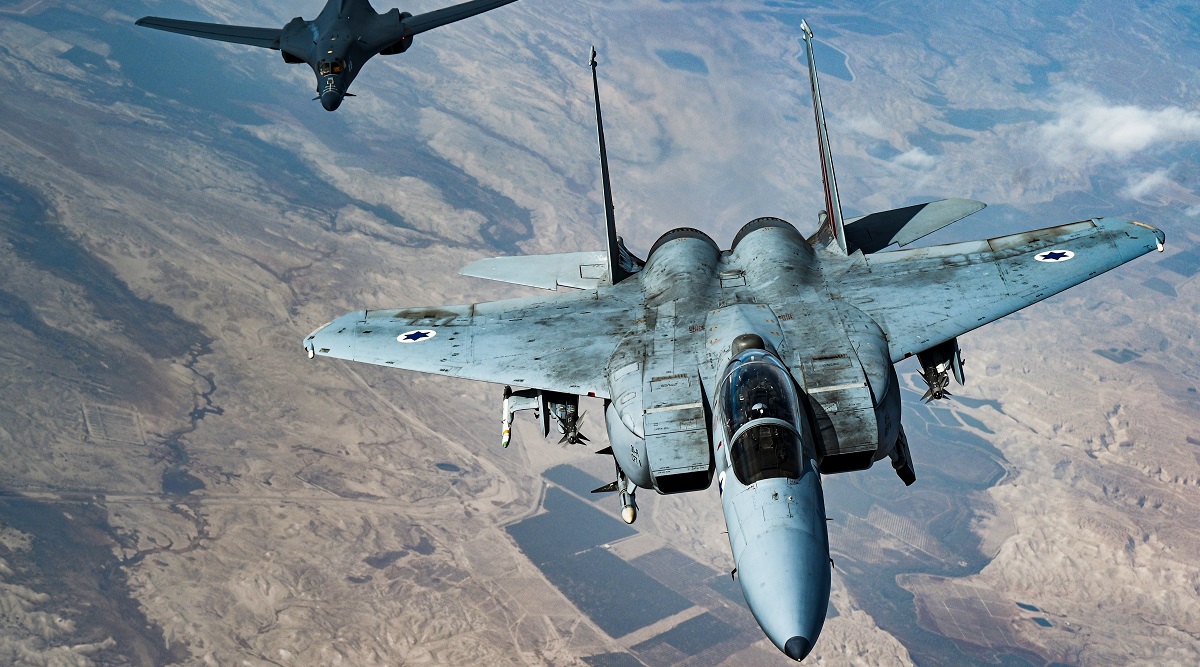
Five months following a US fighter jet being downed over Iran, a US Air Force colonel has detailed the sequence of events that culminated in his rescue, which occurred two days post-crash. The Airman, serving as the co-pilot aboard an F-15E Strike Eagle jet near Isfahan, was on a mission to attack an Iranian arms facility late on April 2 when the aircraft was targeted by a shoulder-fired missile.
The pilot accompanying the colonel, designated as "Dude 44," recounted his first memory of the crash, stating he was in a free fall at speeds ranging from 112 km/h to 160 km/h while his parachute was damaged. He expressed terror upon realizing there was no parachute and prayed silently for divine intervention. Following the plane's ordeal, the two pilots ejected, but their trajectories diverged, leading to separate rescues.
The pilot who landed intact, identified as "Alpha," was extricated from the scene six hours post-collision with the aid of American helicopters. Meanwhile, the colonel, Bravo, faced a more arduous ordeal after sustaining severe injuries during the high-velocity descent, including a broken back, an arm, and a shoulder. The F-15E jet, a dual-purpose aircraft utilized for both air-to-air and air-to-ground operations, was tragically brought down by a missile in a mountainous region south of Isfahan, home to Iran's highly enriched nuclear materials.
The mission's objective was to strike industrial facilities linked to Iran's drone and missile program, valued at $30 million. The missile's impact left a stark impression, likened by Bravo to being struck by a freight train. Both pilots made valiant efforts to salvage the aircraft, ultimately deciding to eject. The stranded colonel found himself in the heart of arid valleys and cliffs, with his only means of escape being to ascend a cliff despite his injuries.
Bravo's interview with CBS News' 60 Minutes program revealed his internal struggle, acknowledging the necessity for motivation amidst his dire situation. Simultaneously, in the United States, Defense Secretary Pete Hegseth was awakened at midnight to receive updates on the incident, with his primary concerns revolving around the welfare of the crew and whether the Iranians were aware of the stranded pilots.
He emphasized that "whether they're alive or not, we're going to go get them," setting the stage for a daring rescue operation involving the 90 most elite personnel of the US military, further bolstered by intelligence support from the CIA.
Written by urgent.news from The Indian Express's reporting — not their text. Machine-written — may contain errors; check the original before relying on it.