When your blood type is 1 in 1,000
For a small group of donors, an unusual blood profile means their donation could one day be the exact match a patient desperately needs.
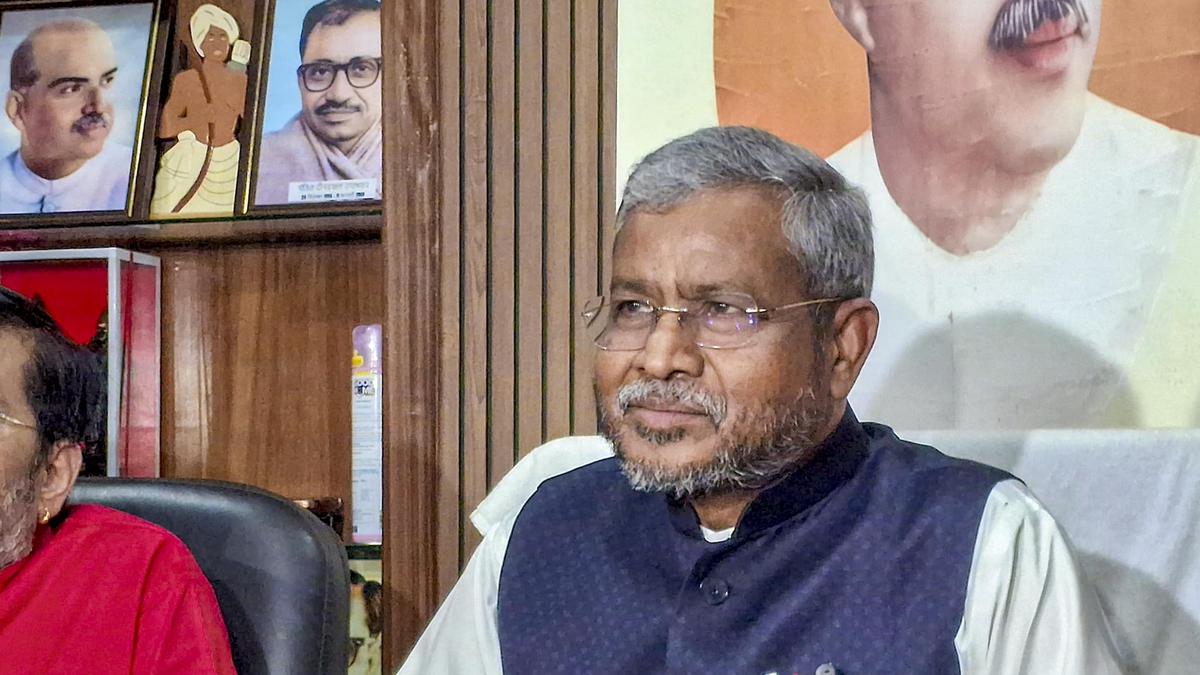
When Mohd Fazrey Erwan Rasidi learned his blood type was rare, he was initially surprised. The 35-year-old had donated blood eight times since 2010 without realizing his blood was unusual. Fazrey's brothers, Wan Muhammad Faaiz Jazuli and Wan Muhammad Ashraf Jazuli, also discovered they had rare blood types. Faaiz was identified as having Parabombay A blood, while Ashraf had Parabombay blood.
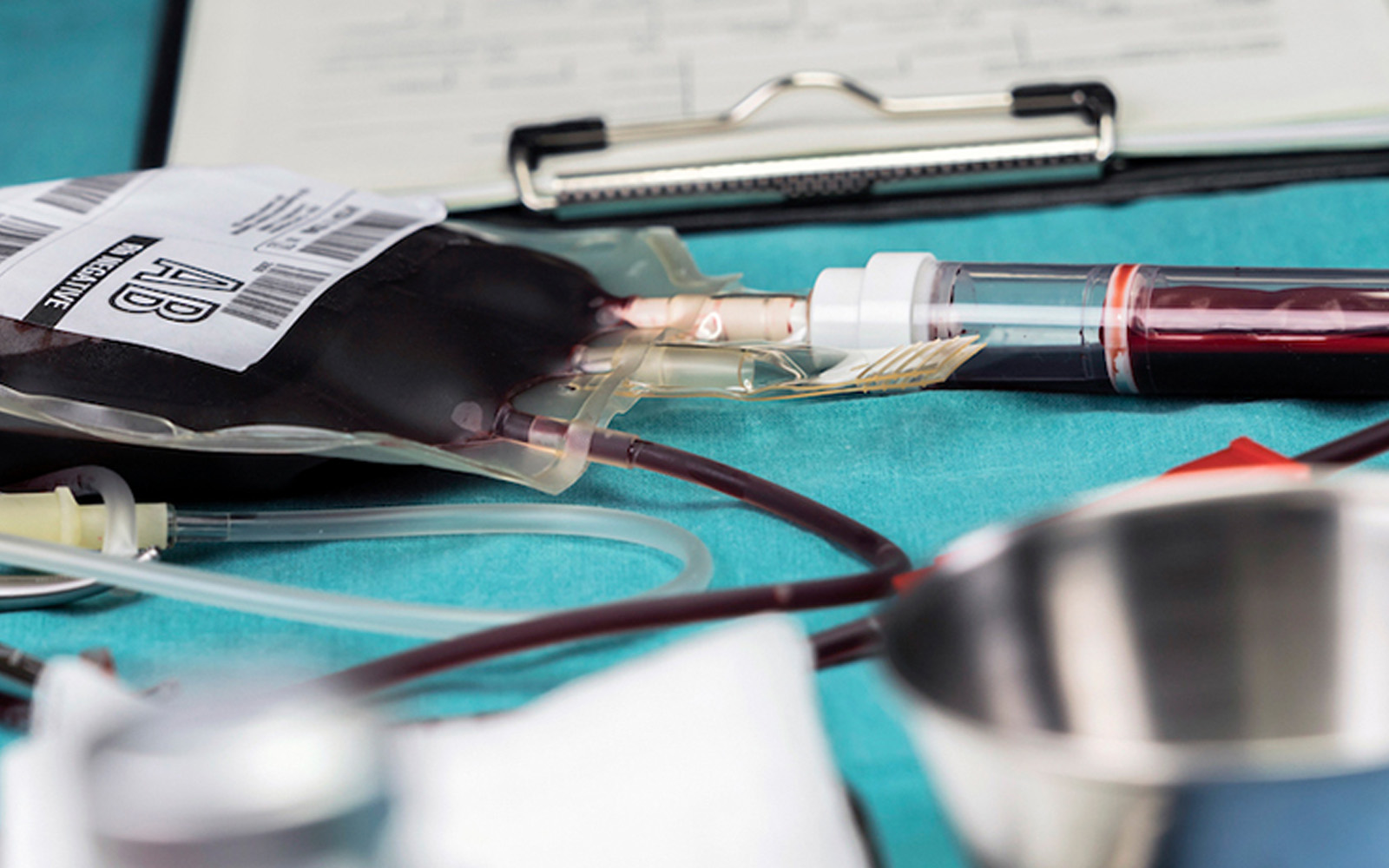
Having rare blood doesn't imply any health issues; it's simply a combination of antigens on the surface of red blood cells. A blood type is deemed rare when it occurs in about one person out of 1,000 in a specific population. Transfusion medicine specialist Dr Sarah Mat Noh explained that finding a compatible donor for rare blood types can be challenging, making donor registries crucial.
While most are aware of the ABO and Rhesus blood groups, there are approximately 43 recognized blood group systems worldwide. For rare types, donated red blood cells can be frozen and stored for up to 10 years. Not all rare donors are called upon frequently, as demand depends on whether a patient with a matching blood type needs a transfusion.
In Fazrey's case, his O positive blood also carries an uncommon R1R1, KK phenotype. In Perak, four Bombay blood group patients and five Parabombay patients have been identified, with four Parabombay donors currently registered. For individuals like Faaiz and Ashraf, their rare blood type means it may remain unused for extended periods until needed by someone specific.
Written by urgent.news from Free Malaysia Today's reporting — not their text. Machine-written — may contain errors; check the original before relying on it.
This story
This is one outlet's version. Read the fullest account.
- When your blood type is 1 in 1,000 freemalaysiatoday.com