When your blood type is 1 in 1,000
For a small group of donors, an unusual blood profile means their donation could one day be the exact match a patient desperately needs.
When Mohd Fazrey Erwan Rasidi learned that his blood type was rare, his initial reaction was astonishment. The 35-year-old had donated blood eight times since 2010, yet was unaware that his red blood cells contained an uncommon antigen combination. "I was quite surprised, but I feel grateful and happy if my blood can help others," he shared.
Fazrey's brother, Wan Muhammad Faaiz Jazuli, experienced a similar revelation. Faaiz discovered he had Parabombay A blood after initially testing for groups A and O. "In a family of five, only my brother and I have different blood types, while my other family members are normal," he noted.
For individuals like Fazrey, Faaiz, and Ashraf, their rare blood type refers to the unique combination of antigens on the surface of their red blood cells. A blood type is considered rare when it occurs in approximately one person out of every thousand in a specific population. This genetic inheritance means that a rare blood type may be common in one population while rare in another.
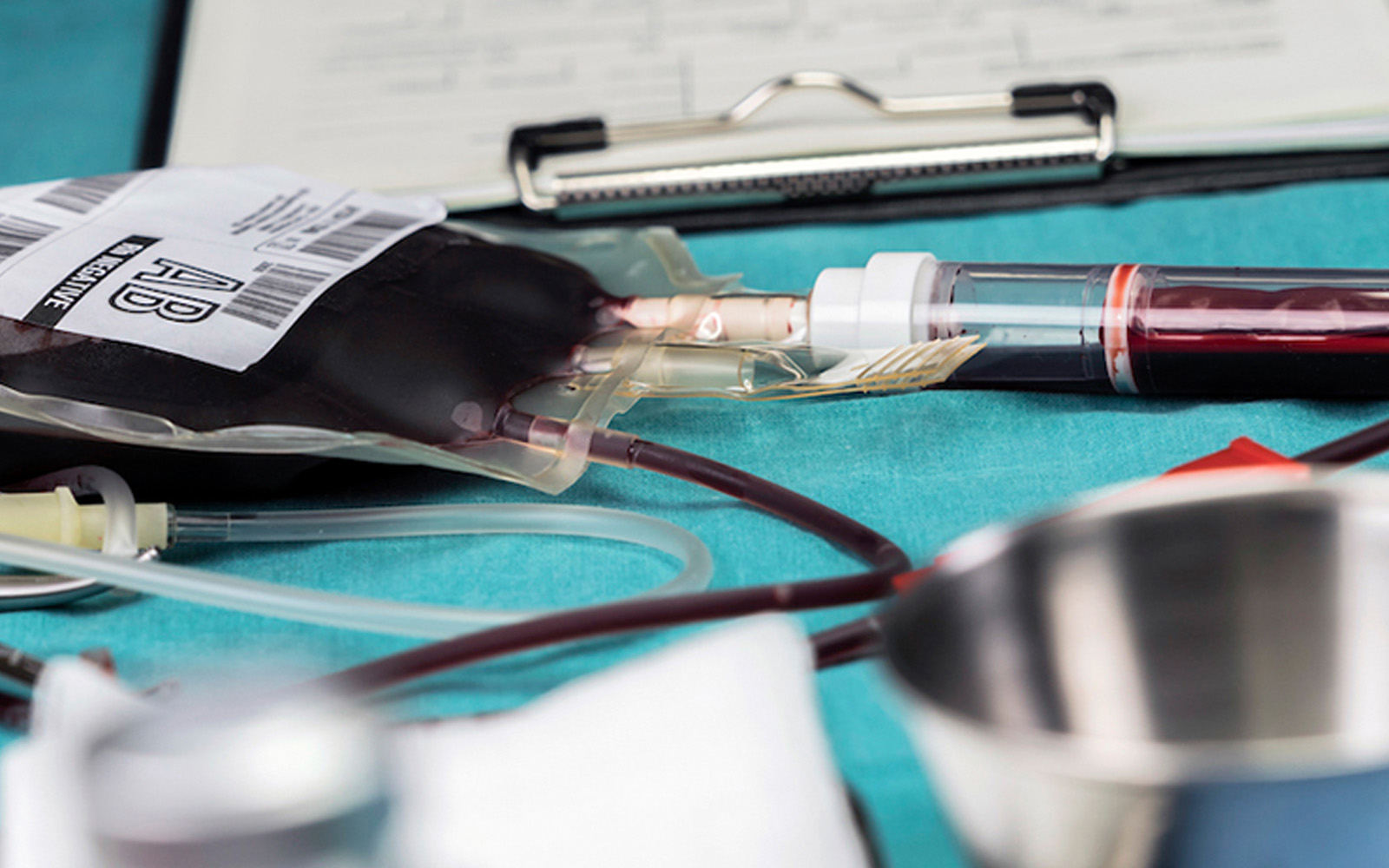
Transfusion medicine specialist Dr Sarah Mat Noh explained that a blood type being rare can pose challenges during transfusions. Finding compatible donors may be difficult, making accurate identification and donor registries crucial. While most people are familiar with ABO and Rhesus blood groups, there are around 43 recognized blood group systems worldwide.
Certain rare blood types can be frozen at the National Blood Centre and stored for up to a decade, enabling them to be utilized when a suitable patient is in need. For many donors, offering blood is a simple act that can profoundly impact an unknown recipient. Fazrey's O positive blood also carries an uncommon R1R1, KK phenotype - an antigen characteristic not frequently found in the general population.
So far, in Perak, four Bombay blood group patients and five Parabombay patients have been identified, with four Parabombay donors currently registered. For donors like Faaiz and Ashraf, their rarity means their blood may remain unused for extended periods until suddenly needed to save a specific patient's life.
Written by urgent.news from Free Malaysia Today's reporting — not their text. Machine-written — may contain errors; check the original before relying on it.
Also reported by 1 other outlet
- When your blood type is 1 in 1,000 freemalaysiatoday.com