TREKKIE TOWN: SA goes boldly into space race despite technical black holes
South Africa is a country with the best intentions, but has massive blind spots in its vision. Space is no different.
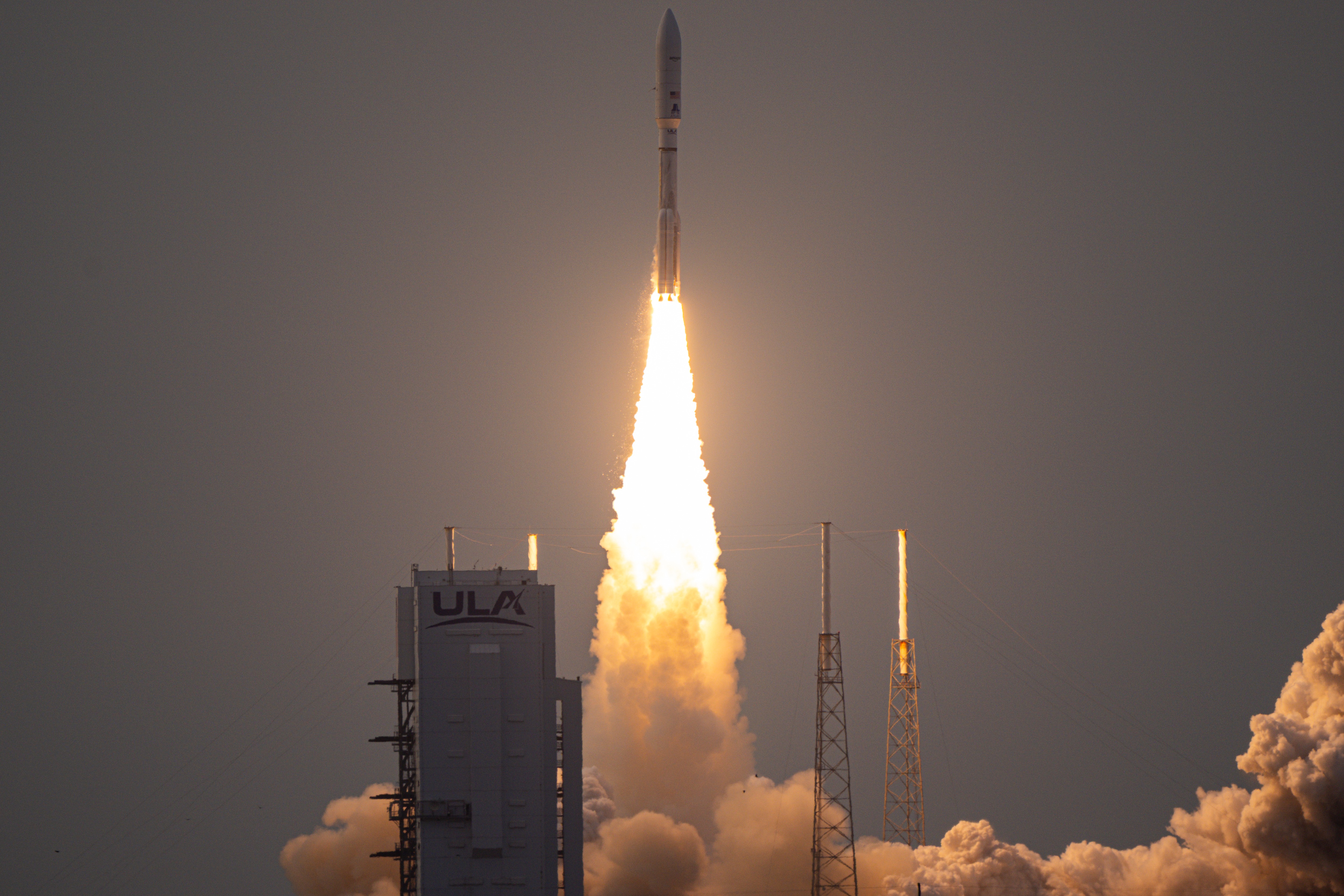
South Africa's ambitions in the space race continue despite technical hurdles. In 2015/2016, the government commissioned a National Satellite Communication Strategy to reduce dependence on foreign satellite providers and safeguard national sovereignty. The strategy's rationale is clear: South Africa spends around R30-billion annually on foreign communication services, with direct costs exceeding R1-billion for foreign satellite capacity.
In contrast, a locally owned telecommunications satellite with a 20-year lifespan is estimated to cost about R6-billion.
In April 2025, government officials released South Africa's roadmap to establish a sovereign satellite capability. However, the nation's space industry faces significant technical constraints, according to Natasha van Rooyen, an industrial policy strategist and space compliance expert. South Africa's space sector suffers from shortfalls in systems engineers, limited manufacturing capacity, and outdated infrastructure.
These challenges are exacerbated by the rapid pace of technological advancements, as global demand for satellite technologies surges.
Van Rooyen highlights the absence of a dedicated technical standards committee for the space industry within the South African Bureau of Standards (SABS). This oversight hampers regulators like the Independent Communications Authority of South Africa (Icasa) from defining ground station licensing, dual-use infrastructure, cybersecurity, and data sovereignty requirements. Additionally, the lack of a technical standards committee creates regulatory challenges and injects uncertainty into potential investments.
Minister of Digital Communications and Digital Technologies Solly Malatsi advocates for the space economy as a means of socioeconomic inclusion and economic sovereignty. He emphasizes that Africa's role in the global space economy must be determined by African nations through deliberate policy. In July 2026, the South African National Space Agency (Sansa) officially launched Decision Support Tools showcasing new Earth Observation capabilities, demonstrating the nation's commitment to advancing its space sector.
Written by urgent.news from Daily Maverick's reporting — not their text. Machine-written — may contain errors; check the original before relying on it.