Fall stargazing 2026: The best skywatching sights in autumn (and how to see them)
As longer nights draw in over the fall, we see the return of some stargazing favorites, including the Andromeda Galaxy, the Pleiades star cluster and the first supermoon of the season.
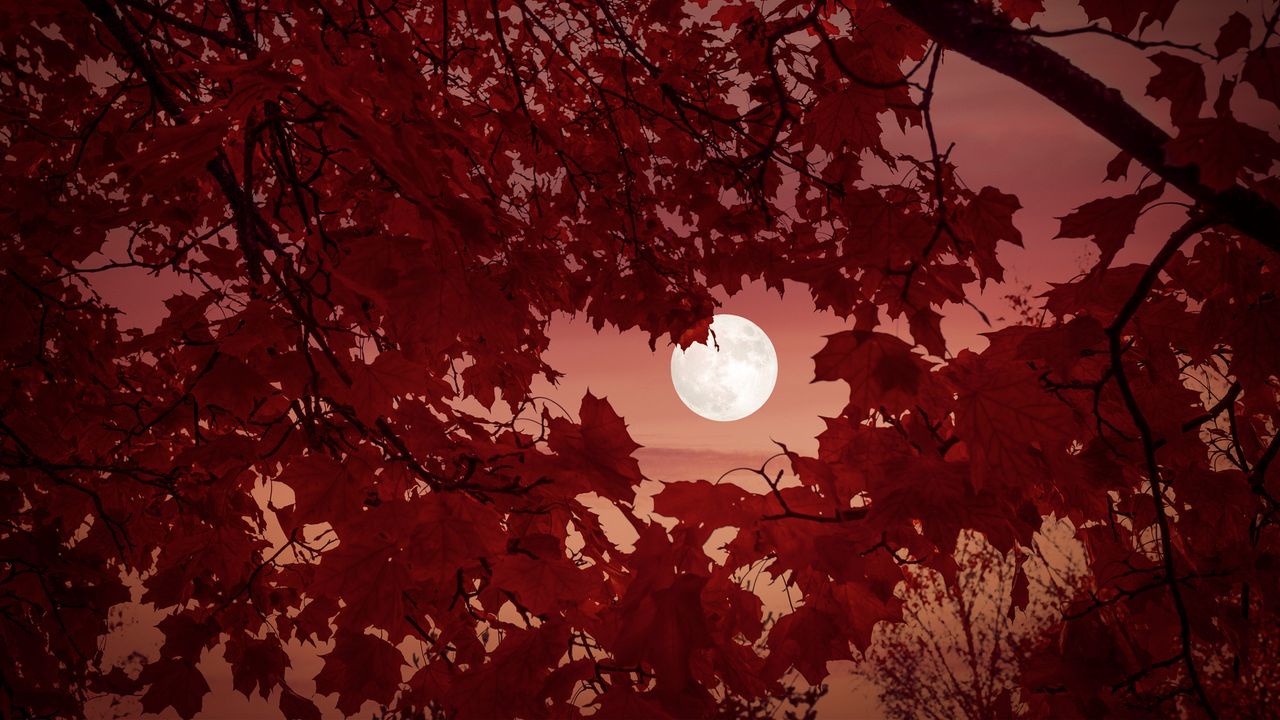
As autumn arrives, many enthusiasts will dust off their telescopes and binoculars, eager for the extended nights that come with the season. Shorter days mean more time for stargazing, and we'll start to see some of our beloved celestial sights return after their spring hiatus. This season is perfect for casual observers, with milder weather and longer evenings to enjoy the outdoors.
Even those new to stargazing can enjoy the season, as many celestial objects are visible with the naked eye, and some are best viewed that way.
From September through November, there are several notable events to look out for. First, Neptune reaches opposition on September 26 at 02:00 UTC, which is the ideal time to view it at its brightest, a magnitude of +7.8. Despite its beauty, Neptune can be difficult to spot, even with a telescope at least 6 inches in aperture. Saturn follows closely on October 4 at 12:00 UTC, shining at magnitude +0.3, and will be easily visible to the naked eye.
To see Saturn's rings or its largest moons, a telescope is necessary. Uranus arrives on November 25 at 23:00 UTC, but the nearly full moon will make it hard to see, so waiting until the new moon week is recommended. Lastly, November 24 brings the first full supermoon of fall/winter, when the bright Beaver Moon will illuminate the sky, shining about 15% brighter than a regular full moon.
Written by urgent.news from Live Science's reporting — not their text. Machine-written — may contain errors; check the original before relying on it.