Telangana wants its next generation of doctors trained in robotic surgery, plans six-month training for PG students
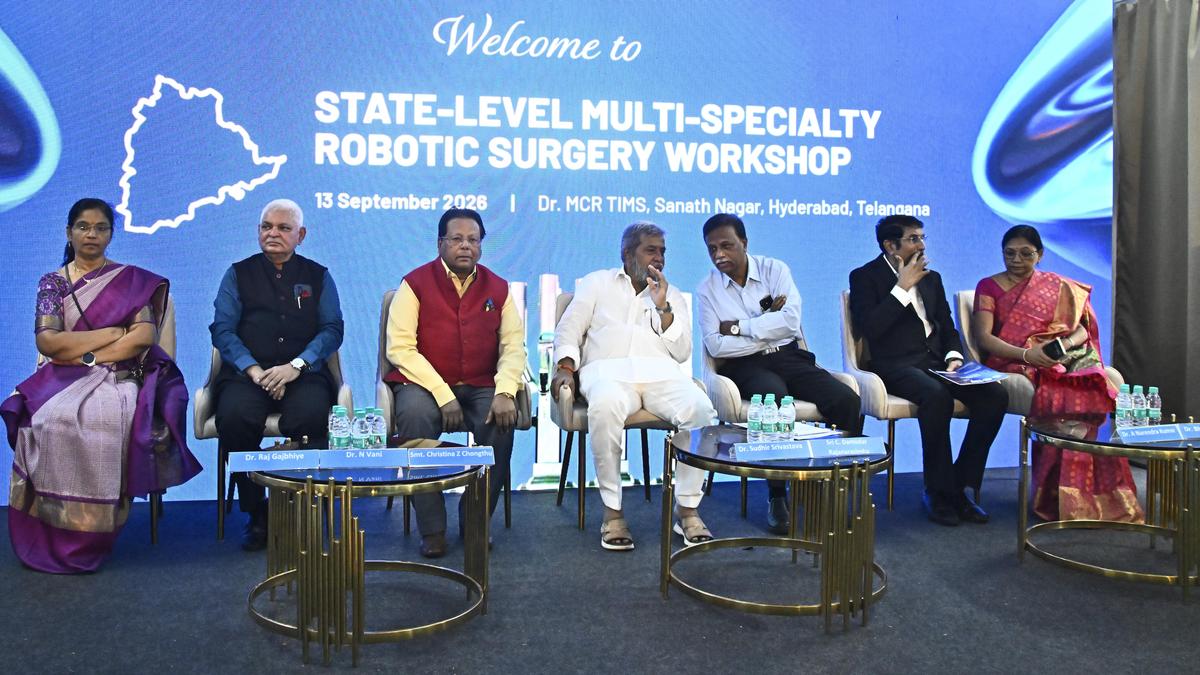
Telangana is considering making six months of robotic surgery training compulsory for postgraduate medical students, with the aim of creating a skilled workforce to expand advanced robotic procedures across government hospitals. Health Minister C. Damodar Raja Narasimha expressed the government's intention to seek permission from the National Medical Commission (NMC) to incorporate this training into the three-year postgraduate program.
Speaking at a workshop in Hyderabad, the Minister emphasized that this training would be crucial for the state's plans to grow robotic surgery, either through a hub-and-spoke model or dedicated facilities in districts. Telangana has already been working on training surgeons in robotic procedures, with 35 medical colleges and 47 hospitals (excluding specialty hospitals) sending their surgeons to two government institutions - Nizam’s Institute of Medical Sciences (NIMS) and MNJ Cancer Institute - for training.
Dr. Sudhir Srivastava, a robotic surgery expert, highlighted that this model could bring specialist expertise closer to patients, eliminating the need for them to travel to major cities. This could alleviate the financial and emotional strain on families from rural and smaller communities who must relocate for specialized treatment.
Former NIMS Director Dr N. Bheerappa mentioned that NIMS had conducted nearly 1,000 robotic surgeries and that the government was covering the costs for eligible patients through the Rajiv Aarogyasri health scheme. Dr N. Vani, Director of Medical Education, stressed that while government colleges must provide patient care, they also have a responsibility to train future doctors in new technologies.
However, she stressed that young surgeons should not rely solely on technology but must combine it with clinical judgment, human touch, and compassion. The workshop also cautioned that expanding robotic surgery involves more than just installing machines. Dr Raj Gajbhiye, Dean of Government Medical College Nagpur, highlighted that for government hospitals, the key objective should be equitable access to advanced surgical technology, which requires appropriate infrastructure, trained faculty, structured protocols, multidisciplinary teamwork, and institutional support.
Written by urgent.news from The Hindu's reporting — not their text. Machine-written — may contain errors; check the original before relying on it.