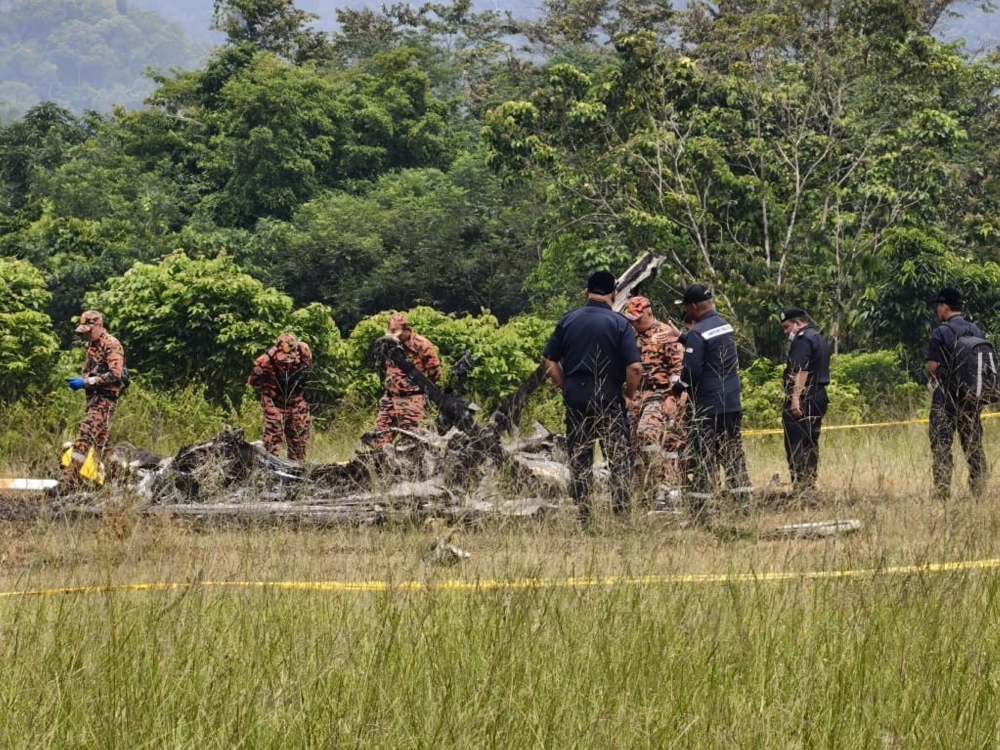
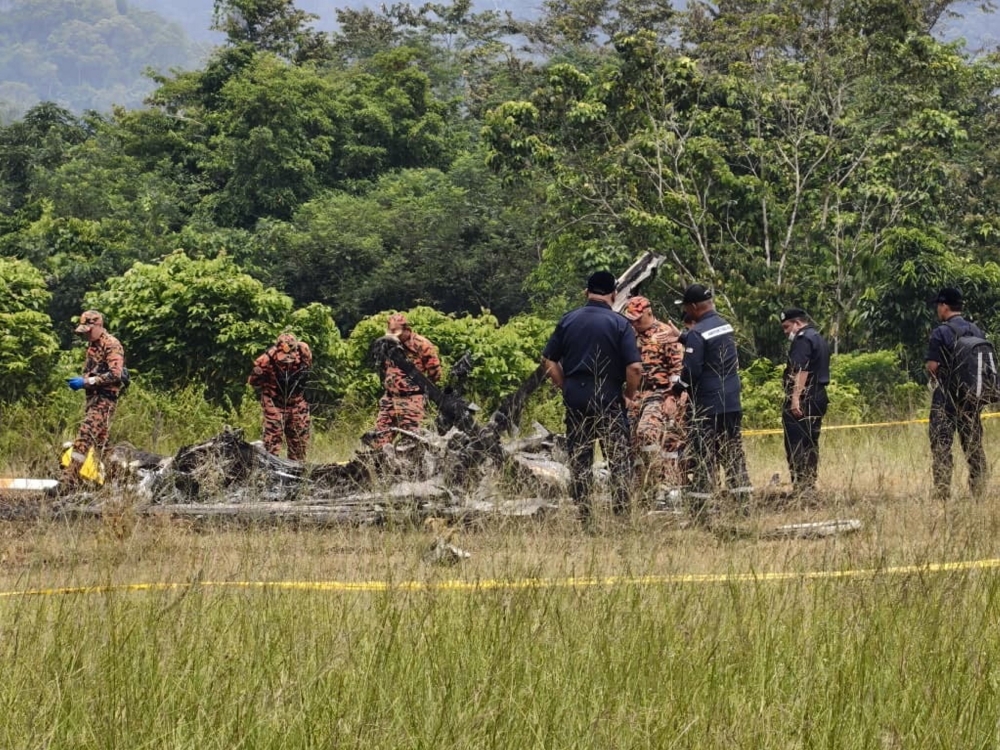
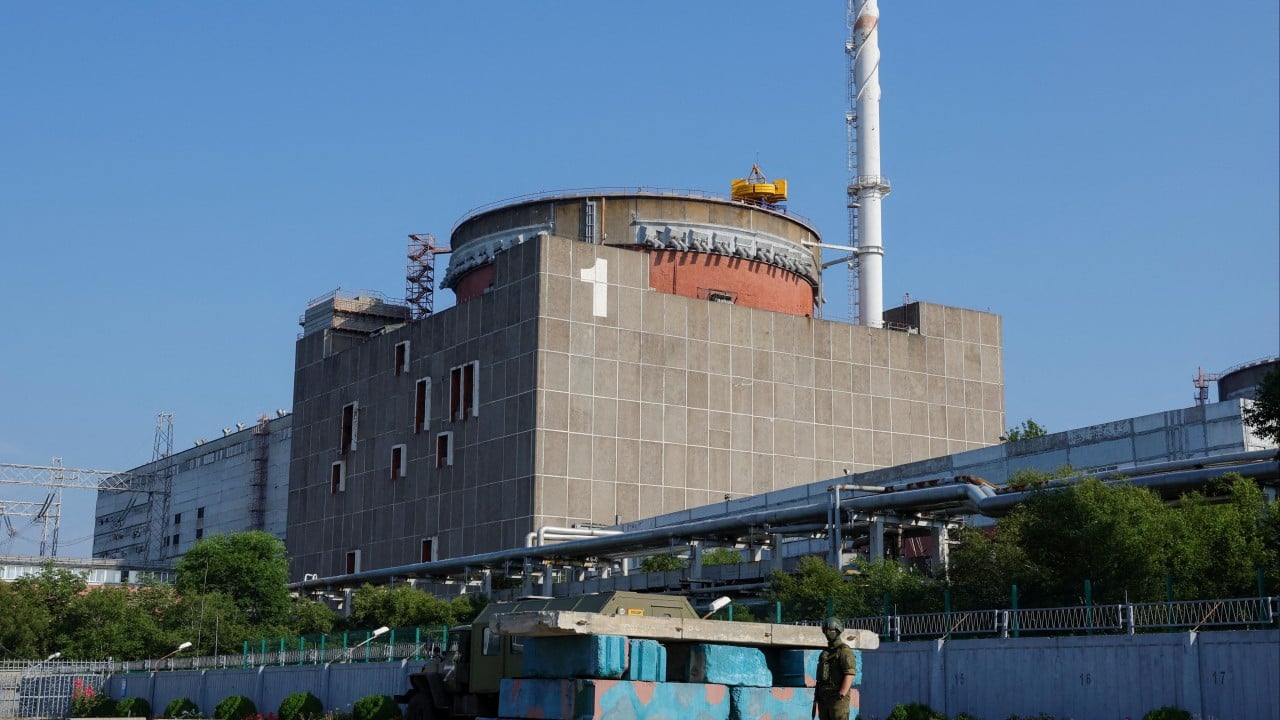
Russia says Ukraine attacked trucks supplying fuel to Zaporizhzhia nuclear plant
The head of Russia’s state nuclear energy corporation accused Ukraine on Sunday of attacking diesel fuel trucks, killing two Russian servicemen and deliberately jeopardising safety at the Russian-held Zaporizhzhia nuclear power plant in Ukraine. Alexei Likhachev said the attack took place on Friday and also resulted in injuries to other Russian soldiers. The Zaporizhzhia plant, Europe’s largest…
Russia is methodically upgrading its attack drones across multiple fronts. This month, it plans to equip its drones with 20-element anti-jam antennas, replacing the 16-element versions that Ukrainian electronic warfare has struggled to counteract. Serhii Flash Beskrestnov, President Volodymyr Zelenskyy's defense-technology adviser, revealed this development.
Ukrainian experts have repeatedly noted Russia's knack for scaling and upgrading weapons. Ukrainian Volunteer Army spokesperson Serhii Bratchuk described Russia's approach as "credit to the Russians. They know how to scale." Military analyst Oleksandr Kovalenko of the Information Resistance group further argued that Russia plans terror campaigns years in advance, adapting almost monthly - a foresight Ukraine has struggled to match.
The antenna upgrade is not the end, as VNIIR Progress, the main supplier, plans to produce 24-element arrays by 2027. China is also ramping up efforts, disguising multi-element antennas as farm equipment and shipping them to Russia.
Not every drone reaching Kyiv is piloted by a live operator. Many run on satellite navigation, with inertial navigation providing a backup when GPS signals drop. Recently, Russia upgraded its drones' inertial navigation as well. This distinction changes how Ukraine can combat these drones. While a remotely controlled drone can be jammed by disrupting its communication link, an autonomous drone flying on its own is harder to defeat. Ukraine must instead jam the GPS or GLONASS signals the drone relies on for navigation.
The same principle applies to Russia's newer cruise missiles, like the Banderol and Dan-T. These weapons, which Russia is banking on, rely solely on satellite and inertial navigation, lacking an operator link. As a result, Ukrainian electronic warfare can disrupt these missiles' course, despite Russia's efforts to harden the navigation systems.
Written by urgent.news from Euromaidan Press's reporting — not their text. Machine-written — may contain errors; check the original before relying on it.
This story
This is one outlet's version. Read the fullest account.
- Russia is working to modernize its weapons on every front. This month, its drones are expected to carry 20-element anti-jam antennas to outpace Ukraine’s jamming euromaidanpress.com
- As Europe weighs a peacekeeping force in Ukraine, Putin warns sending troops ‘means a war with Russia’ fortune.com
- General Staff: Russia has lost 1,506,900 troops in Ukraine since Feb. 24, 2022 kyivindependent.com
- Russia uses arrests and coercion to send more recruits to the front in Ukraine english.elpais.com
- Russia and Ukraine exchange deadly drone strikes dailytimes.com.pk
- Kushner says U.S. hopes to bring Ukraine and Russia into trilateral negotiations english.nv.ua
- Russia accuses Ukraine of jeopardising power plant safety rte.ie
- How Russia’s new drones are changing the air war ft.com