Russia imports record fuel from India as Ukraine strikes hit refineries
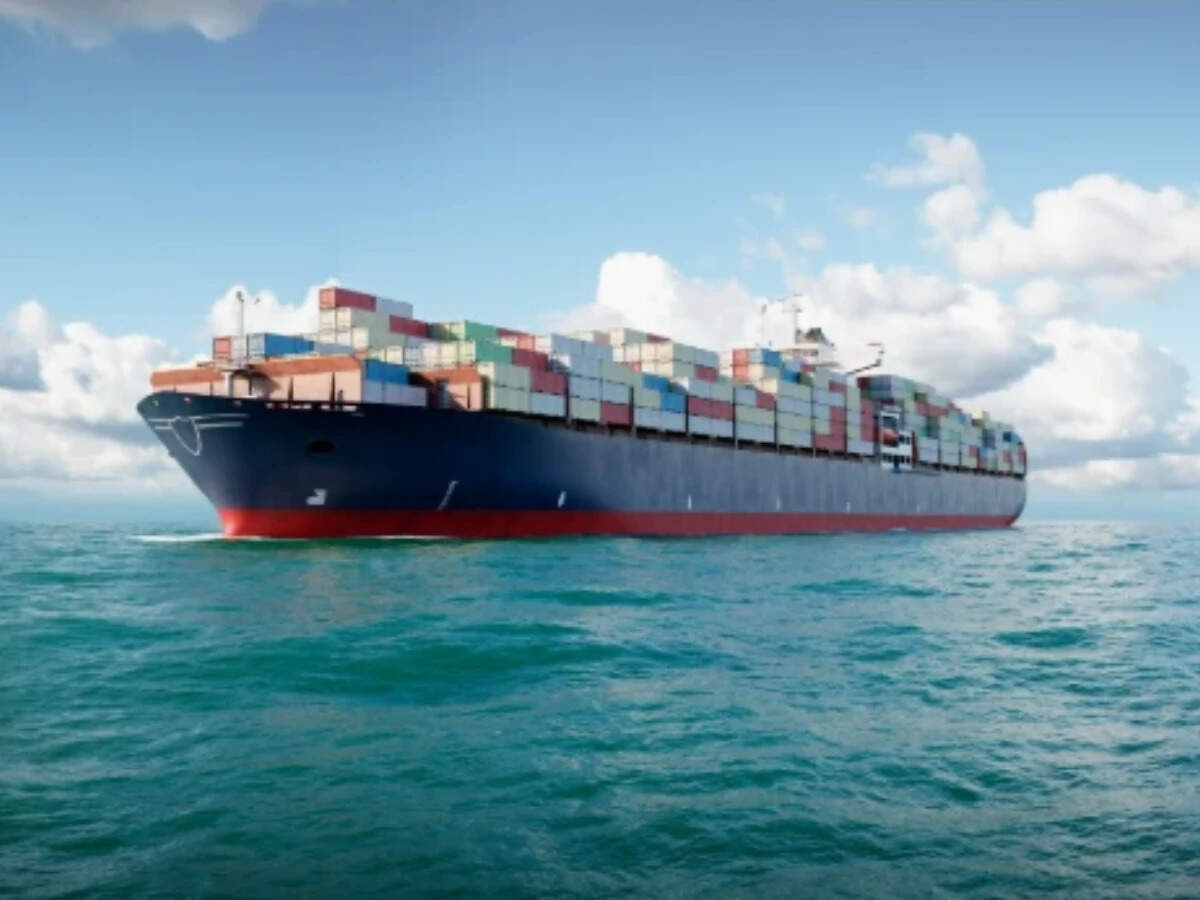
Russia imported record oil products from India in August. This surge occurred as Ukrainian drone strikes disrupted domestic refining capacity. India supplied seventy percent of Russia's oil product imports during this period. These shipments underscore the impact of sustained Ukrainian drone campaigns. Russia's fossil-fuel export revenues saw a decline in August.
The situation between India and China regarding the border dispute can be described as a Nash equilibrium, according to recent developments at the Eight Points of Outcomes and Consensus statement and the BRICS Summit. In simple terms, a Nash equilibrium is a state where neither party can improve their position by changing their strategy unilaterally.
This means that both India and China recognize that they cannot achieve a better outcome in the border dispute in the foreseeable future. While they may engage in occasional diplomatic and military sparring, these actions only slightly alter the Line of Actual Control. The border issue can only be resolved either through negotiation or through force, but neither side seems willing to resort to military action.
The two countries have been negotiating a border deal for over 45 years, with only the 2005 "Political Parameters and Guiding Principles for the Settlement of the India-China Boundary Question" agreement resulting in substantive concessions. The recent eight-point statement and the BRICS Summit meeting suggest that the negotiators should focus on achieving success in one area at a time, rather than attempting to settle everything at once.
However, it is unlikely that either India or China will be able to achieve their maximal objectives – India wanting to regain Aksai Chin and keep what it has elsewhere, while China aiming to take Arunachal Pradesh and retain the rest of its claims. The status quo on the border appears stable, with only rare attempts at dispute escalation.
However, two factors could potentially disturb this equilibrium: a change in the Dalai Lama's succession and a broader India-Pakistan conflict that draws China into the fray. If a successor Dalai Lama is appointed by Tibet, tensions could rise, potentially leading to a repeat of the 1962 conflict. Alternatively, if India and Pakistan engage in another conflict, China might become more directly involved, which could also threaten the current status quo.
Despite the overall détente with China, bringing benefits such as trade, visa cooperation, and water sharing, Indian policymakers should consider the strategic challenges arising from potential changes in Tibet and future India-Pakistan conflicts. The success of the current detente may depend on whether India can insulate its relations from these potential disturbances and build sufficient insulation to maintain stability.
Written by urgent.news from The Indian Express's reporting — not their text. Machine-written — may contain errors; check the original before relying on it.
This story
This is one outlet's version. Read the fullest account.
- India and China are at a Nash equilibrium. Will it hold? indianexpress.com
- China, Russia, India seek economic cooperation at BRICS freemalaysiatoday.com
- China, Russia, India seek economic cooperation at BRICS gulfnews.com
- India, China leaders vow to resolve border dispute mainichi.jp
- Bangladesh draws closer to China in ‘political chessboard’ to balance India ties scmp.com
- China, Russia, India seek economic cooperation at BRICS al-monitor.com
- China, Russia, India seek economic cooperation at BRICS thejakartapost.com
- Russia imports record fuel from India as Ukraine strikes hit refineries thehindubusinessline.com