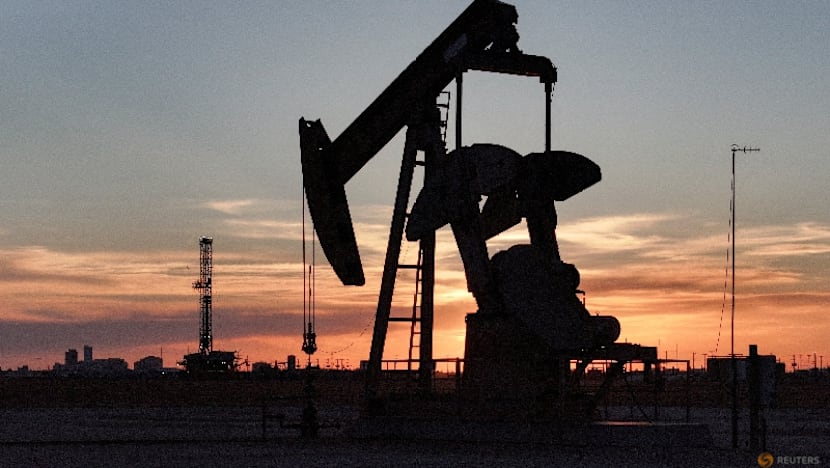
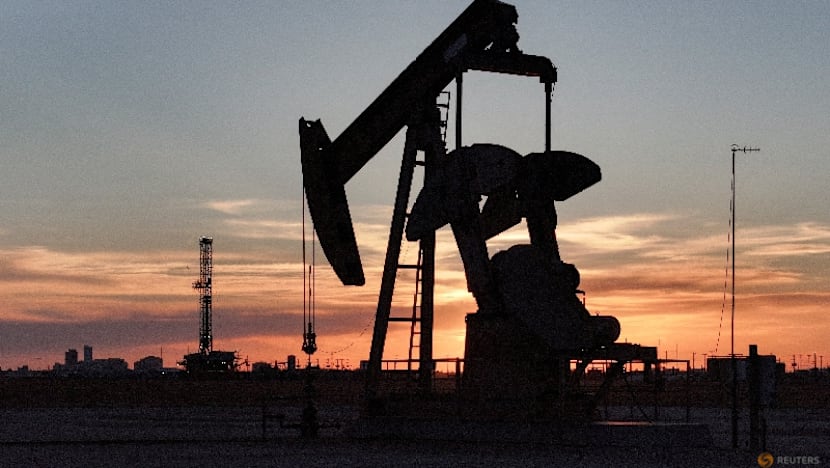
Oil prices jump more than US$3 after new strikes on Saudi, Strait of Hormuz
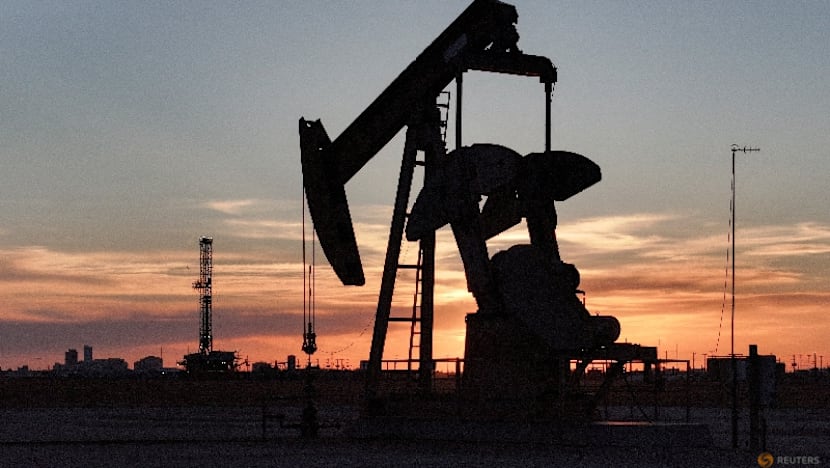
Oil prices experienced a slight decline on Monday following a strong weekly increase, but remained high as ongoing threats to shipping and a temporary halt of a major Saudi pipeline kept supply worries in focus. West Texas Intermediate crude was trading at $100.00 per barrel, down $2.43, or 2.37%, while Brent crude, the global benchmark, stood at $104.60, down $3.02, or 2.81%.
Murban crude declined $3.02, or 2.47%, to $119.50. Natural gas prices remained steady at $2.831, with only a minimal drop of 0.11%. These prices align with the previous Friday's settlements, with Brent closing at $104.61 and WTI at $100.05, both showing significant gains over the week after briefly surpassing $107 and $104, respectively.
The Strait of Hormuz remains the primary concern for traders as they consider potential diplomatic efforts to reopen the waterway against persistent military and maritime threats. The UK Maritime Trade Operations reported a projectile strike on a vessel in the Strait, though details are still scarce. Iran also claimed an Iranian commercial vessel was hit near Qeshm Island, resulting in one fatality and injuries.
In response, Saudi Arabia temporarily closed its East-West oil pipeline out of precaution following a drone attack, which Riyadh and Baghdad blamed on Iraq, where Iran-backed groups operate. This move has raised concerns about potential disruptions to both the main maritime chokepoint and alternative routes meant to circumvent Hormuz.
With these developments, the conflict's impact on oil and gas shipments, crucial for refiners, shipping firms, and importing nations, has become increasingly precarious. Despite the decline in oil prices, natural gas prices remained relatively stable at $2.831, suggesting that traders were not yet pricing the latest maritime incidents as an immediate threat to gas supplies.
Oil markets are more directly impacted due to the heavy reliance on maritime routes for transporting crude through Hormuz. While alternative routes are currently handling around 10 million barrels of crude and oil products daily, preventing an immediate global supply shock, the situation remains volatile, as markets remain susceptible to further attacks and attacks on energy infrastructure.
The near-term trajectory of oil prices will hinge on three factors: the outcome of talks in Oman to establish enforceable shipping arrangements, whether attacks persist against vessels and energy infrastructure, and whether Iran relaxes or intensifies restrictions around Hormuz. A viable agreement could potentially lower prices by alleviating the risk premium, but a failed diplomatic effort, additional vessel attacks, or further damage to alternative oil routes could push Brent back towards its recent peaks or even higher.
For consumers and energy-importing economies, Monday's price dip offers little reassurance, as both Brent and WTI are still above $100 a barrel, indicating that the Hormuz crisis is perceived as an ongoing threat to global energy security.
Written by urgent.news from Gulf News's reporting — not their text. Machine-written — may contain errors; check the original before relying on it.
This story
This is one outlet's version. Read the fullest account.
- Oil prices ease but remain above $100 as Hormuz risks persist gulfnews.com
- Iranian ship attacked near Strait of Hormuz: Iranian state media thehill.com
- Omani proposal for Strait of Hormuz includes voluntary payments for safe passage english.ajel.sa
- Report of attack on Strait of Hormuz shipping fuels oil supply risks sabcnews.com
- Oil prices jump more than US$3 after new strikes on Saudi, Strait of Hormuz channelnewsasia.com