Nepal flood survivor says rescue efforts must continue
For 10 days, Nepali hydropower worker Sanjay Sah survived in darkness inside a flooded tunnel, drinking muddy water and losing all sense of time as he desperately prayed for rescue. When a disaster response team finally pulled him to safety on September 4, Sah’s first question showed how deeply the ordeal had disoriented him. “When I was rescued I first asked, how many days has it been?” Sah,…
For ten days, Nepali hydropower worker Sanjay Sah endured darkness inside a submerged tunnel, subsisting on filthy water and losing all sense of time as he fervently prayed for rescue. When a rescue team finally extricated him on September 4, Sah’s first inquiry revealed the disorientation wrought by the ordeal. “When I was rescued, I first asked, how many days has it been?”
Sah, aged 30, inquired during an interview en route home in Saptari district. Upon being told it had been ten days, Sah expressed surprise, believing the duration to be merely a few. Among numerous workers ensnared by the catastrophic August 26 flood triggered by a glacial mountain collapse on Nepal's China border, Sah’s miraculous survival stood out among the at least 1,429 fatalities and over 5,640 missing, mostly in Nepal.
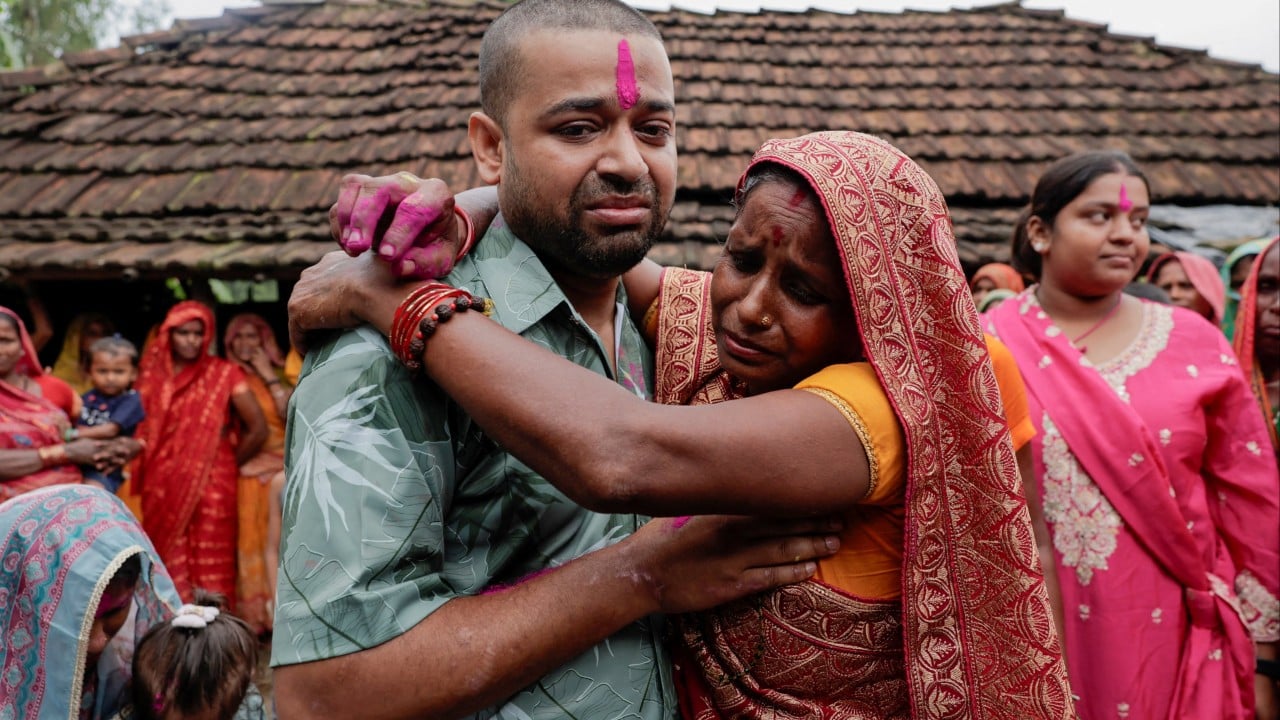
Upon his return, jubilant family, friends, and neighbors greeted Sah with garlands, a cake, and colorful decorations. His mother, Kapur Devi Sah, embraced him tightly in tears, later washing his feet in an auspicious ceremony. Struggling to refrain from tears, Sah recalled the flood’s sudden onset, describing how tsunami-like waves several meters tall struck without warning.
Although warned of approaching floodwaters, workers lacked sufficient time to evacuate. “We did receive information to stay alert, that a big flood was coming. We tried our best to be alert and rescue and evacuate our friends,” Sah recounted. Alas, the tunnel was inundated within minutes by the relentless waters. The scale of the flood was unprecedented, with authorities attributing it to the devastating impact of global warming on Nepal’s Himalayan mountains.
“I survived because of my deep belief and confidence,” Sah attributed his survival to his unwavering Hindu faith and the divine energy he received. Despite the lack of clean water, Sah managed to survive, drinking whatever muddy water he could find. The isolation and darkness were overwhelming, but another trapped worker, Kabir Maharjan, 45, provided solace by offering a lifeline through their shared voice.
Eventually, after days of excavation, rescue teams unearthed the trapped men and delivered them to safety. Sah’s wife, Lakshmi Kumari Sah, expressed unwavering hope, crediting God for their survival. While elated, Sah also felt a profound sadness, acknowledging the loss of his coworkers. As search efforts persist, Sah implores authorities to maintain their relentless pursuit.
He fervently hopes that the government continues its search and rescue operations, for there may still be survivors among the bodies, allowing their families to pay their final respects.
Written by urgent.news from South China Morning Post's reporting — not their text. Machine-written — may contain errors; check the original before relying on it.