Kosmetik: Nivea-Chef warnt vor zu viel Regulierung in Europa
Nach Einschätzung des Beiersdorf-Managers Warnery setzen EU-Vorgaben Unternehmen zu stark unter Druck. Die europäische Kosmetikindustrie schaffe Arbeitsplätze und müsse entlastet werden.
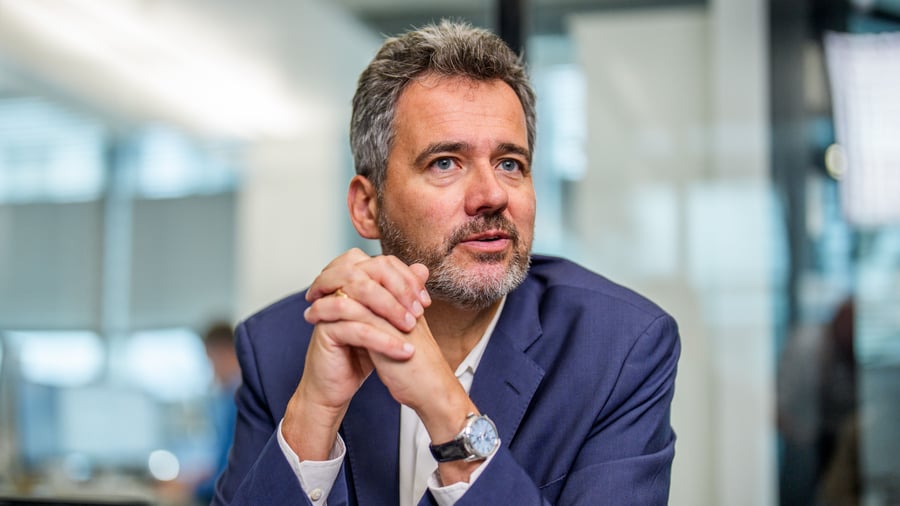
Vincent Warnery, the CEO of Beiersdorf, the Dax company behind the Nivea brand, has warned that excessive regulation in the European cosmetics industry could jeopardize its competitive edge on the global stage. Speaking to Deutsche Presse-Agentur, the Düsseldorf-based executive stated that while the sector creates jobs and wealth, it does not want to become the next automotive industry.
Warnery appealed to the EU, cautioning against overburdening the industry with regulatory burdens. He warned that European companies could lose competitiveness as competitors from third countries would operate under fewer regulations. He noted that Europe should be cautious, especially when considering the lack of many regulations in the United States, China, and South Korea.
Warnery emphasized that European skin care products already meet the strictest quality standards. However, they are being urged to remove certain ingredients from their formulations, even when those ingredients pose no risk under normal usage. This, he said, is a significant challenge. Another irritation for Warnery is the revised EU Municipal Waste Directive, which aims to hold manufacturers of cosmetics and pharmaceutical products financially accountable.
He criticized this, arguing that companies like Beiersdorf should pay hefty sums for only a small fraction of the pollution. Warnery has been leading Beiersdorf since May 2021, having previously worked for global beauty industry leader L'Oréal in France. Other major players in the European cosmetics industry include Unilever (UK), LVMH (France), and Henkel (Germany).
Since Warnery took over, Beiersdorf has seen strong growth, but in the first half of the year, it reported a revenue decline, linked to weak numbers from its flagship Nivea brand.
Written by urgent.news from Handelsblatt's reporting — not their text. Machine-written — may contain errors; check the original before relying on it.