Israel’s election polls are stable, but the country is not
As Israel concludes Rosh Hashanah, when Judaism teaches that God determines humanity’s fate for the coming year, many are praying for peace and calm after a long period of regional conflict. The country is on high alert for an Iranian attack, amid reports that Iran has started rebuilding nuclear and ballistic missile facilities. All this comes as Israel deals with unprecedented international…
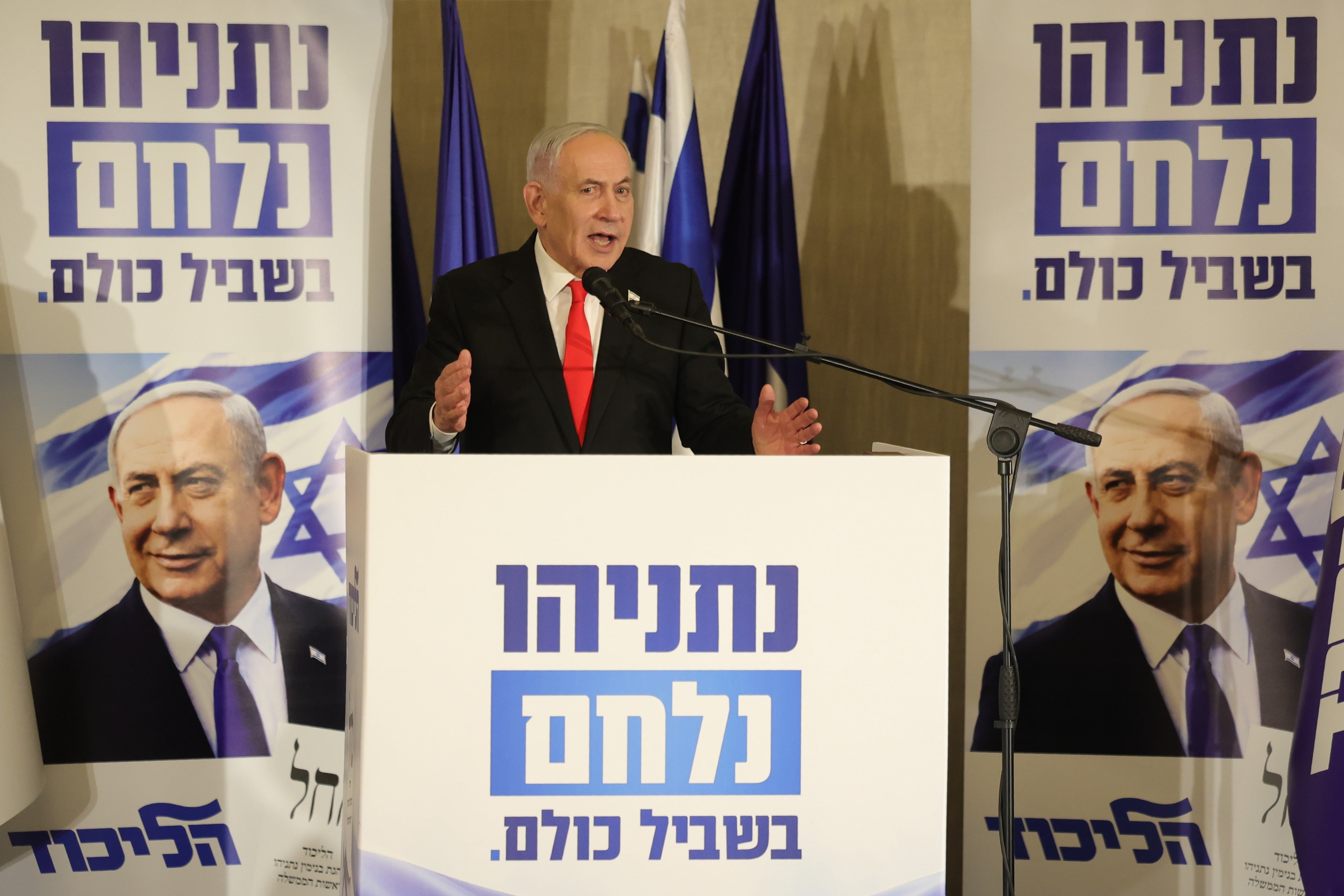
As Israel concludes the Jewish holiday of Rosh Hashanah, a time when the nation turns to prayer for God's guidance and intervention, many are now looking to the upcoming October elections with a mix of uncertainty and concern. The country finds itself on high alert, fearing a potential Iranian attack, following reports that Iran has begun rebuilding its nuclear and ballistic missile capabilities.
This heightened state of alert comes amid international isolation for Israel, exemplified by the UK and 11 other Western nations imposing sanctions on illegal settlements in the occupied West Bank.
Amidst these geopolitical tensions, the Israeli election season has entered a critical phase. Both the ruling coalition led by Prime Minister Benjamin Netanyahu and the opposition parties have submitted their final lists of candidates. The intense political climate has seen some parties openly clash over tactics and egos, raising fears of foul play and legitimacy concerns among voters.
Surveys conducted by the Israel Democracy Institute reveal a troubling trend. A significant majority of Jewish Israelis – 59% in the most recent survey – express a high likelihood of interference from within the electoral process, with fears that the losing side might refuse to accept the results. These concerns are compounded by an earlier IDI survey indicating that 72% of Israelis believe their elections are at risk of integrity.
Despite these challenges, Netanyahu remains a formidable figure in Israeli politics, known for his resilience and ability to cling to power. Israeli pollster Dahlia Scheindlin, however, notes that the polling landscape is remarkably stable, with neither Netanyahu nor the opposition parties showing any significant movement in their support levels.
This stability, coupled with the possibility of a caretaker government following the October elections, paints a picture of a potential "endless election cycle" that could further frustrate Israelis.
Even if Netanyahu were to face defeat, the impact on the region is difficult to predict. Dr. Ali Al Awar, a researcher at Hebrew University, argues that a Netanyahu loss could provide hope to Palestinians in Gaza, potentially prompting international pressure for Israel to withdraw from the Gaza Strip and southern Lebanon. This scenario could also bring about changes in Israel's conduct in the West Bank and East Jerusalem, possibly leading to the protection of settlers.
While President Trump's support for Netanyahu might seem like a significant factor, Michael Hanna, director of the US programme at International Crisis Group, suggests that Trump's involvement may not be as decisive as it appears. Despite past interventions on Netanyahu's behalf, Hanna believes Trump's relationship with Netanyahu is complex and institutionalized, with little direct influence over the Israeli elections.
Written by urgent.news from The National UAE's reporting — not their text. Machine-written — may contain errors; check the original before relying on it.
Also reported by 1 other outlet
- Israel’s election polls are stable, but the country is not thenationalnews.com