Iran war reshapes Brics ties but also exposes divisions
Brics members agree they need a new global order but it's harder to answer what should replace it and how to get there.
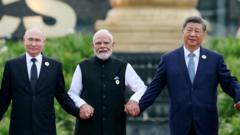
A gathering of world leaders in Delhi over the weekend highlighted the shifting dynamics of Brics ties while also exposing internal divisions within the group. Indian Prime Minister Narendra Modi emphasized the need for the alliance to become "rule-shapers" rather than "rule-takers," alongside leaders from China, Russia, Iran, Abu Dhabi and South Africa.
This diverse collection of nations is hardly natural allies, with histories of border disputes and military confrontations. Despite their differences, they gathered to reassess their relationships in the wake of the Iran war.
Modi sought to portray Brics as a counterweight to Western influence, but diplomats noted the reluctance of some members to fully embrace this narrative. The summit's primary accomplishment was the adoption of a joint declaration, though the text avoided taking sides on pressing issues. While it called for maximum restraint in the Middle East war and condemned civilian infrastructure attacks, it refrained from assigning blame.
No specific mention was made of Russia's war in Ukraine, signaling a divergence from previous Brics statements.
On trade, the declaration expressed concerns over rising tariffs and unilateral sanctions but avoided naming the United States. This approach likely averted potential anger from Washington, which has previously criticized Brics for proposals such as linking central-bank digital currencies. The summit also offered an opportunity for high-level meetings between adversaries, including a face-to-face discussion between Iran's President Pezeshkian and Abu Dhabi's Crown Prince.
Iran utilized the occasion to seek economic ties with Brics members, particularly Malaysia, India, and Ethiopia.
China's President Xi Jinping, making his first visit to Delhi in seven years, had a cordial meeting with Modi, though the meeting was less formal than usual. While relations between China and India have been strained, especially following the 2020 border clash, there are signs of easing tensions. The leaders agreed to strengthen business ties and address obstacles to trade.
Overall, the summit demonstrated Brics' potential to provide a platform for nations to engage and maneuver outside Western-dominated institutions, but the path forward in shaping a new global order remains uncertain.
Written by urgent.news from MyJoyOnline Ghana's reporting — not their text. Machine-written — may contain errors; check the original before relying on it.
This story
This is one outlet's version. Read the fullest account.
- Malaysia and Iran seek broader trade and investment ties across energy, palm oil, halal economy and technology theindependent.sg
- UAE and Iran leaders meet at the BRICS summit for the first time since the war euronews.com
- Iran wants to ‘turn the page’ with UAE, says Pezeshkian day after meeting Crown Prince during BRICS Summit hindustantimes.com
- Iran war reshapes Brics ties but also exposes divisions bbc.co.uk
- The Iran war reveals the limits of BRICS aljazeera.com
- Iran war reshapes Brics ties but also exposes divisions myjoyonline.com
- Brics diplomacy: Iran president says Tehran, UAE want to 'turn the page' on war timesofindia.indiatimes.com
- On BRICS sidelines, Mirwaiz meets Iran’s Araghchi, writes to Pezeshkian indianexpress.com