How vulnerable are European stocks to natural gas price shocks?
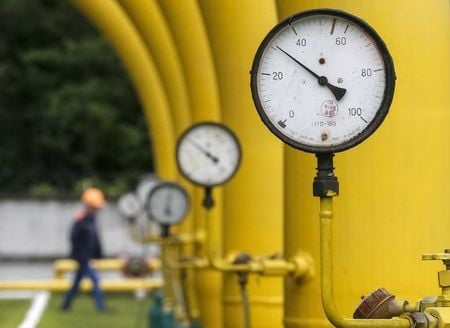
European stocks face mounting risks from surging natural gas prices, according to Citi strategists. Gas prices have risen above €80 per megawatt-hour, nearing their peak since late 2022 due to heightened geopolitical tensions. Historically, sectors like autos, travel, chemicals, and banks have underperformed during sharp increases in gas prices. However, this situation differs from the 2022 crisis, when Russia's loss of gas supplies caused prices to spike and caused concerns over shortages and industrial output.
The region's economy and equity market now appear less susceptible to rising gas costs. Gas storage levels are higher than many investors might believe, offering a larger buffer against future supply disruptions. Commodity strategists predict that gas prices will dip back towards the mid-€50s per megawatt-hour by year-end, barring scenarios like the reopening of the Strait of Hormuz or adverse winter weather conditions.
While a sustained rise in gas prices could heighten risks to Europe's economic and corporate earnings trends, particularly for energy-intensive businesses or those reliant on consumer demand, the broader outlook for European equities remains optimistic through mid-2027. This projection is based on strong earnings-per-share growth. Even with the recent surge in gas prices, the outlook remains constructive, though further hikes could strain cyclical sectors and undermine the improving macroeconomic landscape.
Written by urgent.news from Investing.com's reporting — not their text. Machine-written — may contain errors; check the original before relying on it.