How Ghana’s Gen Z is rewriting sustainability through style
For some young Ghanaians, climate action is beginning to show up not only in what they say about the environment, but in how they dress, what they create and the culture they choose to build.
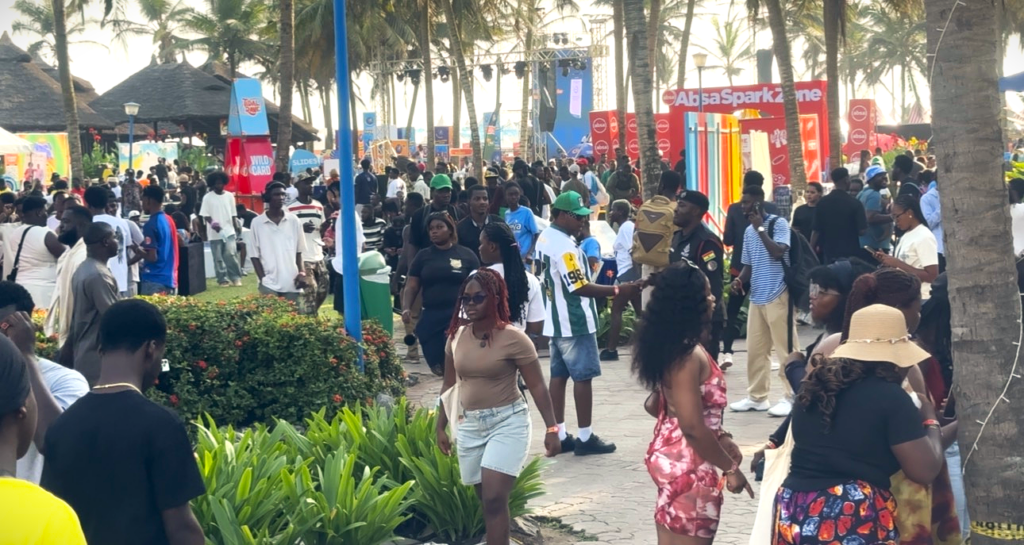
On November 15, 2025, the Tidal Rave Festival in Accra’s La Beach attracted a youthful crowd seeking music, fashion, and an infectious atmosphere. While revelers danced and enjoyed the vibrant night, a more profound transformation was taking place beneath the surface. Young people were unknowingly aligning their lifestyle choices with a sustainable future, turning the festival into a powerful platform for change.
At the festival, sustainability was not a lecture or a distant debate, but a tangible reality. Everywhere they turned, festival-goers encountered second-hand clothing, customized denim, and thrift fashion. Creative efforts were evident, with individuals turning beach waste into art, demonstrating the potential for sustainable living to become an integral part of everyday life.
One such individual was Ivy, a nuclear energy enthusiast, who had arrived at the festival ready to party. Ivy's outfit featured second-hand denim shorts beneath a brown dress, representing a conscious decision to make an environmental statement. "I'm very particular about the things I wear," she stated, adding that fast fashion was a significant contributor to environmental destruction.
"If I can find something that I can wear after someone has worn it and it’s still in good shape and it still makes fashion sense, I’m definitely going to do it because it helps keep the environment safe."
The fashion industry's impact on the environment is alarming, accounting for 8–10% of global greenhouse gas emissions. UNEP data reveals that this exceeds emissions from international flights and maritime shipping combined, with projections indicating a potential increase of over 50% by 2030 if current trends persist. Ivy's choice of second-hand clothing serves as a reminder that personal responsibility extends beyond the present generation.
She stresses the importance of leaving behind an environment worth living in for future generations.
For dancer Melisa, thrift fashion was less about climate activism and more about creative freedom. She wore second-hand clothing alongside custom-designed denim trousers that she had transformed herself. "I just wanted to be creative today," she explained, emphasizing the joy she found in upcycling and redrawing her garments. For Melisa, the act of creating something new out of old materials not only conveys her artistic spirit but also embodies the potential for creativity to play a pivotal role in the sustainability movement.
Written by urgent.news from MyJoyOnline Ghana's reporting — not their text. Machine-written — may contain errors; check the original before relying on it.
This story
This is one outlet's version. Read the fullest account.
- How Ghana’s Gen Zs are rewriting sustainability through style myjoyonline.com