How DGCA makes sure high-flying pilots don't fly high
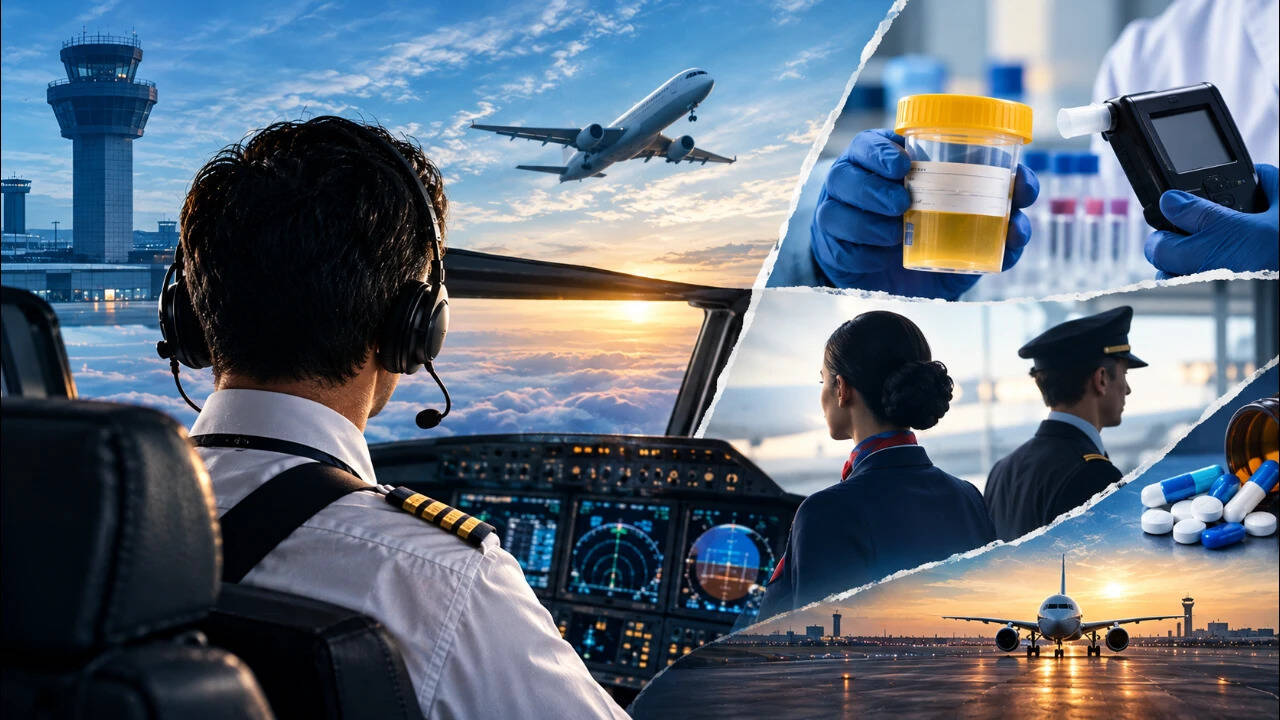
The Directorate General of Civil Aviation (DGCA) maintains stringent measures to ensure pilots remain fit to fly, even as the threat of psychoactive substance misuse grows. On August 4, an Air India A320 flying from Phuket to Delhi experienced a sudden altitude fluctuation, resulting in injuries to 24 passengers and crew members.
Preliminary reports indicated loss of all three hydraulic systems and autopilot disengagement, though the aircraft landed safely. Following such incidents, crew members undergo psychological screening to identify potential issues that could compromise flight safety.
The co-pilot tested negative twice, while the pilot-in-command's report raised concerns, labeling it as 'non-negative' in headline reports. Aviation investigators must establish the facts and prevent recurrence without assigning blame. The report did not establish substance use as the cause of the hydraulic failure but highlighted a serious concern about psychoactive substances, recommending action from the DGCA.
The DGCA, the apex regulatory body overseeing civil aviation safety, has long mandated alcohol testing for crew members. The rule, part of Rule 24 of the Aircraft Rules, 1937, requires crew members to abstain from alcohol 12 hours before a flight, with revisions in 2023 addressing medications containing alcohol. Scheduled operators subject crew to pre-flight breathalyser tests at the first departure airport, while post-flight tests are required for flights originating outside India.
However, psychoactive substance testing is relatively new, introduced in 2019 based on a Ministry of Social Justice and Empowerment report. The DGCA estimates that 2.8% of Indians used cannabis in the previous year and 2.1% used opioids. As these numbers rise, the risk psychoactive substances pose to aviation safety necessitates robust testing protocols.
Testing for psychoactive substances follows pre-employment screenings, random checks, and follow-ups in previously confirmed cases. Random testing covers at least 10% of an organization's employees annually at specified airports. The testing process involves dividing urine samples into A and B portions, with initial screenings conducted under controlled conditions. A positive screening triggers a confirmatory test at a DGCA-authorised laboratory, maintaining the chain of custody.
Positive confirmatory results lead to removal from safety-sensitive duties until de-addiction and rehabilitation measures, guided by a psychiatrist and the organization's chief medical officer, have been completed. A second confirmed positive result results in licence cancellation, balancing the need for safety with a fair process for those accused of substance misuse.
Written by urgent.news from Times of India's reporting — not their text. Machine-written — may contain errors; check the original before relying on it.