Colombian Journalists Denounce Alleged Government Censorship
The government of Abelardo de la Espriella is facing its first allegations of alleged censorship against journalists. In just five weeks, the departures of Camila Zuluaga and Ana Cristina Restrepo from Blu Radio and the unexpected termination of RCN’s relationship with cartoonist Vladdo have raised concerns about the new administration’s relationship with the media. The […]
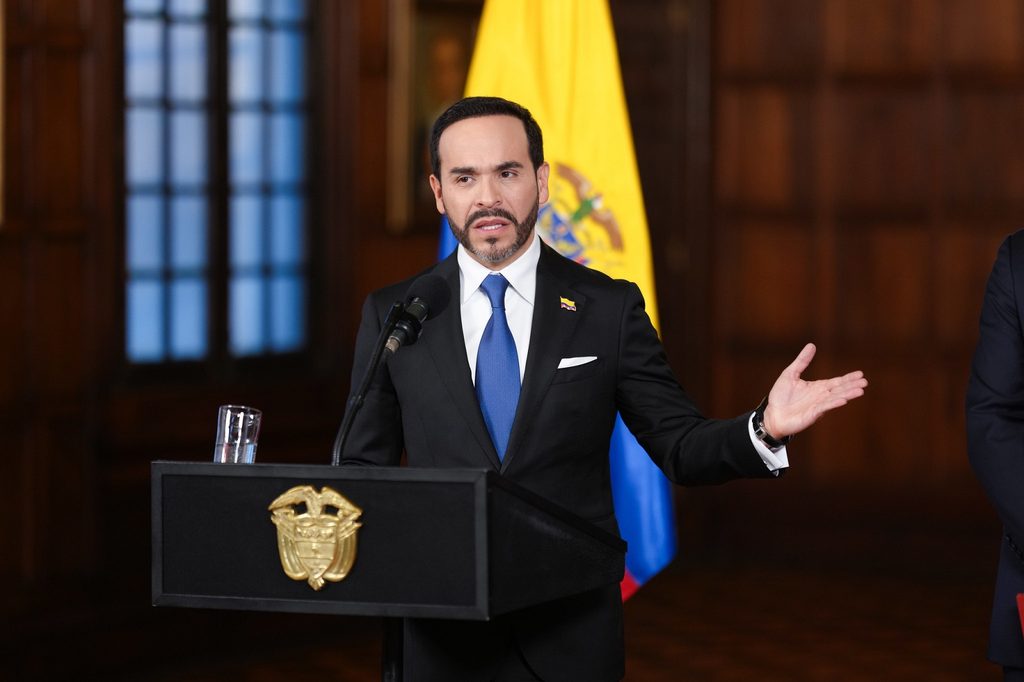
Colombian journalists have accused the administration of Abelardo de la Espriella of alleged censorship. Three recent cases have raised concerns about the new government's relationship with the media.
First, on August 31, Blu Radio abruptly canceled the popular program "Mañanas Blu 10:30," which had been hosted by Camila Zuluaga for years and co-hosted by Ana Cristina Restrepo. The official explanation cited economic and audience-related reasons. However, Restrepo believes there was pressure to remove the program from airwaves, arguing that it made the government uncomfortable.
She pointed out that ECAR studies, which measure radio ratings, favored the program. Restrepo also noted that the journalists were not provided with any data to support the economic justification for the cancellation.
A week later, RCN Televisión terminated its contract with cartoonist Vladdo. The reason given was administrative, but Vladdo published a cartoon depicting de la Espriella surrounded by bags of bodies. The image referred to an incident where the president was photographed walking among bodies covered with white sheets, an event currently under judicial investigation. While there is no direct confirmation that the cartoon led to Vladdo's departure, the timing has fueled suspicions of political pressure.
On September 9, the Foundation for Press Freedom (FLIP) raised concerns about the government's directive regarding media interactions. The guidelines require public officials to obtain prior authorization from the presidency for interviews or public statements, potentially limiting journalists' access to information. FLIP also questioned the criteria used to differentiate between "friendly" and critical media outlets, warning that such distinctions could hinder critical journalism.
The organization called for real and verifiable guarantees to protect journalistic freedom and an end to any pressure on media to censor or exclude critical voices.
Written by urgent.news from Colombia One's reporting — not their text. Machine-written — may contain errors; check the original before relying on it.